2026/02/20 更新

所属以外の情報はresearchmapへの登録情報を転載しています。

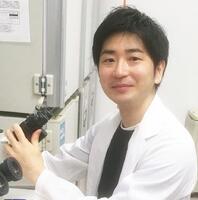
写真a

アキヤマ トモヒコ
秋山 智彦
Tomohiko Akiyama
所属
医学研究科 医科学専攻 分子生物学 助教
医学部 医学科
職名
助教
プロフィール

着床前初期胚および幹細胞を対象として、転写制御およびクロマチン構造の観点から細胞運命決定機構の解明に取り組んでいる。特に、転写因子、エンハンサー、エピジェネティック因子による遺伝子発現制御機構や、性差形成に関わる分子基盤の解析を中心に研究を展開してきた。近年は、分子凝集体や液-液相分離に着目し、初期発生過程における転写制御の物性基盤の解明にも取り組んでいる。ライブイメージング、ゲノム編集、微量オミクス解析などを統合したアプローチにより、発生制御機構の包括的理解を目指している。

外部リンク

学位

  • 博士(生命科学) ( 東京大学 )

研究キーワード

  • 転写因子

  • エピジェネティクス

  • 性差形成

  • 着床前初期発生

  • 反復配列

  • 分化制御

  • エンハンサー制御

  • 幹細胞

  • 分子凝集体(LLPS)

  • ZGA

  • 全能性

  • 転写制御

  • Mediator複合体

研究分野

  • ライフサイエンス / ゲノム生物学

  • ライフサイエンス / 発生生物学

  • ライフサイエンス / 分子生物学

学歴

  • 東京大学   大学院新領域創成科学研究科   博士課程

    2005年4月 - 2008年3月

      詳細を見る

  • 東京大学   大学院新領域創成科学研究科   修士課程

    2003年4月 - 2005年3月

      詳細を見る

  • 早稲田大学   理工学部

    1999年4月 - 2003年3月

      詳細を見る

経歴

  • 横浜市立大学   医学部医学科 分子生物学

    2022年4月 - 現在

      詳細を見る

  • 慶應義塾大学   医学部 坂口光洋記念講座   講師

    2020年4月 - 2022年3月

      詳細を見る

  • 慶應義塾大学   システム医学講座   助教

    2018年7月 - 2020年3月

      詳細を見る

  • 慶應義塾大学   システム医学講座   特任助教

    2013年10月 - 2018年6月

      詳細を見る

  • National Institute on Aging, National Institutes of Health, USA   日本学術振興会海外特別研究員

    2011年10月 - 2013年9月

      詳細を見る

  • 東京大学   特任研究員

    2008年4月 - 2011年9月

      詳細を見る

  • 日本学術振興会   特別研究員(DC1)

    2005年4月 - 2008年3月

      詳細を見る

▼全件表示

所属学協会

論文

  • Functional redundancy between UTY and UTX in regulating the localization of transcription factors involved in pluripotency

    Tomohiko Akiyama, Toshiya Nakahara, Saeko Sato, Kei-ichiro Ishiguro, Masashi Yukawa, Miu Yamamoto, Hidehisa Takahashi, Minoru S H Ko

    bioRxiv   2025年7月

     詳細を見る

    担当区分:筆頭著者, 責任著者   出版者・発行元:openRxiv  

    Abstract

    The Y chromosome harbors few protein-coding genes, and their roles in early human development remain largely unclear. Here, we demonstrate that UTY, a Y-linked homolog of the histone demethylase UTX, plays a critical, demethylase-independent role in maintaining pluripotency in human embryonic stem cells (hESCs). Despite its low expression and weak enzymatic activity, UTY co-occupies active cis-regulatory elements with UTX and promotes the transcription of key pluripotency genes, including NODAL and LEFTY . Integrated genomic analyses of single and double knockout hESCs reveal that UTY and UTX function redundantly to maintain chromatin accessibility and ensure proper recruitment of core transcription factors such as OCT4 and SOX2. The combined loss of UTY and UTX disrupts transcription factor localization, induces widespread gene expression changes, and leads to a collapse of the pluripotent state, without detectable changes in H3K27 methylation. Instead, these defects are associated with impaired recruitment of ATP-dependent chromatin remodelers and reduced histone acetylation, suggesting a demethylase-independent mechanism. Our findings uncover an essential role for the evolutionarily conserved UTY in safeguarding enhancer function and transcription factor occupancy, highlighting Y-linked regulatory mechanisms that are critical for maintaining human pluripotency.

    DOI: 10.1101/2025.07.03.663017

    researchmap

  • Multi-omics analysis using antibody-based in situ biotinylation technique suggests the mechanism of Cajal body formation. 国際誌

    Keisuke Noguchi, Hidefumi Suzuki, Ryota Abe, Keiko Horiuchi, Rena Onoguchi-Mizutani, Nobuyoshi Akimitsu, Shintaro Ogawa, Tomohiko Akiyama, Yoko Ike, Yoko Ino, Yayoi Kimura, Akihide Ryo, Hiroshi Doi, Fumiaki Tanaka, Yutaka Suzuki, Atsushi Toyoda, Yuki Yamaguchi, Hidehisa Takahashi

    Cell reports   43 ( 9 )   114734 - 114734   2024年9月

     詳細を見る

    記述言語:英語   掲載種別:研究論文(学術雑誌)  

    Membrane-less subcellular compartments play important roles in various cellular functions. Although techniques exist to identify components of cellular bodies, a comprehensive method for analyzing both static and dynamic states has not been established. Here, we apply an antibody-based in situ biotinylation proximity-labeling technique to identify components of static and dynamic nuclear bodies. Using this approach, we comprehensively identify DNA, RNA, and protein components of Cajal bodies (CBs) and then clarify their interactome. By inhibiting transcription, we capture dynamic changes in CBs. Our analysis reveals that nascent small nuclear RNAs (snRNAs) transcribed in CBs contribute to CB formation by assembling RNA-binding proteins, including frontotemporal dementia-related proteins, RNA-binding motif proteins, and heterogeneous nuclear ribonucleoproteins.

    DOI: 10.1016/j.celrep.2024.114734

    PubMed

    researchmap

  • Chimera RNA transcribed from integrated HPV18 genome with adjacent host genomic region promotes oncogenic gene expression through condensate formation. 査読 国際誌

    Kazuki Furugori, Hidefumi Suzuki, Ryota Abe, Keiko Horiuchi, Tomohiko Akiyama, Tomonori Hirose, Atsushi Toyoda, Hidehisa Takahashi

    Genes to cells : devoted to molecular & cellular mechanisms   2024年5月

     詳細を見る

    記述言語:英語   掲載種別:研究論文(学術雑誌)  

    Most cervical cancers are caused by human papillomavirus (HPV) infection. In HeLa cells, the HPV18 viral genome is integrated at chromosome 8q24.21 and activates transcription of the proto-oncogene c-Myc. However, the mechanism of how the integrated HPV genome and its transcribed RNAs exhibit transcription activation function has not been fully elucidated. In this study, we found that HPV18 transcripts contain an enhancer RNA-like function to activate proximal genes including CCAT1-5L and c-Myc. We showed that the human genome-integrated HPV18 genes are activated by transcription coregulators including BRD4 and Mediator. The transcribed HPV18 RNAs form a liquid-like condensate at chromosome 8q24.21 locus, which in turn accumulates RNA polymerase II. Moreover, we focused on a relatively uncharacterized transcript from the upstream region of CCAT1, named URC. The URC RNA is transcribed as a chimera RNA with HPV18 and is composed of the 3'-untranslated region of the HPV18 transcript. We experimentally showed that the URC contributes to stabilization of HPV18 RNAs by supplying a polyadenylation site for the HPV18 transcript. Our findings suggest that integrated HPV18 at 8q24.21 locus produces HPV18-URC chimera RNA and promotes tumorigenesis through RNA-based condensate formation.

    DOI: 10.1111/gtc.13121

    PubMed

    researchmap

  • ZSCAN4-binding motif - TGCACAC is conserved and enriched in CA/TG microsatellites in both mouse and human genomes 査読

    Tomohiko Akiyama, Kei-ichiro Ishiguro, Nana Chikazawa, Shigeru B H Ko, Masashi Yukawa, Minoru S H Ko

    DNA Research   2023年12月

     詳細を見る

    担当区分:筆頭著者   掲載種別:研究論文(学術雑誌)   出版者・発行元:Oxford University Press (OUP)  

    Abstract

    The Zinc finger and SCAN domain containing 4 (ZSCAN4) protein, expressed transiently in pluripotent stem cells, gametes, and early embryos, extends telomeres, enhances genome stability, and improves karyotypes in mouse embryonic stem (mES) cells. To gain insights into the mechanism of ZSCAN4 function, we identified genome-wide binding sites of endogenous ZSCAN4 protein using ChIP-seq technology in mouse and human ES cells, where the expression of endogenous ZSCAN4 was induced by treating cells with retinoic acids or by overexpressing DUX4. We revealed that both mouse and human ZSCAN4 bind to the TGCACAC motif located in CA/TG microsatellite repeats, which are known to form unstable left-handed duplexes called Z-DNA that can induce double-strand DNA breaks and mutations. These ZSCAN4 binding sites are mostly located in intergenic and intronic regions of the genomes. By generating ZSCAN4 knockout in human ES cells, we showed that ZSCAN4 does not seem to be involved in transcriptional regulation. We also found that ectopic expression of mouse ZSCAN4 enhances the suppression of chromatin at ZSCAN4-binding sites. These results together suggest that some of the ZSCAN4 functions are mediated by binding to the error-prone regions in mouse and human genomes.

    DOI: 10.1093/dnares/dsad029

    researchmap

  • Joint sequence & chromatin neural networks characterize the differential abilities of Forkhead transcription factors to engage inaccessible chromatin. 国際誌

    Sonny Arora, Jianyu Yang, Tomohiko Akiyama, Daniela Q James, Alexis Morrissey, Thomas R Blanda, Nitika Badjatia, William K M Lai, Minoru S H Ko, B Franklin Pugh, Shaun Mahony

    bioRxiv : the preprint server for biology   2023年10月

     詳細を見る

    記述言語:英語  

    The DNA-binding activities of transcription factors (TFs) are influenced by both intrinsic sequence preferences and extrinsic interactions with cell-specific chromatin landscapes and other regulatory proteins. Disentangling the roles of these binding determinants remains challenging. For example, the FoxA subfamily of Forkhead domain (Fox) TFs are known pioneer factors that can bind to relatively inaccessible sites during development. Yet FoxA TF binding also varies across cell types, pointing to a combination of intrinsic and extrinsic forces guiding their binding. While other Forkhead domain TFs are often assumed to have pioneering abilities, how sequence and chromatin features influence the binding of related Fox TFs has not been systematically characterized. Here, we present a principled approach to compare the relative contributions of intrinsic DNA sequence preference and cell-specific chromatin environments to a TF's DNA-binding activities. We apply our approach to investigate how a selection of Fox TFs (FoxA1, FoxC1, FoxG1, FoxL2, and FoxP3) vary in their binding specificity. We over-express the selected Fox TFs in mouse embryonic stem cells, which offer a platform to contrast each TF's binding activity within the same preexisting chromatin background. By applying a convolutional neural network to interpret the Fox TF binding patterns, we evaluate how sequence and preexisting chromatin features jointly contribute to induced TF binding. We demonstrate that Fox TFs bind different DNA targets, and drive differential gene expression patterns, even when induced in identical chromatin settings. Despite the association between Forkhead domains and pioneering activities, the selected Fox TFs display a wide range of affinities for preexiting chromatin states. Using sequence and chromatin feature attribution techniques to interpret the neural network predictions, we show that differential sequence preferences combined with differential abilities to engage relatively inaccessible chromatin together explain Fox TF binding patterns at individual sites and genome-wide.

    DOI: 10.1101/2023.10.06.561228

    PubMed

    researchmap

  • Functional and long-lived melanocytes from human pluripotent stem cells with transient ectopic expression of JMJD3. 査読 国際誌

    Chie Kobori, Ryo Takagi, Ryo Yokomizo, Sakie Yoshihara, Mai Mori, Hiroto Takahashi, Palaksha Kanive Javaregowda, Tomohiko Akiyama, Minoru S H Ko, Kazuo Kishi, Akihiro Umezawa

    Stem cell research & therapy   14 ( 1 )   242 - 242   2023年9月

     詳細を見る

    記述言語:英語   掲載種別:研究論文(学術雑誌)  

    BACKGROUND: Melanocytes are an essential part of the epidermis, and their regeneration has received much attention because propagation of human adult melanocytes in vitro is too slow for clinical use. Differentiation from human pluripotent stem cells to melanocytes has been reported, but the protocols to produce them require multiple and complex differentiation steps. METHOD: We differentiated human embryonic stem cells (hESCs) that transiently express JMJD3 to pigmented cells. We investigated whether the pigmented cells have melanocytic characteristics and functions by qRT-PCR, immunocytochemical analysis and flow cytometry. We also investigated their biocompatibility by injecting the cells into immunodeficient mice for clinical use. RESULT: We successfully differentiated and established a pure culture of melanocytes. The melanocytes maintained their growth rate for a long time, approximately 200 days, and were functional. They exhibited melanogenesis and transfer of melanin to peripheral keratinocytes. Moreover, melanocytes simulated the developmental processes from melanoblasts to melanocytes. The melanocytes had high engraftability and biocompatibility in the immunodeficient mice. CONCLUSION: The robust generation of functional and long-lived melanocytes are key to developing clinical applications for the treatment of pigmentary skin disorders.

    DOI: 10.1186/s13287-023-03479-1

    PubMed

    researchmap

  • MED26-containing Mediator may orchestrate multiple transcription processes through organization of nuclear bodies. 国際誌

    Hidefumi Suzuki, Kazuki Furugori, Ryota Abe, Shintaro Ogawa, Sayaka Ito, Tomohiko Akiyama, Keiko Horiuchi, Hidehisa Takahashi

    BioEssays : news and reviews in molecular, cellular and developmental biology   e2200178   2023年2月

     詳細を見る

    記述言語:英語   掲載種別:研究論文(学術雑誌)  

    Mediator is a coregulatory complex that plays essential roles in multiple processes of transcription regulation. One of the human Mediator subunits, MED26, has a role in recruitment of the super elongation complex (SEC) to polyadenylated genes and little elongation complex (LEC) to non-polyadenylated genes, including small nuclear RNAs (snRNAs) and replication-dependent histone (RDH) genes. MED26-containing Mediator plays a role in 3' Pol II pausing at the proximal region of transcript end sites in RDH genes through recruitment of Cajal bodies (CBs) to histone locus bodies (HLBs). This finding suggests that Mediator is involved in the association of CBs with HLBs to facilitate 3' Pol II pausing and subsequent 3'-end processing by supplying 3'-end processing factors from CBs. Thus, we argue the possibility that Mediator is involved in the organization of nuclear bodies to orchestrate multiple processes of gene transcription.

    DOI: 10.1002/bies.202200178

    PubMed

    researchmap

  • Purification of cardiomyocytes and neurons derived from human pluripotent stem cells by inhibition of de novo fatty acid synthesis. 招待 査読 国際誌

    Sho Tanosaki, Tomohiko Akiyama, Sayaka Kanaami, Jun Fujita, Minoru S H Ko, Keiichi Fukuda, Shugo Tohyama

    STAR protocols   3 ( 2 )   101360 - 101360   2022年6月

     詳細を見る

    担当区分:筆頭著者   記述言語:英語   掲載種別:研究論文(学術雑誌)  

    Here we describe a protocol to obtain highly pure cardiomyocytes and neurons from human induced pluripotent stem cells (hiPSCs) via metabolic selection processes. Compared to conventional purification protocols, this approach is easier to perform and scale up and more cost-efficient. The protocol can be applied to hiPSCs and human embryonic stem cells. For complete details on the use and execution of this protocol, please refer to Tohyama et al. (2016) and Tanosaki et al. (2020).

    DOI: 10.1016/j.xpro.2022.101360

    PubMed

    researchmap

  • Meiosis-specific ZFP541 repressor complex promotes developmental progression of meiotic prophase towards completion during mouse spermatogenesis. 査読 国際誌

    Yuki Horisawa-Takada, Chisato Kodera, Kazumasa Takemoto, Akihiko Sakashita, Kenichi Horisawa, Ryo Maeda, Ryuki Shimada, Shingo Usuki, Sayoko Fujimura, Naoki Tani, Kumi Matsuura, Tomohiko Akiyama, Atsushi Suzuki, Hitoshi Niwa, Makoto Tachibana, Takashi Ohba, Hidetaka Katabuchi, Satoshi H Namekawa, Kimi Araki, Kei-Ichiro Ishiguro

    Nature communications   12 ( 1 )   3184 - 3184   2021年6月

     詳細を見る

    記述言語:英語   掲載種別:研究論文(学術雑誌)  

    During spermatogenesis, meiosis is accompanied by a robust alteration in gene expression and chromatin status. However, it remains elusive how the meiotic transcriptional program is established to ensure completion of meiotic prophase. Here, we identify a protein complex that consists of germ-cell-specific zinc-finger protein ZFP541 and its interactor KCTD19 as the key transcriptional regulators in mouse meiotic prophase progression. Our genetic study shows that ZFP541 and KCTD19 are co-expressed from pachytene onward and play an essential role in the completion of the meiotic prophase program in the testis. Furthermore, our ChIP-seq and transcriptome analyses identify that ZFP541 binds to and suppresses a broad range of genes whose function is associated with biological processes of transcriptional regulation and covalent chromatin modification. The present study demonstrates that a germ-cell specific complex that contains ZFP541 and KCTD19 promotes the progression of meiotic prophase towards completion in male mice, and triggers the reconstruction of the transcriptional network and chromatin organization leading to post-meiotic development.

    DOI: 10.1038/s41467-021-23378-4

    PubMed

    researchmap

  • Synthetic mRNA-based differentiation method enables early detection of Parkinson's phenotypes in neurons derived from Gaucher disease-induced pluripotent stem cells. 査読 国際誌

    Tomohiko Akiyama, Saeko Sato, Shigeru B H Ko, Osamu Sano, Sho Sato, Masayo Saito, Hiroaki Nagai, Minoru S H Ko, Hidehisa Iwata

    Stem cells translational medicine   10 ( 4 )   572 - 581   2021年4月

     詳細を見る

    担当区分:筆頭著者, 責任著者   記述言語:英語   掲載種別:研究論文(学術雑誌)  

    Gaucher disease, the most prevalent metabolic storage disorder, is caused by mutations in the glucocerebrosidase gene GBA1, which lead to the accumulation of glucosylceramide (GlcCer) in affected cells. Gaucher disease type 1 (GD1), although defined as a nonneuronopathic subtype, is accompanied by an increased risk of Parkinson's disease. To gain insights into the association of progressive accumulation of GlcCer and the Parkinson's disease phenotypes, we generated dopaminergic (DA) neurons from induced pluripotent stem cells (iPSCs) derived from a GD1 patient and a healthy donor control, and measured GlcCer accumulation by liquid chromatography-mass spectrometry. We tested two DA neuron differentiation methods: a well-established method that mimics a step-wise developmental process from iPSCs to neural progenitor cells, and to DA neurons; and a synthetic mRNA-based method that overexpresses a transcription factor in iPSCs. GD1-specific accumulation of GlcCer was detected after 60 days of differentiation by the former method, whereas it was detected after only 10 days by the latter method. With this synthetic mRNA-based rapid differentiation method, we found that the metabolic defect in GD1 patient cells can be rescued by the overexpression of wild-type GBA1 or the treatment with an inhibitor for GlcCer synthesis. Furthermore, we detected the increased phosphorylation of α-synuclein, a biomarker for Parkinson's disease, in DA neurons derived from a GD1 patient, which was significantly decreased by the overexpression of wild-type GBA1. These results suggest that synthetic mRNA-based method accelerates the analyses of the pathological mechanisms of Parkinson's disease in GD1 patients and possibly facilitates drug discovery processes.

    DOI: 10.1002/sctm.20-0302

    PubMed

    researchmap

  • Fatty Acid Synthesis Is Indispensable for Survival of Human Pluripotent Stem Cells. 査読 国際誌

    Sho Tanosaki, Shugo Tohyama, Jun Fujita, Shota Someya, Takako Hishiki, Tomomi Matsuura, Hiroki Nakanishi, Takayo Ohto-Nakanishi, Tomohiko Akiyama, Yuika Morita, Yoshikazu Kishino, Marina Okada, Hidenori Tani, Yusuke Soma, Kazuaki Nakajima, Hideaki Kanazawa, Masahiro Sugimoto, Minoru S H Ko, Makoto Suematsu, Keiichi Fukuda

    iScience   23 ( 9 )   101535 - 101535   2020年9月

     詳細を見る

    記述言語:英語   掲載種別:研究論文(学術雑誌)  

    The role of lipid metabolism in human pluripotent stem cells (hPSCs) is poorly understood. We have used large-scale targeted proteomics to demonstrate that undifferentiated hPSCs express different fatty acid (FA) biosynthesis-related enzymes, including ATP citrate lyase and FA synthase (FASN), than those expressed in hPSC-derived cardiomyocytes (hPSC-CMs). Detailed lipid profiling revealed that inhibition of FASN resulted in significant reduction of sphingolipids and phosphatidylcholine (PC); moreover, we found that PC was the key metabolite for cell survival in hPSCs. Inhibition of FASN induced cell death in undifferentiated hPSCs via mitochondria-mediated apoptosis; however, it did not affect cell survival in hPSC-CMs, neurons, or hepatocytes as there was no significant reduction of PC. Furthermore, we did not observe tumor formation following transplantation of FASN inhibitor-treated cells. Our findings demonstrate the importance of de novo FA synthesis in the survival of undifferentiated hPSCs and suggest applications for FASN inhibition in regenerative medicine.

    DOI: 10.1016/j.isci.2020.101535

    PubMed

    researchmap

  • Generation and Profiling of 2,135 Human ESC Lines for the Systematic Analyses of Cell States Perturbed by Inducing Single Transcription Factors. 査読 国際誌

    Yuhki Nakatake, Shigeru B H Ko, Alexei A Sharov, Shunichi Wakabayashi, Miyako Murakami, Miki Sakota, Nana Chikazawa, Chiaki Ookura, Saeko Sato, Noriko Ito, Madoka Ishikawa-Hirayama, Siu Shan Mak, Lars Martin Jakt, Tomoo Ueno, Ken Hiratsuka, Misako Matsushita, Sravan Kumar Goparaju, Tomohiko Akiyama, Kei-Ichiro Ishiguro, Mayumi Oda, Norio Gouda, Akihiro Umezawa, Hidenori Akutsu, Kunihiro Nishimura, Ryo Matoba, Osamu Ohara, Minoru S H Ko

    Cell reports   31 ( 7 )   107655 - 107655   2020年5月

     詳細を見る

    記述言語:英語   掲載種別:研究論文(学術雑誌)  

    Transcription factors (TFs) play a pivotal role in determining cell states, yet our understanding of the causative relationship between TFs and cell states is limited. Here, we systematically examine the state changes of human pluripotent embryonic stem cells (hESCs) by the large-scale manipulation of single TFs. We establish 2,135 hESC lines, representing three clones each of 714 doxycycline (Dox)-inducible genes including 481 TFs, and obtain 26,998 microscopic cell images and 2,174 transcriptome datasets-RNA sequencing (RNA-seq) or microarrays-48 h after the presence or absence of Dox. Interestingly, the expression of essentially all the genes, including genes located in heterochromatin regions, are perturbed by these TFs. TFs are also characterized by their ability to induce differentiation of hESCs into specific cell lineages. These analyses help to provide a way of classifying TFs and identifying specific sets of TFs for directing hESC differentiation into desired cell types.

    DOI: 10.1016/j.celrep.2020.107655

    PubMed

    researchmap

  • Induced Pluripotent Stem Cells Reprogrammed with Three Inhibitors Show Accelerated Differentiation Potentials with High Levels of 2-Cell Stage Marker Expression 査読 国際誌

    Nishihara Koji, Shiga Takahiro, Nakamura Eri, Akiyama Tomohiko, Sasaki Takashi, Suzuki Sadafumi, Ko Minoru S. H, Tada Norihiro, Okano Hideyuki, Akamatsu Wado

    STEM CELL REPORTS   12 ( 2 )   305 - 318   2019年2月

     詳細を見る

    記述言語:英語   掲載種別:研究論文(学術雑誌)  

    DOI: 10.1016/j.stemcr.2018.12.018

    Web of Science

    PubMed

    researchmap

  • Induction of human pluripotent stem cells into kidney tissues by synthetic mRNAs encoding transcription factors 査読

    Hiratsuka K, Monkawa T, Akiyama T, Nakatake Y, Oda M, Goparaju SK, Kimura H, Chikazawa-Nohtomi N, Sato S, Ishiguro K, Yamaguchi S, Suzuki S, Morizane R, Ko BSH, Itoh H, Ko MSK

    Scientific reports   9 ( doi: 10.1038/s41598-018-37485- )   2019年1月

     詳細を見る

    記述言語:英語   掲載種別:研究論文(学術雑誌)  

    The derivation of kidney tissues from human pluripotent stem cells (hPSCs) and its application for replacement therapy in end-stage renal disease have been widely discussed. Here we report that consecutive transfections of two sets of synthetic mRNAs encoding transcription factors can induce rapid and efficient differentiation of hPSCs into kidney tissues, termed induced nephron-like organoids (iNephLOs). The first set - FIGLA, PITX2, ASCL1 and TFAP2C, differentiated hPSCs into SIX2+SALL1+ nephron progenitor cells with 92% efficiency within 2 days. Subsequently, the second set - HNF1A, GATA3, GATA1 and EMX2, differentiated these cells into PAX8+LHX1+ pretubular aggregates in another 2 days. Further culture in both 2-dimensional and 3-dimensional conditions produced iNephLOs containing cells characterized as podocytes, proximal tubules, and distal tubules in an additional 10 days. Global gene expression profiles showed similarities between iNephLOs and the human adult kidney, suggesting possible uses of iNephLOs as in vitro models for kidneys.<br />

    DOI: 10.1038/s41598-018-37485-8

    PubMed

    researchmap

  • Efficient differentiation of human pluripotent stem cells into skeletal muscle cells by combining RNA-based MYOD1-expression and POU5F1-silencing 査読

    Tomohiko Akiyama, Saeko Sato, Nana Chikazawa-Nohtomi, Atsumi Soma, Hiromi Kimura, Shunichi Wakabayashi, Shigeru B. H. Ko, Minoru S. H. Ko

    Scientific Reports   8 ( 1 )   2018年12月

     詳細を見る

    担当区分:筆頭著者   記述言語:英語   掲載種別:研究論文(学術雑誌)  

    DOI: 10.1038/s41598-017-19114-y

    Web of Science

    Scopus

    researchmap

  • Establishment of a rapid and footprint-free protocol for differentiation of human embryonic stem cells into pancreatic endocrine cells with synthetic mRNAs encoding transcription factors 査読

    Ida H, Akiyama T, Ishiguro K, Goparaju SK, Nakatake Y, Chikazawa-Nohtomi N, Sato S, Kimura H, Yokoyama Y, Nagino M, Ko MSH, Ko SBH

    Stem Cell Research & Therapy   9 ( 277 )   2018年10月

     詳細を見る

    記述言語:英語   掲載種別:研究論文(学術雑誌)  

    DOI: 10.1186/s13287-018-1038-3

    PubMed

    researchmap

  • Expression analysis of the endogenous Zscan4 locus and its coding proteins in mouse ES cells and preimplantation embryos 査読

    Kei-ichiro Ishiguro, Yuhki Nakatake, Nana Chikazawa-Nohtomi, Hiromi Kimura, Tomohiko Akiyama, Mayumi Oda, Shigeru B. H. Ko, Minoru S. H. Ko

    IN VITRO CELLULAR & DEVELOPMENTAL BIOLOGY-ANIMAL   53 ( 2 )   179 - 190   2017年2月

     詳細を見る

    記述言語:英語   掲載種別:研究論文(学術雑誌)  

    DOI: 10.1007/s11626-016-0097-y

    Web of Science

    researchmap

  • Zscan4 is expressed specifically during late meiotic prophase in both spermatogenesis and oogenesis 査読

    Kei-ichiro Ishiguro, Manuela Monti, Tomohiko Akiyama, Hiromi Kimura, Nana Chikazawa-Nohtomi, Miki Sakota, Saeko Sato, Carlo Alberto Redi, Shigeru B. H. Ko, Minoru S. H. Ko

    IN VITRO CELLULAR & DEVELOPMENTAL BIOLOGY-ANIMAL   53 ( 2 )   167 - 178   2017年2月

     詳細を見る

    記述言語:英語   掲載種別:研究論文(学術雑誌)  

    DOI: 10.1007/s11626-016-0096-z

    Web of Science

    researchmap

  • Rapid differentiation of human pluripotent stem cells into functional neurons by mRNAs encoding transcription factors 査読

    Sravan Kumar Goparaju, Kazuhisa Kohda, Keiji Ibata, Atsumi Soma, Yukhi Nakatake, Tomohiko Akiyama, Shunichi Wakabayashi, Misako Matsushita, Miki Sakota, Hiromi Kimura, Michisuke Yuzaki, Shigeru B. H. Ko, Minoru S. H. Ko

    SCIENTIFIC REPORTS   7   2017年2月

     詳細を見る

    記述言語:英語   掲載種別:研究論文(学術雑誌)  

    DOI: 10.1038/srep42367

    Web of Science

    researchmap

  • Identification of transcription factors that promote the differentiation of human pluripotent stem cells into lacrimal gland epithelium-like cells 査読 国際誌

    Hirayama Masatoshi, Ko Shigeru B. H, Kawakita Tetsuya, Akiyama Tomohiko, Goparaju Sravan K, Soma Atsumi, Nakatake Yuhki, Sakota Miki, Chikazawa-Nohtomi Nana, Shimmura Shigeto, Tsubota Kazuo, Ko Minoru S. H

    NPJ AGING AND MECHANISMS OF DISEASE   3   1 - 1   2017年1月

     詳細を見る

    記述言語:英語   掲載種別:研究論文(学術雑誌)  

    DOI: 10.1038/s41514-016-0001-8

    Web of Science

    PubMed

    researchmap

  • Epigenetic Manipulation Facilitates the Generation of Skeletal Muscle Cells from Pluripotent Stem Cells 査読

    Tomohiko Akiyama, Shunichi Wakabayashi, Atsumi Soma, Saeko Sato, Yuhki Nakatake, Mayumi Oda, Miyako Murakami, Miki Sakota, Nana Chikazawa-Nohtomi, Shigeru B. H. Ko, Minoru S. H. Ko

    STEM CELLS INTERNATIONAL   2017年

     詳細を見る

    担当区分:筆頭著者, 責任著者   記述言語:英語  

    DOI: 10.1155/2017/7215010

    Web of Science

    researchmap

  • Transient ectopic expression of the histone demethylase JMJD3 accelerates the differentiation of human pluripotent stem cellsle 査読

    Tomohiko Akiyama, Shunichi Wakabayashi, Atsumi Soma, Saeko Sato, Yuhki Nakatake, Mayumi Oda, Miyako Murakami, Miki Sakota, Nana Chikazawa-Nohtomi, Shigeru B. H. Ko, Minoru S. H. Ko

    DEVELOPMENT   143 ( 20 )   3674 - 3685   2016年10月

     詳細を見る

    担当区分:筆頭著者, 責任著者   記述言語:英語   掲載種別:研究論文(学術雑誌)  

    DOI: 10.1242/dev.139360

    Web of Science

    researchmap

  • Transient bursts of Zscan4 expression are accompanied by the rapid derepression of heterochromatin in mouse embryonic stem cells 査読

    Tomohiko Akiyama, Li Xin, Mayumi Oda, Alexei A. Sharov, Misa Amano, Yulan Piao, J. Scotty Cadet, Dawood B. Dudekula, Yong Qian, Weidong Wang, Shigeru B. H. Ko, Minoru S. H. Ko

    DNA RESEARCH   22 ( 5 )   307 - 318   2015年10月

     詳細を見る

    記述言語:英語   掲載種別:研究論文(学術雑誌)  

    DOI: 10.1093/dnares/dsv013

    Web of Science

    researchmap

  • Maternal TET3 is dispensable for embryonic development but is required for neonatal growth 査読

    Yu-ichi Tsukada, Tomohiko Akiyama, Keiichi I. Nakayama

    SCIENTIFIC REPORTS   5   2015年10月

     詳細を見る

    記述言語:英語   掲載種別:研究論文(学術雑誌)  

    DOI: 10.1038/srep15876

    Web of Science

    researchmap

  • Genome-Wide Analysis of the Chromatin Composition of Histone H2A and H3 Variants in Mouse Embryonic Stem Cells 査読

    Masashi Yukawa, Tomohiko Akiyama, Vedran Franke, Nathan Mise, Takayuki Isagawa, Yutaka Suzuki, Masataka G. Suzuki, Kristian Vlahovicek, Kuniya Abe, Hiroyuki Aburatani, Fugaku Aoki

    PLOS ONE   9 ( 3 )   2014年3月

     詳細を見る

    記述言語:英語   掲載種別:研究論文(学術雑誌)  

    DOI: 10.1371/journal.pone.0092689

    Web of Science

    researchmap

  • Zscan4 restores the developmental potency of embryonic stem cells 査読

    Tomokazu Amano, Tetsuya Hirata, Geppino Falco, Manuela Monti, Lioudmila V. Sharova, Misa Amano, Sarah Sheer, Hien G. Hoang, Yulan Piao, Carole A. Stagg, Kohei Yamamizu, Tomohiko Akiyama, Minoru S. H. Ko

    NATURE COMMUNICATIONS   4   2013年6月

     詳細を見る

    記述言語:英語   掲載種別:研究論文(学術雑誌)  

    DOI: 10.1038/ncomms2966

    Web of Science

    researchmap

  • The Expression and Nuclear Deposition of Histone H3.1 in Murine Oocytes and Preimplantation Embryos 査読

    Machika Kawamura, Tomohiko Akiyama, Satoshi Tsukamoto, Masataka G. Suzuki, Fugaku Aoki

    JOURNAL OF REPRODUCTION AND DEVELOPMENT   58 ( 5 )   557 - 562   2012年10月

     詳細を見る

    記述言語:英語   掲載種別:研究論文(学術雑誌)  

    DOI: 10.1262/jrd.2012-074

    Web of Science

    researchmap

  • Dramatic replacement of histone variants during genome remodeling in nuclear-transferred embryos 査読

    Buhe Nashun, Tomohiko Akiyama, Masataka G. Suzuki, Fugaku Aoki

    EPIGENETICS   6 ( 12 )   1489 - 1497   2011年12月

     詳細を見る

    記述言語:英語   掲載種別:研究論文(学術雑誌)  

    DOI: 10.4161/epi.6.12.18206

    Web of Science

    researchmap

  • Dynamic Replacement of Histone H3 Variants Reprograms Epigenetic Marks in Early Mouse Embryos 査読

    Tomohiko Akiyama, Osamu Suzuki, Junichiro Matsuda, Fugaku Aoki

    PLOS GENETICS   7 ( 10 )   2011年10月

     詳細を見る

    記述言語:英語   掲載種別:研究論文(学術雑誌)  

    DOI: 10.1371/journal.pgen.1002279

    Web of Science

    researchmap

  • Changes in the nuclear deposition of histone H2A variants during pre-implantation development in mice 査読

    Buhe Nashun, Masashi Yukawa, Honglin Liu, Tomohiko Akiyama, Fugaku Aoki

    DEVELOPMENT   137 ( 22 )   3785 - 3794   2010年11月

     詳細を見る

    記述言語:英語   掲載種別:研究論文(学術雑誌)  

    DOI: 10.1242/dev.051805

    Web of Science

    researchmap

  • Changes in H3K79 methylation during preimplantation development in mice 査読

    Masatoshi Ooga, Azusa Inoue, Shun-ichiro Kageyama, Tomohiko Akiyama, Masao Nagata, Fugaku Aoki

    BIOLOGY OF REPRODUCTION   78 ( 3 )   413 - 424   2008年3月

     詳細を見る

    記述言語:英語   掲載種別:研究論文(学術雑誌)  

    DOI: 10.1095/biolreprod.107.063453

    Web of Science

    researchmap

  • Dynamics of histone H3 variant deposition during oogenesis and preimplantation development 査読

    Tomohiko Akiyama, Masao Nagata, Fugaku Aoki

    BIOLOGY OF REPRODUCTION   306 - 307   2008年

     詳細を見る

    記述言語:英語  

    Web of Science

    researchmap

  • [Involvement of histone modification and histone variants replacement in genome reprogramming during oogenesis and preimplantation development].

    Fugaku Aoki, Tomohiko Akiyama

    Tanpakushitsu kakusan koso. Protein, nucleic acid, enzyme   52 ( 16 Suppl )   2170 - 6   2007年12月

     詳細を見る

    記述言語:日本語   掲載種別:研究論文(学術雑誌)  

    PubMed

    researchmap

  • Changes in histone modification upon activation of dormant mouse blastocysts 査読

    Tamako Matsuhashi, Tomohiko Akiyama, Fugaku Aoki, Senkiti Sakai

    ANIMAL SCIENCE JOURNAL   78 ( 6 )   575 - 586   2007年12月

     詳細を見る

    記述言語:英語   掲載種別:研究論文(学術雑誌)  

    DOI: 10.1111/j.1740-0929.2007.00478.x

    Web of Science

    researchmap

  • The perivitelline space-forming capacity of mouse oocytes is associated with meiotic competence 査読

    Azusa Inoue, Tomohiko Akiyama, Masao Nagata, Fugaku Aoki

    JOURNAL OF REPRODUCTION AND DEVELOPMENT   53 ( 5 )   1043 - 1052   2007年10月

     詳細を見る

    記述言語:英語   掲載種別:研究論文(学術雑誌)  

    DOI: 10.1262/jrd.19064

    Web of Science

    researchmap

  • Inadequate histone deacetylation during oocyte meiosis causes aneuploidy and embryo death in mice 査読

    T Akiyama, M Nagata, F Aoki

    PROCEEDINGS OF THE NATIONAL ACADEMY OF SCIENCES OF THE UNITED STATES OF AMERICA   103 ( 19 )   7339 - 7344   2006年5月

     詳細を見る

    記述言語:英語   掲載種別:研究論文(学術雑誌)  

    DOI: 10.1073/pnas.0510946103

    Web of Science

    PubMed

    researchmap

  • Regulation of histone acetylation during meiotic maturation in mouse oocytes 査読

    T Akiyama, JM Kim, M Nagata, F Aoki

    MOLECULAR REPRODUCTION AND DEVELOPMENT   69 ( 2 )   222 - 227   2004年10月

     詳細を見る

    記述言語:英語   掲載種別:研究論文(学術雑誌)  

    DOI: 10.1002/mrd.20121

    Web of Science

    PubMed

    researchmap

▼全件表示

MISC

▼全件表示

講演・口頭発表等

  • Transcriptome Manipulation to Facilitate the Differentiation of Human Pluripotent Stem Cells

    秋山智彦

    幹細胞シンポジウム(招待講演)  2018年6月 

     詳細を見る

  • ヒトES細胞の直接分化誘導に関わるaccessible chromatin構造

    秋山智彦

    次世代生命科学研究会(招待講演)  2017年7月 

     詳細を見る

  • Accelerated differentiation of human pluripotent stem cells by ectopic expression of histone demethylase

    秋山智彦

    日本発生生物学会(招待講演)  2017年5月 

     詳細を見る

  • 転写因子導入によるヒト多能性幹細胞の分化誘導の自在化を目指して

    秋山智彦

    熊本大学発生研セミナー(招待講演)  2017年12月 

     詳細を見る

  • 転写因子およびクロマチン制御因子による分化誘導の自在化を目指して

    秋山智彦

    分子生物学会フォーラム(招待講演)  2017年12月 

     詳細を見る

  • 合成 RNA による骨格筋分化誘導法の確立

    秋山智彦

    骨格筋領域カンファレンス(招待講演)  2017年2月 

     詳細を見る

  • マウスES細胞のゲノム安定性に寄与するクロマチンリセット機構

    秋山智彦

    理化学研究所バイオリソースセンター(招待講演)  2016年1月 

     詳細を見る

  • Corporative roles of UTX and UTY in human embryonic stem cells 招待

    新学術領域「非ゲノム情報複製」国際Webinar  2021年6月 

     詳細を見る

  • 2つのヒストン脱メチル化酵素により制御される転写調節機構 招待

    熊本大学発生研教育セミナー  2019年1月 

     詳細を見る

  • 多能性幹細胞における転写因子配置調節機構 招待

    日本遺伝学会・新学術領域「非ゲノム情報複製」共催シンポジウム  2021年9月 

     詳細を見る

  • Y染色体上遺伝子UTYによる転写調節機構がヒト胚発生を制御する 招待

    日本分子生物学会  2023年12月 

     詳細を見る

  • Corporative roles of UTX and UTY in human embryonic stem cells 招待

    日本細胞生物学会・新学術領域「非ゲノム情報複製」共催シンポジウム  2022年6月 

     詳細を見る

  • マウス胚を用いたメディエーター複合体によるZGA転写制御機構の解明 招待

    日本分子生物学会  2025年12月 

     詳細を見る

  • Duxによる非空間的転写調節機構の解明 招待

    日本生化学会  2024年11月 

     詳細を見る

▼全件表示

受賞

  • Excellent Doctoral Thesis Award

    2008年3月   東京大学  

    秋山智彦

     詳細を見る

共同研究・競争的資金等の研究課題

  • ES細胞の分化過程において切り替わる転写調節機構の解明

    研究課題/領域番号:22K06090  2022年4月 - 2025年3月

    日本学術振興会  科学研究費助成事業 基盤研究(C)  基盤研究(C)

    秋山 智彦

      詳細を見る

    配分額:4030000円 ( 直接経費:3100000円 、 間接経費:930000円 )

    researchmap

  • 多能性を規定するエンハンサーループの維持と再構築機構の解明

    研究課題/領域番号:22H04699  2022年4月 - 2024年3月

    日本学術振興会  科学研究費助成事業 新学術領域研究(研究領域提案型)  新学術領域研究(研究領域提案型)

    秋山 智彦

      詳細を見る

    配分額:8580000円 ( 直接経費:6600000円 、 間接経費:1980000円 )

    researchmap

  • 武田薬品COCKPI-T® Funding

    2021年 - 2022年

    武田薬品株式会社共同研究費  武田薬品株式会社共同研究費

    秋山 智彦

      詳細を見る

    担当区分:研究代表者 

    researchmap

  • 転写装置の性差形成機構の解明

    研究課題/領域番号:20H04929  2020年4月 - 2022年3月

    日本学術振興会  科学研究費助成事業 新学術領域研究(研究領域提案型)  新学術領域研究(研究領域提案型)

    秋山 智彦

      詳細を見る

    配分額:10400000円 ( 直接経費:8000000円 、 間接経費:2400000円 )

    researchmap

  • 幹細胞のエンハンサー機能を支えるクロマチン継承機構

    研究課題/領域番号:20H05395  2020年4月 - 2022年3月

    日本学術振興会  科学研究費助成事業 新学術領域研究(研究領域提案型)  新学術領域研究(研究領域提案型)

    秋山 智彦

      詳細を見る

    配分額:8320000円 ( 直接経費:6400000円 、 間接経費:1920000円 )

    researchmap

  • 分化制御を担う転写プロセスにおけるヒストン脱メチル化酵素の役割

    研究課題/領域番号:19K06492  2019年4月 - 2022年3月

    日本学術振興会  科学研究費助成事業 基盤研究(C)  基盤研究(C)

    秋山 智彦

      詳細を見る

    配分額:4420000円 ( 直接経費:3400000円 、 間接経費:1020000円 )

    本研究では、UTXの脱メチル化酵素非依存的な役割が示唆されたため、UTXのホモログであるY染色体にコードされるUTYに着目した。UTYは進化的に酵素活性部位に変異が起こり脱メチル化機能は認められない。UTXとUTYを両方とも欠損させると未分化ES細胞および分化細胞において、遺伝子発現の異常がグローバルにみられた。さらにエンハンサー領域に結合する転写因子の局在が数千か所に渡って変化していることが分かった。これらの結果から、UTXは脱メチル化酵素非依存的に転写因子の配置を制御しており、UTYと協調して分化制御に関わっていることが明らかとなった。

    researchmap

  • COCKPITプラットフォーム開発

    2018年 - 2019年

    武田薬品株式会社共同研究費 

    秋山智彦

      詳細を見る

    担当区分:研究代表者  資金種別:競争的資金

    researchmap

  • ヒストン脱メチル化酵素の局在を決定する因子の探索

    2018年

    熊本大学発生医研究所共同研究費 

    秋山智彦

      詳細を見る

    担当区分:研究代表者  資金種別:競争的資金

    researchmap

  • In vitroにおける神経筋接合部のモデル構築

    2018年

    慶應義塾大学医学部坂口光洋記念研究奨励費 

    秋山智彦

      詳細を見る

    担当区分:研究代表者  資金種別:競争的資金

    researchmap

  • ヒトES細胞の分化過程における転写因子ネットワークの解明と新規分化誘導因子の同定

    研究課題/領域番号:17K15129  2017年4月 - 2019年3月

    日本学術振興会  科学研究費助成事業 若手研究(B)  若手研究(B)

    秋山 智彦

      詳細を見る

    配分額:4420000円 ( 直接経費:3400000円 、 間接経費:1020000円 )

    転写因子導入によるヒトES細胞の分化誘導を制御するオープンクロマチンを同定するためにATACシーケンス法を行った。MYOD1導入による骨格筋分化およびNGN2導入による神経分化の解析を行い、それぞれに特異的に存在するオープンクロマチン領域を数千箇所同定した。さらに発生過程や成体の細胞において元来MYOD1やNGN2が結合するオープンクロマチン領域以外に、ES細胞に導入した際に特異的に出現するオープンクロマチン領域が存在することを明らかになった。これら2タイプのオープンクロマチン領域により制御される近傍遺伝子が協調して働くことによって、ダイレクトな細胞性質変換が可能になると考えられる。

    researchmap

  • 組織幹細胞の維持・若返りを可能にする新規分子メカニズム

    2017年 - 2020年

    科学研究費補助金・基盤研究(A) 

    洪実

      詳細を見る

    資金種別:競争的資金

    researchmap

  • ヒトES細胞の分化過程における転写因子ネットワークの解明と新規分化誘導因子の同定

    2017年 - 2018年

    科学研究費補助金・若手研究(B) 

    秋山智彦

      詳細を見る

    担当区分:研究代表者  資金種別:競争的資金

    researchmap

  • 分化制御に関わるヒストン脱メチル化酵素複合体の構造と機能解析

    2017年

    熊本大学発生医研究所共同研究費 

    秋山智彦

      詳細を見る

    担当区分:研究代表者  資金種別:競争的資金

    researchmap

  • オープンクロマチン解析法を用いたヒト胚性幹細胞の分化誘導過程における転写因子ネットワークの構造解明と新規細胞分化誘導因子同定法の開発

    2016年

    慶應義塾大学医学部坂口光洋記念研究奨励費 

    秋山智彦

      詳細を見る

    担当区分:研究代表者  資金種別:競争的資金

    researchmap

  • ヒストン脱メチル化酵素を用いた多能性幹細胞からの分化誘導促進法の開発

    2015年 - 2016年

    日本医療研究開発機構橋渡し研究シーズA 

    秋山智彦

      詳細を見る

    担当区分:研究代表者  資金種別:競争的資金

    researchmap

  • トランスクリプトーム変換システムによる分化誘導の自在化

    2015年

    慶應義塾大学医学部坂口光洋記念研究奨励費 

    秋山智彦

      詳細を見る

    担当区分:研究代表者  資金種別:競争的資金

    researchmap

  • エピゲノム制御によるヒト多能性幹細胞の分化操作

    2015年

    慶應義塾大学医学部研究奨励費 

    秋山智彦

      詳細を見る

    担当区分:研究代表者  資金種別:競争的資金

    researchmap

  • ヒト多能性幹細胞から骨格筋細胞への直接分化誘導におけるゲノム高次構造の動態解析

    2014年

    慶應義塾大学医学部研究奨励費 

    秋山智彦

      詳細を見る

    担当区分:研究代表者  資金種別:競争的資金

    researchmap

  • 体細胞クローンにおけるゲノムリプログラミングへのヒストン変異体置換の関与

    2010年 - 2011年

    科学研究費補助金・若手研究(B) 

    秋山智彦

      詳細を見る

    担当区分:研究代表者  資金種別:競争的資金

    researchmap

  • マウス卵子における遺伝子発現プログラムの初期化機構に関する研究

    2005年 - 2007年

    科学研究費補助金・特別研究員奨励費 

    秋山智彦

      詳細を見る

    担当区分:研究代表者  資金種別:競争的資金

    researchmap

▼全件表示

社会貢献活動

  • 生殖細胞・生殖系列に関する生命倫理セミナー

    役割:講師

    慶應義塾大学生命倫理委員会  2018年3月

     詳細を見る

  • ヒトES細胞従事者に対する倫理講習会

    役割:講師

    理科学研究所バイオリソースセンター 2021年2月26日 

     詳細を見る

    種別:セミナー・ワークショップ

    researchmap