Updated on 2026/03/11

All information, except for affiliations, is reprinted from the information registered on researchmap.

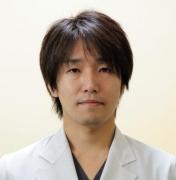
写真a

 
Jun Suenaga
 
Organization
School of Medicine Medical Course Neurosurgery Lecturer
Title
Lecturer
External link

Degree

  • Ph.D. ( 2006.3   Yokohama City University )

  • M.D. ( 2000.3   Yokohama City University )

Research Interests

  • neuroscience

  • brain ischemia

  • neurosurgery

  • migration

  • stroke

  • microglia

  • orbital tumor

  • skull base surgery

  • clinical anatomy laboratory

Research Areas

  • Life Science / Neurosurgery

  • Life Science / Neuroscience-general

  • Life Science / Anatomy  / clinical anatomy laboratory

  • Life Science / Tumor diagnostics and therapeutics  / skull base surgery

Professional Memberships

▼display all

Committee Memberships

  •   日本脳神経外科学会代議員 第XII期  

    2025.9 - 2027.8   

      More details

  •   日本脳神経外科国際学会フォーラム運営委員  

    2023.7   

      More details

Papers

  • Double-balloon jailing technique with microsnare-guided retrograde exchange for stentless reconstruction of a high-flow vertebrovertebral arteriovenous fistula: A case report and technical note. International journal

    Ryosuke Suzuki, Nobuyuki Shimizu, Yu Iida, Taisuke Akimoto, Jun Suenaga, Yasunobu Nakai, Tetsuya Yamamoto

    Journal of cerebrovascular and endovascular neurosurgery   2026.1

     More details

    Language:English   Publishing type:Research paper (scientific journal)  

    We report stentless reconstructive embolization of a high-flow vertebrovertebral arteriovenous fistula using a double-balloon jailing technique with microsnare-guided retrograde exchange. A 70-year-old woman had pulsatile tinnitus and a cervical bruit. Angiography demonstrated a V3-to-suboccipital cavernous sinus fistula with a single short tract, draining into vertebral venous plexuses and via the posterior condylar vein to the sigmoid sinus, without cortical reflux. Targeted embolization was planned by jailing an embolization microcatheter within the tract using arterial and venous balloon microcatheters. Direct transvenous navigation was prevented by septations and high shunt flow; therefore, an arterial microcatheter was advanced antegrade into the internal jugular vein, where it was captured with a microsnare introduced from the venous side, then drawn back as a coupled system to secure venous access. Subsequent inflation of both balloon microcatheters immobilized the embolization microcatheter and enabled dense coil packing. Angiography confirmed complete obliteration which persisted after balloon deflation. Tinnitus resolved immediately, and imaging showed durable occlusion with no recurrence at 5 years. This approach enables reconstructive obliteration of selected high-flow vertebrovertebral arteriovenous fistulas (VVAVFs) without stent implantation, potentially reducing antiplatelet exposure while preserving bailout options. Microsnare-guided retrograde exchange facilitates device delivery in cases of challenging transvenous navigation.

    DOI: 10.7461/jcen.2026.E2025.10.008

    PubMed

    researchmap

  • L-Shaped Zygotomy: A Safe and Versatile Modification of the Zygomatic Approach with Quantitative and Cosmetic Advantages in Skull Base Surgery. International journal

    Fukutaro Ohgaki, Hidetoshi Murata, Masashi Uchida, Mitsuru Sato, Hiroshi Takasuna, Yuichiro Kushiro, Gaku Hidaka, Jun Suenaga, Kensuke Tateishi, Katsumi Sakata, Tetsuya Yamamoto

    World neurosurgery   205   124701 - 124701   2026.1

     More details

    Language:English   Publishing type:Research paper (scientific journal)  

    BACKGROUND: The zygomatic approach provides extensive exposure of the anterior and middle skull base but carries risks of facial nerve injury, cosmetic deformity, and unstable arch reconstruction. We developed a modified L-shaped zygotomy designed to improve safety, reduce flap retraction, and ensure stable cosmetic and reconstructive outcomes, while allowing seamless transition to an orbitozygomatic craniotomy when required. METHODS: Thirty-five patients who underwent L-shaped zygotomy between August 2017 and February 2025 were retrospectively reviewed. The extent of resection, perioperative complications, and cosmetic outcomes were evaluated. Cosmetic assessment included objective ratings by 2 independent neurosurgeons and patient self-assessments using a 5-point Likert scale. Quantitative validation was also performed in one cadaveric head preserved with the saturated salt solution method and 4 3D-printed skull models to compare the L-shaped and conventional zygotomy techniques. RESULTS: Gross total resection was achieved in 25 patients (71%). No new permanent facial palsy, mastication disturbances, or wound complications occurred. At a mean follow-up of 46±14 months, cosmetic outcomes were excellent (Likert scores: surgeons 4.4±0.5, patients 4.7±0.5). In cadaveric analysis, the L-shaped technique required 11 mm less skin flap retraction and, in 3D models, expanded the anterior surgical corridor by 3.9-4.2 mm compared with conventional zygotomy. CONCLUSIONS: The L-shaped zygotomy is a safe and versatile modification of the zygomatic approach. It provides reproducible quantitative advantages in exposure, minimizes flap retraction, ensures stable cosmetic outcomes validated by long-term follow-up, and allows seamless transition to orbitozygomatic when broader exposure is necessary.

    DOI: 10.1016/j.wneu.2025.124701

    PubMed

    researchmap

  • Metabolite Levels Measured Using Magnetic Resonance Spectroscopy in Pediatric Methotrexate-Induced Leukoencephalopathy. International journal

    Daisuke Hirokawa, Moyoko Tomiyasu, Masaki Sonoda, Jun Suenaga, Hiroaki Goto, Noriko Aida, Tetsuya Yamamoto

    Pediatric blood & cancer   72 ( 10 )   e31957   2025.10

     More details

    Language:English   Publishing type:Research paper (scientific journal)  

    BACKGROUND: Methotrexate (MTX)-induced leukoencephalopathy is a significant neurological complication in pediatric acute lymphoblastic leukemia (ALL) treatment. Magnetic resonance spectroscopy (MRS) is a noninvasive method to assess metabolic changes associated with neurotoxicity. This study aimed to evaluate the diagnostic and prognostic value of MRS-derived metabolite levels, particularly N-acetylaspartate and N-acetylaspartylglutamate (tNAA), in MTX-induced leukoencephalopathy. PROCEDURE: We retrospectively analyzed 89 pediatric patients with ALL who underwent brain magnetic resonance imaging (MRI) and MRS at Kanagawa Children's Medical Center between 2009 and 2022. A total of 261 MRS datasets were examined, focusing on metabolic changes in the centrum semiovale. Using mixed logistic regression, we evaluated the association between tNAA levels and leukoencephalopathy onset, as well as their correlation with clinical recovery after MTX discontinuation. RESULTS: Patients with leukoencephalopathy had significantly lower tNAA levels than those of controls. A predictive model indicated that a 1.0-point decrease in pretreatment tNAA levels was associated with an approximately 3.22-fold increase in the odds of developing MTX-induced leukoencephalopathy. Furthermore, increasing tNAA levels over time were significantly correlated with clinical improvement. CONCLUSION: This study suggests that tNAA levels measured using MRS may serve as a potential biomarker for diagnosing and monitoring MTX-induced leukoencephalopathy. Integrating MRS into clinical assessments may represent a promising future approach to facilitate earlier intervention, inform treatment strategies, and potentially improve patient outcomes, pending validation by future prospective studies. These findings highlight the importance of MRS in the real-time evaluation of disease progression and therapeutic responses in pediatric patients undergoing MTX treatment.

    DOI: 10.1002/pbc.31957

    PubMed

    researchmap

  • 高頻度SPESによる有効性結合評価 周波数依存性と安全性の検討

    相澤 桃, 園田 真樹, 藤井 啓太, 池谷 直樹, 大島 聡人, 矢澤 理, 岡 千紘, 秋本 大輔, 三宅 勇平, 田中 貴大, 大竹 誠, 佐藤 充, 中居 康展, 末永 潤, 立石 健祐, 山本 哲哉

    臨床神経生理学   53 ( 5 )   616 - 616   2025.10

     More details

    Language:Japanese   Publisher:(一社)日本臨床神経生理学会  

    researchmap

  • Successful surgical management of a recurrent thrombosed vertebral artery aneurysm following cardiopulmonary arrest induced by parent artery occlusion after flow diversion: illustrative case. International journal

    So Ozaki, Taisuke Akimoto, Takahiro Moro, Takafumi Kawasaki, Masaki Sonoda, Jun Suenaga, Yasunobu Nakai, Katsumi Takizawa, Tetsuya Yamamoto

    Journal of neurosurgery. Case lessons   10 ( 6 )   2025.8

     More details

    Language:English   Publishing type:Research paper (scientific journal)  

    BACKGROUND: The management of large thrombosed unruptured vertebral artery (VA) aneurysms is complex and remains a significant clinical challenge. OBSERVATIONS: A 46-year-old man presented with a headache and was diagnosed with a thrombosed 28-mm aneurysm in the right VA. The initial treatment with a Pipeline flow diverter stent was followed by parent artery occlusion with coils after the aneurysm had enlarged to 40 mm. Subsequently, the patient experienced cardiopulmonary arrest owing to brainstem compression-induced respiratory failure. A surgical approach involving a thrombectomy via a lateral suboccipital craniotomy was used, resulting in significant clinical improvement. The patient was eventually transferred to a rehabilitation facility with a modified Rankin Scale score of 1 and continued to recover with time. LESSONS: Although endovascular treatments are less invasive, they may be insufficient in cases with significant mass effects. Direct surgical intervention, including thrombectomy and coagulation of the vasa vasorum, can be an effective strategy to reduce the mass effect and halt aneurysm growth. Timely surgical intervention before the onset of severe symptoms is recommended to optimize outcomes. https://thejns.org/doi/10.3171/CASE25383.

    DOI: 10.3171/CASE25383

    PubMed

    researchmap

  • Insular branch resembling lenticulostriate artery from M2 inferior trunk of middle cerebral artery: cadaver anatomic study. International journal

    Fukutaro Ohgaki, Jun Suenaga, Kengo Funakoshi, Takashi Shuto, Tetsuya Yamamoto

    Neurosurgical review   48 ( 1 )   456 - 456   2025.5

     More details

    Language:English   Publishing type:Research paper (scientific journal)  

    Whether the lenticulostriate artery (LSA) can branch from the M2 inferior trunk of the middle cerebral artery (MCA) remains unclear. However, although rare, some branches from the M2 inferior trunk have been observed to run along the LSA from the MCA M1 segment or M2 superior trunk. In addition, these branches could be clinical problems by running across the MCA bifurcation. Therefore, we investigated whether these branches were truly LSAs using cadaveric heads, and assessed their clinical significance. We examined 32 hemispheres of 16 cadaveric heads using microscopy to evaluate the branches from the M2 inferior trunk and their relationships with other arteries, including the M1 segment, M2 branches, and LSAs. Among the 32 hemispheres, four exhibited branches from the M2 inferior trunk running along the LSA. However, these branches terminated at the limen insulae and did not run in the Sylvian cistern and did not reach the anterior perforated substance. Therefore, they were not truly LSAs. We defined these branches from the M2 inferior trunk as "insular branches from the M2 inferior trunk resembling LSA". In some clinical cases, such as "MCA bifurcation aneurysm" and "insular glioma", these branches could be surgical problems by running across the MCA bifurcation. Moreover, in these four hemispheres, the LSAs were observed to branch from the M2 superior trunk. Although this variation is infrequent, awareness of this variation would be useful for the safer operations, particularly in cases that the LSAs branch from the M2 superior trunk.

    DOI: 10.1007/s10143-025-03614-x

    PubMed

    researchmap

  • Application of a simple scoring scale to predict prognosis of poor-grade subarachnoid haemorrhage using intraventricular haemorrhage. International journal

    Shuto Fushimi, Taisuke Akimoto, Makoto Ohtake, Yu Iida, Shigeta Miyake, Ryosuke Suzuki, Satoshi Hori, Jun Suenaga, Yasunobu Nakai, Katsumi Sakata, Tetsuya Yamamoto

    Scientific reports   15 ( 1 )   14905 - 14905   2025.4

     More details

    Language:English   Publishing type:Research paper (scientific journal)  

    Intraventricular haemorrhage (IVH) is a key prognostic factor for subarachnoid haemorrhage (SAH). However, no simple or rapid scoring method for its evaluation exists. We aimed to modify and validate a simple scale for rapid IVH grading. We engaged two study groups to generate scores and examine their utility. Study 1 identified prognostic factors in poor-grade SAH and developed a prognostic scoring system. Study 2 evaluated the utility of the score by analysing data from a multicentre patient registry, including all severity levels, and confirmed its generalisability. Outcomes were defined using the modified Rankin scale (score ≥ 3: poor outcome). Study 1 (including 110 patients with poor-grade SAH) created a simple IVH score (IVHAge) based on two slices of computed tomography images and confirmed that it was as predictive as the modified Graeb score (area under the curve: IVHAge score, 0.815; modified Graeb score, 0.752). Study 2 examined 493 patients and found that for each 1-unit increase in the IVHAge score, the odds of a poor outcome increased by 37% (unit odds ratio, 1.37; 95% confidence interval 1.10-1.70; P = 0.005). The IVHAge score, which comprises a simplified IVH score and age-related factors, has prognostic value and is suitable for rapid clinical application.

    DOI: 10.1038/s41598-025-99132-3

    PubMed

    researchmap

  • Transvenous embolization via the inferior petroclival vein for cavernous sinus dural arteriovenous fistula using preoperative and intraoperative image guidance: illustrative case. International journal

    Yu Iida, Jun Suenaga, Nobuyuki Shimizu, Taisuke Akimoto, Tetsu Morinobu, Shun Yoshida, Yasunobu Nakai, Tetsuya Yamamoto

    Journal of neurosurgery. Case lessons   9 ( 12 )   2025.3

     More details

    Language:English   Publishing type:Research paper (scientific journal)  

    BACKGROUND: The standard approach for transvenous embolization (TVE) of a cavernous sinus (CS) dural arteriovenous fistula (DAVF) involves the inferior petrosal sinus (IPS). However, the IPS is often obstructed in many cases. In some cases, the IPS is not connected to the internal jugular vein, making access to the CS via the IPS difficult. The inferior petroclival vein (IPCV) runs through the extracranial petroclival fissures. Although only one case series has reported on the treatment of a CS DAVF via the IPCV, no detailed technical tips have been provided. OBSERVATIONS: A 76-year-old female presented with right abducens nerve palsy and left ptosis. Angiography revealed a right CS DAVF with bilateral IPS obstructions. Preoperative contrast-enhanced MRI confirmed the IPCV, connecting caudally to the anterior condylar confluence (ACC) and cranially to the internal carotid artery venous plexus of Rektorzik. Intraoperative venography of the ACC revealed the IPCV, allowing easy access to the CS. The patient's symptoms resolved after TVE. LESSONS: The IPCV is rarely used due to its low anatomical recognition and narrow, tortuous structure compared to the IPS. However, understanding the course of the IPCV through preoperative contrast-enhanced MRI and visualizing the IPCV using intraoperative ACC venography can facilitate the IPCV approach. https://thejns.org/doi/10.3171/CASE24574.

    DOI: 10.3171/CASE24574

    PubMed

    researchmap

  • Embolization for vein of Galen aneurysmal malformation via the brachial artery in an infant: illustrative case. International journal

    Taisuke Akimoto, Yu Iida, Yasuhiro Ichikawa, Kaori Mori, Yuki Minamisawa, Satoshi Hori, Jun Suenaga, Yasunobu Nakai, Kastumi Sakata, Tetsuya Yamamoto

    Journal of neurosurgery. Case lessons   9 ( 12 )   2025.3

     More details

    Language:English   Publishing type:Research paper (scientific journal)  

    BACKGROUND: A vein of Galen aneurysmal malformation (VGAM) is a rare vascular lesion that often requires treatment in the neonatal period or infancy. Neonates and infants have limited catheter access, and the treatment of VGAM often requires multiple procedures. When standard access routes are unavailable, alternative vascular access becomes essential. OBSERVATIONS: A female infant born at 35 weeks 6 days of gestation with a prenatal diagnosis of VGAM developed severe heart failure and anuria after birth. Urgent transarterial glue embolization was performed on days 0 and 1. Three months later, follow-up MRI showed shunt worsening and venous congestion. With no remaining access routes available, the brachial artery was utilized as an alternative, as both femoral arteries were occluded and direct internal carotid artery puncture was unsafe due to the short neck and enlarged jugular vein. After this approach, treatment improved venous congestion and reduced the VGAM shunt without complications, preserving blood flow in the brachial artery. LESSONS: In neonates, maintaining umbilical artery access is crucial to preserving the femoral arteries for future use. However, if these routes are lost due to multiple procedures, the brachial artery can serve as an effective alternative for vascular access. https://thejns.org/doi/10.3171/CASE24861.

    DOI: 10.3171/CASE24861

    PubMed

    researchmap

  • "The microcatheter contrast injection technique": A novel technique to detect the proximal end of a thrombus in mechanical thrombectomy. International journal

    Yu Iida, Kentaro Mori, Yosuke Kawahara, Issei Fukui, Ryotaro Yamashita, Mutsuki Takeda, Tatsu Nakano, Satoshi Hori, Jun Suenaga, Nobuyuki Shimizu, Motohiro Nomura, Tetsuya Yamamoto

    The neuroradiology journal   38 ( 1 )   98 - 105   2025.2

     More details

    Language:English   Publishing type:Research paper (scientific journal)  

    Background: An aspiration catheter needs to attach to a thrombus in order to achieve first-pass recanalization by mechanical thrombectomy (MT) for acute ischemic stroke (AIS), particularly that using a direct aspiration first pass technique. The meniscus sign, which is defined as meniscoid contrast opacification indicating the proximal edge of a thrombus, has been suggested to contribute to successful recanalization. In some cases, the meniscus sign is not detected following an injection of contrast medium through a guiding catheter. To precisely identify the location of a thrombus, we use "the microcatheter contrast injection (MCI) technique," which accurately shows the proximal edge of a thrombus. We herein introduce this novel technique and discuss its efficacy in MT. Methods: In cases without the meniscus sign, a microcatheter was advanced to the distal end of contrast opacification, and contrast medium was injected through the microcatheter to detect the meniscus sign. An aspiration catheter was then advanced to the thrombus indicated by the meniscus sign and slowly withdrawn under aspiration. Results: 29 patients underwent MT for AIS using the MCI technique. Even in cases without the meniscus sign on initial angiography, the MCI technique accurately revealed the proximal edge of the thrombus. Moreover, middle cerebral artery occlusion due to atherosclerotic stenosis and displacement of the aspiration catheter and thrombus axis were detected using this technique. Conclusions: The MCI technique may effectively reveal the exact site of a thrombus and increase the success rate of first-pass recanalization.

    DOI: 10.1177/19714009231224427

    PubMed

    researchmap

  • Contralateral Transmaxillary Approach for a 13-Year-Old Boy with a Petrous Apex Cholesterol Granuloma: A Case Report. International journal

    Yasuhiro Arai, Jun Suenaga, Mitsuru Sato, Daisuke Sano, Tetsuya Yamamoto, Nobuhiko Oridate

    Pediatric neurosurgery   60 ( 3 )   79 - 84   2025

     More details

    Language:English   Publishing type:Research paper (scientific journal)  

    <p>Introduction: Surgical extirpation of a cholesterol granuloma in the petrous apex, located dorsal to the petrous part of the internal carotid artery (ICA), is challenging. Herein, we report a pediatric case of a cholesterol granuloma of the petrous apex treated using the endoscopic contralateral transmaxillary (CTM) approach. Case Presentation: A 13-year-old boy presented with a left-sided headache, slight hypoesthesia in the left V1 area, and severe neuralgia of the left auriculotemporal nerve. Magnetic resonance imaging (MRI) revealed a high-intensity mass without gadolinium enhancement. The patient's headache was unresponsive to various medications. After careful evaluation, an endoscopic CTM approach was selected for the extirpation of the granuloma. Postoperatively, the patient did not experience headache or associated neurological complications. MRI at 46 months revealed no recurrence. Conclusion: The endoscopic CTM approach can be used for excising cholesterol granulomas of the petrous apex located posterior to the petrous part of the ICA without causing severe complications. This approach can be considered useful for pediatric cases in which granulomas are not accessible via the transnasal endoscopic transsphenoidal approach. </p>.

    DOI: 10.1159/000546531

    PubMed

    researchmap

  • Relationship Between Location of Cell Transplantation and Recovery for Intracerebral Stem Cell Transplantation for Chronic Traumatic Brain Injury: Post-hoc Analysis of STEMTRA Trial. International journal

    Masahito Kawabori, Yasuaki Karasawa, Jun Suenaga, Hajime Nakamura, Hideaki Imai, Takao Yasuhara, Naoki Tani, Tatsuya Sasaki, Takashi Kawasaki, Kenta Totsuka, Dai Chida, Yoichi M Ito, Tetsuya Yamamoto, Isao Date, Shota Tanaka, Haruhiko Kishima, Miki Fujimura

    Neurotrauma reports   6 ( 1 )   106 - 114   2025

     More details

    Language:English   Publishing type:Research paper (scientific journal)  

    Traumatic brain injury is a world-leading cause of disability. Current treatments are not sufficient to promote neurological recovery. Intracerebral transplantation of allogeneic mesenchymal stem cells, specifically SB623, has shown promise in achieving better neurological recovery compared with a sham surgery group in the STEMTRA trial. However, the optimal location for cell transplantation remains unclear, as transplanted lesions vary between patients. This study aimed to explore the relationship between functional recovery and the location of transplanted lesions. This study included all Japanese subjects from the STEMTRA trial who were assigned to the cell transplantation group. Functional recovery was assessed by the difference in Fugl-Meyer Motor Scale (FMMS) scores between the screening period and 24 or 48 weeks post-transplantation. An FMMS score improvement of >8 was defined as an improved group. Lesions responsible for motor deficits were categorized into three groups: motor cortex (Cortex), deep white matter (DWM), or both (Cortex and DWM). Data on the 15 transplanted sites per patient were obtained from surgical navigation software, and the distance from the damaged area to the transplanted sites was calculated. Twelve patients were included in this post-hoc analysis. No patients in the 2.5 × 10⁶ cells group showed improvement and were therefore excluded from further analysis. Five patients were categorized into the Cortex group and four into the DWM group. The distance between the transplanted site and the injury point ranged from 0 to 39 mm. A moderate to strong trend of correlations was observed, suggesting that a shorter distance is preferable for the motor cortex group, while a greater distance is preferable for the DWM group. The optimal site for stem cell transplantation may be different from the damaged site of the patient; however, a further large number cohort is necessary to elucidate this hypothesis.

    DOI: 10.1089/neur.2024.0130

    PubMed

    researchmap

  • Multiple trauma and shock vital signs as potential for improved outcome in patients with severe head trauma. International journal

    Yuya Imanishi, Makoto Ohtake, Taisuke Akimoto, Takafumi Kawasaki, Masaki Yasuda, Kaoru Shizawa, Jun Suenaga, Takashi Kawasaki, Katsumi Sakata, Ichiro Takeuchi, Tetsuya Yamamoto

    Acute medicine & surgery   12 ( 1 )   e70058   2025

     More details

    Language:English   Publishing type:Research paper (scientific journal)  

    AIM: To evaluate the prognostic factors in severe head trauma patients (Glasgow Coma Score (GCS) ≤ 8) with all trauma, including those with trunk injury as well as single severe head trauma (abbreviated injury scale (AIS) ≥ 3). METHODS: We included 152 consecutive patients with head trauma (AIS ≥ 3) and consciousness disorders (GCS ≤ 8) who were transported to our institute from January 2017 to October 2022. Data on the patients' background, vital signs at presentation, multiple trauma (AIS ≥ 3 in two or more locations), surgical intervention, and hematological findings were examined; a retrospective analysis was conducted with the modified Rankin Scale score after 3 months assigned as the primary outcome. RESULTS: The patients' mean age was 57.6 ± 23.4 years (0-89), 49 patients (32.2%) had multiple trauma, and 25 patients (16.4%) had accompanying shock vital signs. In the multivariate analysis of prognosis, age (p = 0.0007) and D-dimer levels (p = 0.0007) were independent poor prognostic factors. On the contrary, patients with multiple trauma (p = 0.027) and shock vital signs at presentation (p = 0.037) had a significantly better prognosis. In the non-shock group, 97.6% (41/42) of patients aged ≥50 years and with D-dimer level of 40 μg/mL or higher had a poor prognosis after 3 months. CONCLUSION: Advanced age and high D-dimer levels are important independent associated factors in patients with severe consciousness disorder associated with head trauma; meanwhile, the prognosis is more favorable in patients whose consciousness disorders are associated with multiple trauma or circulatory failure, indicating that rapid improvement of circulatory failure may lead to better outcomes.

    DOI: 10.1002/ams2.70058

    PubMed

    researchmap

  • Prognostic Factors and Initial Treatment Strategies for Patients with Head Trauma and Vital Signs of Shock. International journal

    Masaki Yasuda, Makoto Ohtake, Taisuke Akimoto, Masayuki Okano, Yuya Imanishi, Takafumi Kawasaki, Jun Suenaga, Katsumi Sakata, Ichiro Takeuchi, Tetsuya Yamamoto

    Neurotrauma reports   6 ( 1 )   336 - 344   2025

     More details

    Language:English   Publishing type:Research paper (scientific journal)  

    Head trauma accompanied by circulatory failure is a rare but severe condition, and few reports regarding its prognosis or initial treatment strategies have been published. We aimed to evaluate the prognostic factors and treatment strategies for patients with head trauma and vital signs of shock. We included 415 consecutive patients with head trauma (Abbreviated Injury Scale [AIS] score ≥3) who were transported to our institution from January 2017 to December 2023. These patients were divided into shock and non-shock groups. Data on their background, vital signs at presentation, trunk injury status, surgical intervention, and hematological findings were examined. A retrospective analysis was conducted with the modified Rankin Scale score after 3 months as the primary outcome. The patients' mean age was 53.9 ± 24.4 years, 304 (73.3%) were male, 265 (63.9%) experienced severe trauma (injury severity score ≥16), 124 (29.9%) had multiple trauma (AIS score ≥3 at two or more locations), and 59 (14.2%) had accompanying vital signs of shock (shock index >1). Multivariable analysis revealed that older age (p < 0.0001), a lower Glasgow Coma Scale (GCS) score (p < 0.0001), elevated D-dimer levels (p = 0.0077), and pupillary abnormalities (p = 0.038) were independently associated with a poor prognosis in the non-shock group. In the shock group, older age (p = 0.0037) and neurosurgical intervention (p = 0.012) were independent prognostic factors. In contrast to those in the non-shock group, the GCS score and D-dimer levels were not useful prognostic factors in the shock group. The optimal cut-off age for prognosis was 64 years (area under the receiver operating characteristic curve: 0.752; sensitivity: 0.670, specificity: 0.777). The prognosis was significantly worse in the shock group when neurosurgery was required, suggesting that developing a treatment strategy aimed at more rapidly reducing intracranial pressure is essential, especially for patients under 64 years old with circulatory failure.

    DOI: 10.1089/neur.2024.0167

    PubMed

    researchmap

  • Endovascular Treatment of Unruptured Wide Necked Cerebral Aneurysms Larger Than 9 mm Affects Re-treatment and Prognosis in the Elderly: A Retrospective Analysis of Unruptured Aneurysms. International journal

    Shuto Fushimi, Taisuke Akimoto, Yuta Otomo, Yu Iida, Shigeta Miyake, Makoto Ohtake, Satoshi Hori, Jun Suenaga, Yasunobu Nakai, Tetsuya Yamamoto

    Cureus   16 ( 12 )   e75759   2024.12

     More details

    Language:English   Publishing type:Research paper (scientific journal)  

    Background and purpose The risk of rupture increases with advancing age. However, the risk-benefit of coil embolization for elderly patients with unruptured aneurysms is controversial. This study aimed to identify factors associated with treatment primary outcomes, including risk factors for complications and aneurysm recurrence requiring re-treatment in the endovascular treatment of unruptured aneurysms in elderly patients. In addition, deterioration of the modified Rankin Scale (mRS) was examined as a secondary outcome. Materials and methods This retrospective three-center study examined 112 cases of coiled unruptured aneurysms in patients aged ≥ 60 years using endovascular registry data from January 2018 to March 2022. We examined patient background, aneurysm characteristics, adjuvant technique, symptomatic complications, and mRS scores. Results The average age of the patients was 72.5±6.9 years, and 83 cases (74.1%) were female. During the postoperative follow-up period (six to 36 months), no deaths occurred, one case of postoperative rupture was observed, and nine patients (5.4%) were re-treated. Notably, age, underlying disease, aneurysm location, and re-treatment were not associated with complications. In the multivariate logistic analysis for re-treatment, symptomatic complications [odds ratio (OR) 11.01; 95% confidence interval (CI), 3.68-52.5; p < 0.001] and re-treatment (OR 3.25; 95% CI, 1.04-10.7; p = 0.039) were independently associated with mRS score deterioration. The risk factors for re-treatment were maximum aneurysm diameter and aneurysm neck diameter; aneurysms with neck diameters and maximum diameters > 5.0 mm and > 9.0 mm, respectively, had a higher rate of need for re-treatment (33%) and mRS score deterioration (33%) due to re-enlargement of the aneurysm. Conclusion In this study, complications did not increase with age in those aged 60 and older. However, prioritizing the avoidance of complications in elderly patients is important. Elderly patients with aneurysms larger than 9 mm have a poor prognosis and require additional attention for re-treatment.

    DOI: 10.7759/cureus.75759

    PubMed

    researchmap

  • Impact of the COVID-19 Pandemic on Traumatic Brain Injury Care: Analysis from a Tertiary Emergency Center in Japan

    So Ozaki, Makoto Ohtake, Taisuke Akimoto, Masaki Sonoda, Yuya Imanishi, Masaki Yasuda, Soichiro Nomura, Jun Suenaga, Katsumi Sakata, Ichiro Takeuchi, Tetsuya Yamamoto

    Neurotrauma Reports   5 ( 1 )   1186 - 1194   2024.11

     More details

    Publishing type:Research paper (scientific journal)   Publisher:Mary Ann Liebert Inc  

    DOI: 10.1089/neur.2024.0133

    researchmap

    Other Link: https://www.liebertpub.com/doi/pdf/10.1089/neur.2024.0133

  • 未破裂血栓化脳動脈瘤の血管内治療成績 Registry dataから

    末永 潤, 秋本 大輔, 川崎 貴史, 飯田 悠, 中野 芙美, 大塩 恒太郎, 青柳 盟史, 清水 信行, 中居 康展, 山本 哲哉

    日本脳神経血管内治療学会学術集会抄録集   40回   317 - 317   2024.11

     More details

    Language:Japanese   Publisher:(一社)日本脳神経血管内治療学会  

    researchmap

  • 前脈絡叢動脈からの脳腫瘍術前塞栓術の安全性と有効性

    松山 晋一郎, 秋本 大輔, 中居 康展, 飯田 悠, 中野 芙美, 川崎 貴史, 園田 真樹, 田中 貴大, 佐藤 充, 立石 健祐, 末永 潤, 山本 哲哉

    日本脳神経血管内治療学会学術集会抄録集   40回   519 - 519   2024.11

     More details

    Language:Japanese   Publisher:(一社)日本脳神経血管内治療学会  

    researchmap

  • The sinus of the lesser sphenoid wingの解剖学的、画像的検討

    飯田 悠, 秋本 大輔, 川崎 貴史, 末永 潤, 中居 康展, 船越 健悟, 山本 哲哉

    日本脳神経血管内治療学会学術集会抄録集   40回   423 - 423   2024.11

     More details

    Language:Japanese   Publisher:(一社)日本脳神経血管内治療学会  

    researchmap

  • 術前塞栓術における合併症ゼロを目指した塞栓戦略の構築

    秋本 大輔, 飯田 悠, 川崎 貴史, 堀 聡, 小野寺 英孝, 大塩 恒太郎, 三宅 茂太, 末永 潤, 中居 康展, 坂田 勝巳, 山本 哲哉

    日本脳神経血管内治療学会学術集会抄録集   40回   371 - 371   2024.11

     More details

    Language:Japanese   Publisher:(一社)日本脳神経血管内治療学会  

    researchmap

  • ETMR様の組織像を呈した幼児脈絡叢乳頭腫瘍の1例

    山下 遼, 末永 潤, 園田 真樹, 立石 健祐, 秋本 大輔, 中居 康展, 塩田 雅朗, 岡 千紘, 山西 純, 辻本 信一, 竹内 正宣, 高瀬 宙樹, 山中 正二, 佐藤 充, 山本 哲哉

    小児の脳神経   49 ( 2 )   229 - 229   2024.4

     More details

    Language:Japanese   Publisher:(一社)日本小児神経外科学会  

    researchmap

  • 開頭術後の環軸椎回旋位固定となった小児2例

    田中 貴大, 佐藤 充, 都築 海人, 山下 遼, 立石 健祐, 末永 潤, 竹内 正宣, 辻本 信一, 池田 順治, 山本 哲哉

    小児の脳神経   49 ( 2 )   177 - 177   2024.4

     More details

    Language:Japanese   Publisher:(一社)日本小児神経外科学会  

    researchmap

  • 開頭術後の環軸椎回旋位固定となった小児2例

    田中 貴大, 佐藤 充, 都築 海人, 山下 遼, 立石 健祐, 末永 潤, 竹内 正宣, 辻本 信一, 池田 順治, 山本 哲哉

    小児の脳神経   49 ( 2 )   177 - 177   2024.4

     More details

    Language:Japanese   Publisher:(一社)日本小児神経外科学会  

    researchmap

  • ETMR様の組織像を呈した幼児脈絡叢乳頭腫瘍の1例

    山下 遼, 末永 潤, 園田 真樹, 立石 健祐, 秋本 大輔, 中居 康展, 塩田 雅朗, 岡 千紘, 山西 純, 辻本 信一, 竹内 正宣, 高瀬 宙樹, 山中 正二, 佐藤 充, 山本 哲哉

    小児の脳神経   49 ( 2 )   229 - 229   2024.4

     More details

    Language:Japanese   Publisher:(一社)日本小児神経外科学会  

    researchmap

  • Anti-epileptic drug use and subsequent degenerative dementia occurrence. International journal

    Naoki Ikegaya, Honoka Nakamura, Yutaro Takayama, Yohei Miyake, Takahiro Hayashi, Masaki Sonoda, Mitsuru Sato, Kensuke Tateishi, Jun Suenaga, Masao Takaishi, Yu Kitazawa, Misako Kunii, Hiroki Abe, Tomoyuki Miyazaki, Tetsuaki Arai, Manabu Iwasaki, Takayuki Abe, Tetsuya Yamamoto

    Alzheimer's & dementia (New York, N. Y.)   10 ( 3 )   e70001   2024

     More details

    Language:English   Publishing type:Research paper (scientific journal)  

    INTRODUCTION: The use of anti-epileptic drugs (AEDs) in degenerative dementia (DD) remains uncertain. We aimed to evaluate the association of early AED administration with subsequent DD occurrence. METHODS: Using a large nationwide database, we enrolled patients newly diagnosed with epilepsy from 2014 to 2019 (n = 104,225), and using propensity score matching, we divided them into treatment (those prescribed AEDs in 2014) and control groups. The primary outcome was subsequent DD occurrence in 2019. RESULTS: Overall, 4489 pairs of patients (2156 women) were matched. The odds ratio (treatment/control) for DD occurrence was 0.533 (95% confidence interval: 0.459-0.617). The DD proportions significantly differed between the treatment (340/4489 = 0.076) and control (577/4489 = 0.129) groups. DISCUSSION: Among patients newly diagnosed with epilepsy, compared to non-use, early AED use was associated with a lower occurrence of subsequent DD. Further investigations into and optimization of early intervention for epilepsy in DD are warranted. HIGHLIGHTS: Anti-epileptic drug (AED) use before epilepsy diagnosis was linked with a lower subsequent degenerative dementia (DD) occurrence.Identifying the epileptic phenotype was crucial for justifying early AED use in DD.AED use with an epilepsy diagnosis did not pose an additional risk of DD.The potential contribution of combination drug therapy to the strategy was noted.

    DOI: 10.1002/trc2.70001

    PubMed

    researchmap

  • Differences and Advantages of Particles versus Liquid Material for Preoperative Intracranial Tumor Embolization: A Retrospective Multicenter Study.

    Yu Iida, Taisuke Akimoto, Shigeta Miyake, Ryosuke Suzuki, Wataru Shimohigoshi, Satoshi Hori, Jun Suenaga, Yasunobu Nakai, Katsumi Sakata, Tetsuya Yamamoto

    Journal of neuroendovascular therapy   18 ( 4 )   110 - 118   2024

     More details

    Language:English   Publishing type:Research paper (scientific journal)  

    OBJECTIVES: The superiority and usefulness of liquid material over particles for embolization have been a topic of debate due to differences in materials and techniques. This study aimed to identify the complications and outcomes associated with both embolization materials. METHODS: This retrospective multicenter cohort study included 93 patients from an endovascular treatment registry, treated from January 1, 2018 to May 31, 2022. It included patients who underwent preoperative embolization for meningioma, solitary fibrous tumor/hemangiopericytoma, and hemangioblastoma. Data for patient characteristics, procedural factors, complications, and outcomes were collected from medical records. RESULTS: A tortuous access route was the only factor independently associated with complications (p = 0.020). Although liquid material was more frequently used for embolization in relatively high-risk conditions, complication rates did not differ significantly between the groups (p = 0.999). In the liquid material group, the tip of the microcatheter could be guided closer to the tumor (p <0.001) using a distal access catheter and flow-guide microcatheters. The subgroup middle meningeal artery embolization had less operative bleeding in the liquid material group (p <0.001), whereas the particles group exhibited less intraoperative blood loss than the liquid material group (p = 0.006). CONCLUSION: The vascular tortuosity of the access route was only associated with complications in preoperative tumor embolization. Liquid material and particles showed no difference in complication rates. The use of particles in embolization may reduce intraoperative bleeding, but not in all cases can it be used safely. Therefore, a thorough understanding of the characteristics of both approaches and their relative advantages in clinical practice is essential to opt for the appropriate material according to the case.

    DOI: 10.5797/jnet.oa.2023-0083

    PubMed

    researchmap

  • Endovascular treatment for posterior inferior cerebellar artery aneurysm with vertebral artery stenosis: The critical role of diagnosing osteophyte compression. International journal

    Masanori Isoda, Yu Iida, Taisuke Akimoto, Satoshi Hori, Jun Suenaga, Nobuyuki Shimizu, Yasunobu Nakai, Tetsuya Yamamoto

    Surgical neurology international   15   421 - 421   2024

     More details

    Language:English   Publishing type:Research paper (scientific journal)  

    BACKGROUND: Vertebral artery (VA) stenosis can be caused by several factors, including arteriosclerosis, arterial dissection, and mechanical compression. Symptomatic vertebrobasilar insufficiency caused by VA stenosis due to mechanical compression associated with head rotation is well-known as Bow Hunter's syndrome. However, an accurate diagnosis of asymptomatic osteophyte compression-induced nonrotational VA stenosis is difficult. We report a case of left posterior inferior cerebellar artery aneurysm with severe left VA stenosis, treated with stent-assisted coil embolization following appropriate diagnosis. CASE DESCRIPTION: A 72-year-old female patient was found to have severe asymptomatic VA stenosis at the V2 segment (C4-5 level of the cervical spine) on cerebral angiography. Osteophyte compression-induced VA stenosis was suspected, which was confirmed by cone-beam computed tomography. The VA stenosis improved by flexing the neck and fixing the head position, following which the endovascular treatment was successfully completed. CONCLUSION: The site of the VA stenosis is critical in determining the etiology. Atherosclerotic VA stenosis often occurs at the origin of the artery or V4 segment, whereas bony compression-induced stenosis is more likely to occur at the V2 segment. Diagnosis and appropriate management of VA stenosis is based on determining the site.

    DOI: 10.25259/SNI_772_2024

    PubMed

    researchmap

  • Improvement of Isolated Abducens Nerve Palsy with Hydrocephalus after CSF Diversion: A Possible Evaluative Role of Retroclival-pontomedullary Distance.

    Kento Tsuburaya, Naoki Ikegaya, Jun Suenaga, Raisa Funatsuya-Sato, Tetsuya Yamamoto

    NMC case report journal   11   333 - 337   2024

     More details

    Language:English   Publishing type:Research paper (scientific journal)  

    Isolated abducens nerve palsy (IANP), caused by secondary communicating hydrocephalus, has been rarely documented; in addition, its mechanism and appropriate treatment are not understood well. This study presents a case of bilateral IANP with hydrocephalus in a 62-year-old man who was successfully treated with cerebrospinal fluid (CSF) diversion to correct an enlarged retroclival space during the follow-up of recurrent brain tumor in the right parieto-occipital lobe. The patient was treated with three resections, temozolomide, and irradiation before developing IANP. Magnetic resonance imaging (MRI) revealed a recurrent tumor and ventriculomegaly with an expanded retroclival cisternal space. The patient underwent subtotal tumor resection and external ventricular drain placement in the anterior horn of the lateral ventricle. His bilateral IANP persisted for 4 days after surgery but gradually improved and disappeared by Day 7. Four weeks later, the patient underwent ventriculoperitoneal (VP) shunt surgery to establish a permanent CSF diversion that continued to control the symptoms. Retrospective MRI review revealed the distance between the clivus and pontomedullary junction on the sagittal section (retroclival-pontomedullary distance; RPD) of 9.0, 12.8, 10.7, and 10.6 mm before IANP, on IANP onset, on postoperative Day 4, and post VP shunt surgery, respectively. In conclusion, VP shunt surgery was an appropriate approach for IANP with communicating hydrocephalus to correct the enlarged retroclival cisternal space. RPD thus may be used as one of possible evaluation methods for IANP with hydrocephalus, which can be caused by various factors.

    DOI: 10.2176/jns-nmc.2024-0092

    PubMed

    researchmap

  • Arteries Around the Superior Limiting Sulcus: Motor Complication Avoidance in Insular and Insulo-Opercular Surgery. International journal

    Naoki Ikegaya, Takahiro Hayashi, Takefumi Higashijima, Yutaro Takayama, Masaki Sonoda, Masaki Iwasaki, Yohei Miyake, Mitsuru Sato, Kensuke Tateishi, Jun Suenaga, Tetsuya Yamamoto

    Operative neurosurgery (Hagerstown, Md.)   25 ( 6 )   e308-e314   2023.12

     More details

    Language:English   Publishing type:Research paper (scientific journal)  

    BACKGROUND AND OBJECTIVES: Insulo-opercular surgery can cause ischemic motor complications. A source of this is the arteries around the superior limiting sulcus (SLS), which reach the corona radiata, but the detailed anatomy remains unclear. To characterize arteries around the SLS including the long insular arteries (LIAs) and long medullary arteries, we classified them and examined their distribution in relation to the SLS, which helps reduce the risk of ischemia. METHODS: Twenty adult cadaveric hemispheres were studied. Coronal brain slices were created perpendicular to the SLS representing insular gyri (anterior short, middle short, posterior short, anterior long, and posterior long). The arteries within 10-mm proximity of the SLS that reached the corona radiata were excavated and classified by the entry point. RESULTS: A total of 122 arteries were identified. Sixty-three (52%), 20 (16%), and 39 (32%) arteries penetrated the insula (LIAs), peak of the SLS, and operculum (long medullary arteries), respectively. 100 and six (87%) arteries penetrated within 5 mm of the peak of the SLS. The arteries were distributed in the anterior short gyrus (19%), middle short gyrus (17%), posterior short gyrus (20%), anterior long gyrus (19%), and posterior long gyrus (25%). Seven arteries (5.7%) had anastomoses after they penetrated the parenchyma. CONCLUSION: Approximately 90% of the arteries that entered the parenchyma and reached the corona radiata were within a 5-mm radius of the SLS in both the insula and operculum side. This suggests that using the SLS as a landmark during insulo-opercular surgery can decrease the chance of ischemia.

    DOI: 10.1227/ons.0000000000000879

    PubMed

    researchmap

  • 頭蓋内硬膜動静脈瘻に対する経動脈的塞栓術で根治を得るための条件は何か

    飯田 悠, 秋本 大輔, 清水 信行, 末永 潤, 中居 康展, 鈴木 良介, 三宅 茂太, 下吹越 航, 竪月 順也, 綾部 純一, 坂田 勝巳, 山本 哲哉

    脳血管内治療   8 ( Suppl. )   S193 - S193   2023.11

     More details

    Language:Japanese   Publisher:(一社)日本脳神経血管内治療学会  

    researchmap

  • 血管芽腫に対する術前塞栓の治療成績とリスク因子

    作山 りさ, 秋本 大輔, 飯田 悠, 三宅 茂太, 鈴木 良介, 下吹越 航, 堀 聡, 竪月 順也, 末永 潤, 中居 康展, 坂田 勝巳, 山本 哲哉

    脳血管内治療   8 ( Suppl. )   S558 - S558   2023.11

     More details

    Language:Japanese   Publisher:(一社)日本脳神経血管内治療学会  

    researchmap

  • 遠位塞栓防止デバイスの変更に伴う頸動脈ステント留置術の周術期リスクの検討

    下吹越 航, 飯田 悠, 三宅 茂太, 鈴木 良介, 秋本 大輔, 竪月 順也, 綾部 純一, 清水 信行, 末永 潤, 中居 康展, 坂田 勝巳, 山本 哲哉

    脳血管内治療   8 ( Suppl. )   S239 - S239   2023.11

     More details

    Language:Japanese   Publisher:(一社)日本脳神経血管内治療学会  

    researchmap

  • Transvenous embolization for an intraosseous clival arteriovenous fistula via a proper access route guiding a three-dimensional fusion image: illustrative case. International journal

    Yu Iida, Jun Suenaga, Nobuyuki Shimizu, Kaoru Shizawa, Ryosuke Suzuki, Shigeta Miyake, Taisuke Akimoto, Satoshi Hori, Kensuke Tateishi, Yasunobu Nakai, Tetsuya Yamamoto

    Journal of neurosurgery. Case lessons   6 ( 18 )   2023.10

     More details

    Language:English   Publishing type:Research paper (scientific journal)  

    BACKGROUND: Intraosseous clival arteriovenous fistulas (AVFs), in which the shunt drains extracranially from the posterior and anterior condylar veins rather than from the cavernous sinus (CS), are rare. Targeting embolization of an intraosseous clival AVF is challenging because of its complex venous and skull base anatomy; therefore, a therapeutic strategy based on detailed preoperative radiological findings is required to achieve a favorable outcome. Here, the authors report the successful targeted embolization of an intraosseous clival AVF using an ingenious access route. OBSERVATIONS: A 74-year-old woman presented with left-sided visual impairment, oculomotor nerve palsy, and right facial pain. A fusion image of three-dimensional rotational angiography and cone-beam computed tomography revealed a left CS dural AVF and a right intraosseous clival AVF. The shunt flow of the clival AVF drained extracranially from the posterior and anterior condylar veins via the intraosseous venous route. Transvenous embolization was performed by devising suboccipital, posterior condylar, and intraosseous access routes. The symptoms resolved after the bilateral AVFs were treated. LESSONS: Accurate diagnosis and proper transvenous access based on detailed intraosseous and craniocervical venous information obtained from advanced imaging modalities are key to resolving intraosseous clival AVF.

    DOI: 10.3171/CASE23492

    PubMed

    researchmap

  • Intraoperative integrated diagnostic system for malignant central nervous system tumors. International journal

    Takahiro Hayashi, Kensuke Tateishi, Shinichiro Matsuyama, Hiromichi Iwashita, Yohei Miyake, Akito Oshima, Hirokuni Homma, Jo Sasame, Katsuhiro Takabayashi, Kyoka Sugino, Emi Hirata, Naoko Udaka, Yuko Matsushita, Ikuma Kato, Hiroaki Hayashi, Taishi Nakamura, Naoki Ikegaya, Yutaro Takayama, Masaki Sonoda, Chihiro Oka, Mitsuru Sato, Masataka Isoda, Miyui Kato, Kaho Uchiyama, Tamon Tanaka, Toshiki Muramatsu, Shigeta Miyake, Ryosuke Suzuki, Mutsumi Takadera, Junya Tatezuki, Junichi Ayabe, Jun Suenaga, Shigeo Matsunaga, Kosuke Miyahara, Hiroshi Manaka, Hidetoshi Murata, Takaakira Yokoyama, Yoshihide Tanaka, Takashi Shuto, Koichi Ichimura, Shingo Kato, Shoji Yamanaka, Daniel P Cahill, Satoshi Fujii, Ganesh M Shankar, Tetsuya Yamamoto

    Clinical cancer research : an official journal of the American Association for Cancer Research   2023.10

     More details

    Language:English   Publishing type:Research paper (scientific journal)  

    PURPOSE: The 2021 World Health Organization (WHO) classification of central nervous system (CNS) tumors uses an integrated approach involving histopathology and molecular profiling. Since majority of adult malignant brain tumors are gliomas and primary central nervous system lymphomas (PCNSL), rapid differentiation of these diseases is required for therapeutic decisions. Additionally, diffuse gliomas require molecular information on single nucleotide variants (SNV), such as IDH1/2. Here, we report an intraoperative integrated diagnostic (i-ID) system to classify CNS malignant tumors, which updates legacy frozen section (FS) diagnosis through incorporation of a quantitative polymerase chain reaction (qPCR)-based genotyping assay. EXPERIMENTAL DESIGN: FS evaluation, including GFAP and CD20 rapid immunohistochemistry, was performed on adult malignant CNS tumors. PCNSL was diagnosed through positive CD20 and negative GFAP immunostaining. For suspected glioma, genotyping for IDH1/2, TERT SNV, and CDKN2A copy number alteration was routinely performed, whereas H3F3A and BRAF SNV were assessed for selected cases. i-ID was determined based on the 2021 WHO classification and compared with the permanent integrated diagnosis (p-ID) to assess its reliability. RESULTS: After retrospectively analyzing 153 cases, 101 cases were prospectively examined using the i-ID system. Assessment of IDH1/2, TERT, H3F3AK27M, BRAFV600E, and CDKN2A alterations with i-ID and permanent genomic analysis was concordant in 100%, 100%, 100%, 100%, and 96.4%, respectively. Combination with FS and intraoperative genotyping assay improved diagnostic accuracy in gliomas. Overall, i-ID matched with p-ID in 80/82 (97.6%) patientswith glioma and 18/19 (94.7%) with PCNSL. CONCLUSIONS: The i-ID system provides reliable integrated diagnosis of adult malignant CNS tumors.

    DOI: 10.1158/1078-0432.CCR-23-1660

    PubMed

    researchmap

  • Complications and outcomes of carotid artery stenting in high-risk cases. International journal

    So Ozaki, Taisuke Akimoto, Yu Iida, Shigeta Miyake, Ryosuke Suzuki, Wataru Shimohigoshi, Satoshi Hori, Jun Suenaga, Nobuyuki Shimizu, Yasunobu Nakai, Katsumi Sakata, Tetsuya Yamamoto

    Journal of stroke and cerebrovascular diseases : the official journal of National Stroke Association   32 ( 10 )   107329 - 107329   2023.8

     More details

    Language:English   Publishing type:Research paper (scientific journal)  

    OBJECTIVES: Carotid artery stenting is sometimes adapted for some at-risk cases; however, appropriate treatment timing with stroke onset is controversial. This study aims to identify factors that have an impact on complications and outcomes, especially in patients at high risk. MATERIALS AND METHODS: We examined the characteristics of 152 consecutive patients treated by carotid artery stenting between January 2018 and March 2022 and retrospectively analyzed the risk factors for complications and poor outcomes (modified-Rankin-Scale deterioration), such as patient background, carotid artery stenting risks (access route tortuosity, severe calcification, vulnerable plaque, estimated glomerular filtration rate <30 mL/min/1.73 m2, etc.), characteristics of the stenosis, details of treatment, and treatment timing. RESULTS: The average North American Symptomatic Carotid Endarterectomy Trial criteria score was 68.3% and the lesion length was 20.5±9.7mm. Among patients, 107 (70.4%) had a carotid artery stenting risk. In high-risk carotid artery stenting cases, symptomatic complications occurred in 32 (30.0%), and the 90-day modified Rankin scale score deteriorated in 15 cases (14.0%). Multivariate analysis showed that cases with triple antithrombotic therapy (p=0.003), stenting within 7 days (p=0.0032), and after 28+ days (p=0.0035) of stroke onset were independently associated factors for complications. CONCLUSIONS: This study showed that among risk factors, triple antithrombotic therapy in particular was a risk factor for perioperative complications. Carotid artery stenting for patients with stroke after 28 days of onset affects the prognosis. Therefore, although further study is warranted, waiting more than one month for treatment in patients requiring carotid artery stenting is a potential risk.

    DOI: 10.1016/j.jstrokecerebrovasdis.2023.107329

    PubMed

    researchmap

  • Biphenotypic Sinonasal Sarcoma: A Genetically Confirmed Case Showing Bone Invasion Accompanying a Non-neoplastic Respiratory Epithelium. Reviewed International journal

    Erika Muraoka, Ikuma Kato, Mai Matsumura, Yasuhiro Arai, Jun Suenaga, Shoji Yamanaka, Satoshi Fujii

    International journal of surgical pathology   10668969231152577 - 10668969231152577   2023.2

     More details

    Language:English   Publishing type:Research paper (scientific journal)  

    Biphenotypic sinonasal sarcoma is a newly established tumor entity that is associated with distinct clinicopathological findings. Biphenotypic sinonasal sarcoma is a rare, low-grade spindle cell sarcoma that arises in middle-aged females, exclusively in the sinonasal tract. A fusion gene involving PAX3 is detected in most biphenotypic sinonasal sarcomas, which aids in its diagnosis. Here, we report a case of biphenotypic sinonasal sarcoma with its cytological findings. The patient was a 73-year-old woman who presented with purulent nasal discharge and dull pain in the left cheek area. Computed tomography showed a mass extending from the left nasal cavity to the left ethmoid sinus, the left frontal sinus, and the frontal skull base. She underwent a combined transcranial and endoscopic approach for en bloc resection with a safety margin. Histologically, spindle-shaped tumor cells have been thought to proliferate mainly in the subepithelial stroma. Here, nasal mucosal epithelial hyperplasia was noted, and the tumor had invaded the bone tissue accompanying the epithelial cells. Fluorescence in situ hybridization (FISH) analysis showed a PAX3 rearrangement, and next-generation sequencing identified a PAX3::MAML3 fusion. Based on FISH, split signals were observed not in respiratory cells but in stromal cells. This indicated that respiratory cells were non-neoplastic. In the diagnosis of biphenotypic sinonasal sarcoma, the inverted growth of the respiratory epithelium can be a diagnostic pitfall. FISH analysis using a PAX3 break-apart probe is helpful not only for an accurate diagnosis but also for detecting the true neoplastic cells.

    DOI: 10.1177/10668969231152577

    PubMed

    researchmap

  • Magnetic Resonance Imaging Scan of the Brain After Mild COVID-19 Infection. International journal

    Makoto Ohtake, Jun Suenaga, Taisuke Akimoto, Hisataro Ikeuchi, Ayumu Muroya, Hiroyuki Ohata, Yoshihiro Kubota, Masaaki Chiku, Tomoaki Hamano, Tetsuya Yamamoto

    Cureus   15 ( 1 )   e34229   2023.1

     More details

    Language:English   Publishing type:Research paper (scientific journal)  

    PURPOSE: There have been several reports of central nervous system impairments associated with severe coronavirus disease 2019 (COVID-19) infection on head magnetic resonance imaging and angiography (MRI/A). However, head MRI/A is rarely performed in mild cases, and there have been few reports on intracranial changes after COVID-19 infection in these cases. Here, we report a comparative examination of the findings seen in common head MRI/A sequences in mild cases of COVID-19. METHODS: Of the 15,376 patients who underwent head MRI/A examination called "Brain Dock" between June 2020 and June 2021, 746 patients who received a COVID-19 antibody test were evaluated. Positive and negative patients were comparatively examined for head MRI/A findings such as cerebral white matter lesions, ischemic changes, cerebral microbleeds, cerebral aneurysms, arterial stenosis, sinusitis, and other abnormal findings. RESULTS: Overall, 31 (4.2%) patients were COVID-19 positive, and all of them had mild infections not requiring hospitalization. There was no significant difference in patient characteristics and head MRI/A findings between positive and negative patients. All positive patients showed no particular abnormalities in the nasal findings such as olfactory bulb atrophy or thickening of the olfactory mucosa. CONCLUSION: Intracranial lesions in mild patients do not show a clear difference from those in negative patients. This indicates that findings seen in common MRI/A sequences of severe patients are not likely in mild patients, supporting that there is relatively no damage to the central nervous system in mild patients.

    DOI: 10.7759/cureus.34229

    PubMed

    researchmap

  • Characteristic of Non–Sinus-Type Parasagittal Dural Arteriovenous Fistulas: Clinical and Cadaveric Experiences

    Shigeta Miyake, Yasunobu Nakai, Jun Suenaga, Taisuke Akimoto, Kazuya Uemura, Kengo Funakoshi, Tetsuya Yamamoto

    Neurosurgery Open   3 ( 4 )   2022.12

     More details

    Publishing type:Research paper (scientific journal)   Publisher:Ovid Technologies (Wolters Kluwer Health)  

    DOI: 10.1227/neuopn.0000000000000019

    researchmap

  • 大型内頸動脈瘤に対するtelescopic stent techniqueを用いたフローダイバーターステント留置術とその治療成績

    清水 信行, 飯田 悠, 本郷 剛, 堀 聡, 長尾 景充, 末永 潤, 山本 哲哉

    脳血管内治療   7 ( Suppl. )   S93 - S93   2022.11

     More details

    Language:Japanese   Publisher:(NPO)日本脳神経血管内治療学会  

    researchmap

  • 骨内動静脈瘻の解剖学的特徴と大後頭孔周囲の静脈ネットワークを介した経静脈的塞栓術

    飯田 悠, 清水 信行, 鈴木 良介, 三宅 勇平, 高山 裕太郎, 園田 真樹, 池谷 直樹, 堀 聡, 佐藤 充, 立石 健祐, 末永 潤, 山本 哲哉

    脳血管内治療   7 ( Suppl. )   S62 - S62   2022.11

     More details

    Language:Japanese   Publisher:(NPO)日本脳神経血管内治療学会  

    researchmap

  • 骨内動静脈瘻の解剖学的特徴と大後頭孔周囲の静脈ネットワークを介した経静脈的塞栓術

    飯田 悠, 清水 信行, 鈴木 良介, 三宅 勇平, 高山 裕太郎, 園田 真樹, 池谷 直樹, 堀 聡, 佐藤 充, 立石 健祐, 末永 潤, 山本 哲哉

    脳血管内治療   7 ( Suppl. )   S62 - S62   2022.11

     More details

    Language:Japanese   Publisher:(NPO)日本脳神経血管内治療学会  

    researchmap

  • Moyamoya syndrome in a patient with Williams Syndrome: a case report

    Taisuke Akimoto, Jun Suenaga, Tomoko Hayashi, Daisuke Hirokawa, Susumu Ito, Hironobu Sato, Tetsuya Yamamoto

    Pediatric Neurosurgery   2022.5

     More details

    Publishing type:Research paper (scientific journal)  

    DOI: 10.1159/000525229

    researchmap

  • Availability of tracheal shift in the chest X-ray image as pre-treatment evaluation of mechanical thrombectomy. International journal

    Fukutaro Ohgaki, Nobuyuki Shimizu, Jun Suenaga, Kensuke Tateishi, Naoki Ikegaya, Ryosuke Suzuki, Koji Yamamura, Tetsuya Yamamoto

    The neuroradiology journal   35 ( 5 )   19714009221084237 - 19714009221084237   2022.5

     More details

    Language:English   Publishing type:Research paper (scientific journal)  

    BACKGROUND: The use of mechanical thrombectomy (MT) for treatment of acute large vessel occlusion has recently increased. Prompt and timely guiding catheter (GC) induction is necessary to improve prognosis of MT and reduce the time for recanalization. However, difficulties in GC induction are encountered in some patients. This GC induction depends mainly on the aortic arch structure. Therefore, this study focused on assessing presence of tracheal shift on chest X-ray images as pre-treatment evaluation method for GC induction due to its wide availability as an indicator for status of the mediastinum. METHODS: We retrospectively examined 33 patients who underwent MT at our facilities between April 2017 and March 2021. The patients were divided into two groups according to presence or absence of tracheal shift on chest X-ray images. Background characteristics and treatment courses in these two groups were compared. RESULTS: Among 33 patients, tracheal shift was observed on the chest X-ray images of 14 patients. Furthermore, tracheal shift was positively correlated with the time of GC induction (32.9 min vs. 11.6 min, [p < 0.05]) and the female sex (p = 0.03). Additionally, tracheal shift exhibited correlations with multiple risk factors of atherosclerosis (p = 0.04). CONCLUSIONS: In patients with tracheal shift, GC induction could be expectedly difficult. Therefore, advanced disinfection of the right upper arm and affected side of the neck during MT in preparation for changing an approach route is required.

    DOI: 10.1177/19714009221084237

    PubMed

    researchmap

  • 小児がん集学的治療における外科系診療科の果たす役割 小児脳腫瘍の集学的治療における脳神経外科の役割

    山本 哲哉, 立石 健祐, 末永 潤, 三宅 勇平, 辻本 信一, 竹内 正宣, 広川 大輔, 福島 紘子, 水本 斉志

    日本外科系連合学会誌   47 ( 3 )   311 - 311   2022.5

     More details

    Language:Japanese   Publisher:日本外科系連合学会  

    researchmap

  • 小児がん集学的治療における外科系診療科の果たす役割 小児脳腫瘍の集学的治療における脳神経外科の役割

    山本 哲哉, 立石 健祐, 末永 潤, 三宅 勇平, 辻本 信一, 竹内 正宣, 広川 大輔, 福島 紘子, 水本 斉志

    日本外科系連合学会誌   47 ( 3 )   311 - 311   2022.5

     More details

    Language:Japanese   Publisher:日本外科系連合学会  

    researchmap

  • Reconstructive embolization for contralateral vertebral artery dissecting aneurysm that developed after internal trapping of ruptured vertebral artery dissection: A case report and literature review. International journal

    Yu Masuko, Nobuyuki Shimizu, Ryosuke Suzuki, Jun Suenaga, Kagemichi Nagao, Fukutaro Ohgaki, Tetsuya Yamamoto

    Surgical neurology international   13   124 - 124   2022

     More details

    Language:English  

    Background: It is not well-known that contralateral vertebral artery dissecting aneurysms (VADA) may be newly revealed after parental artery occlusion for unilateral VADA. However, the optimal treatment strategies and perioperative management have not been established. In this report, we present the case of a patient who required reconstructive embolization in the subacute stage for contralateral VADA developed after endovascular internal trapping of the ruptured VADA. Case Description: A 61-year-old man developed subsequent disturbance of consciousness. Head CT showed a diffuse and symmetrical SAH. 3DCT revealed a fusiform aneurysm of the left intracranial vertebral artery with bleb formation. We performed emergency endovascular parent artery occlusion of the left vertebral artery. A digital subtraction angiography on postoperative day 16 showed continued occlusion of the left VA, and a fusiform aneurysm was noted at the right VA. We performed reconstructive embolization and the patient eventually recovered with minimal persistent symptoms. Conclusion: Since the outcomes of contralateral VAD complicated by infarction or hemorrhage are poor, and most cases develop within 7-14 days after endovascular internal trapping for unilateral VAD, performing bilateral radiographic reinspection within this time frame is recommended for early detection and preventive treatment of possible contralateral VADs.

    DOI: 10.25259/SNI_19_2022

    PubMed

    researchmap

  • 術前腫瘍塞栓の治療関連合併症に関する解析 治療予後予測スコアリング確立に向けた取り組み

    鈴木 良介, 秋本 大輔, 三宅 茂太, 飯田 悠, 下吹越 航, 末永 潤, 清水 信行, 間中 浩, 中居 康展, 山本 哲哉

    脳血管内治療   6 ( Suppl. )   S20 - S20   2021.11

     More details

    Language:Japanese   Publisher:(NPO)日本脳神経血管内治療学会  

    researchmap

  • Practical Arachnoid Anatomy for the Technical Consideration of Galen Complex Dissection: Cadaveric and Clinical Evaluation. International journal

    Shigeta Miyake, Jun Suenaga, Taishi Nakamura, Taisuke Akimoto, Ryosuke Suzuki, Makoto Ohtake, Hajime Takase, Kensuke Tateishi, Nobuyuki Shimizu, Hidetoshi Murata, Kengo Funakoshi, Yutaka Sawamura, Tetsuya Yamamoto

    World neurosurgery   151   e372-e378   2021.7

     More details

    Language:English   Publishing type:Research paper (scientific journal)  

    BACKGROUND: The occipital transtentorial approach (OTA) is a very useful but challenging approach to expose the pineal region because the deep-seated arachnoid membranes usually fold and extend over the great vein of Galen (GVG), leading to dense and poor visibility. In addition, the practical aspects of arachnoid anatomy are not well understood. We aimed to develop a safe surgical procedure for the OTA according to the practical aspects of arachnoid anatomy. METHODS: The procedure is shown through an illustrative video of surgery and cadaver. Five cadavers were analyzed for their arachnoid structures and the surgical procedures via the OTA, in strict compliance with legal and ethical requirements. RESULTS: All cadavers showed a 2-layered arachnoid structure-one belonging to the occipital lobe, and the other to the cerebellum. According to our cadaveric analysis, the arachnoid attachment of the tentorial apex can be peeled bluntly, with an average distance of 10.2 mm. For our clinical presentation, a pineal tumor with hydrocephalus was detected in a 14-year-old boy. While using the OTA and expanding the deep surgical field, we detached the membrane from the tentorial apex and bluntly peeled it to reveal the deep veins. Finally, gross total removal of the tumor was achieved. CONCLUSIONS: A 2-layered arachnoid structure interposes the GVG from above and below the tentorium. The arachnoid membrane below the tentorium can be peeled off bluntly from the GVG to the attachment bundle limited by the penetrating veins. This detachment technique is useful for safe enlargement of the surgical field for the OTA.

    DOI: 10.1016/j.wneu.2021.04.041

    PubMed

    researchmap

  • てんかん患者における睡眠障害とリスク因子の検討

    岡本 楓, 池谷 直樹, 林 貴啓, 佐藤 充, 三宅 勇平, 鈴木 良介, 立石 健祐, 清水 信行, 末永 潤, 村田 英俊, 山本 哲哉

    てんかん研究   39 ( 2 )   434 - 434   2021.7

     More details

    Language:Japanese   Publisher:(一社)日本てんかん学会  

    researchmap

  • てんかん患者における睡眠障害とリスク因子の検討

    岡本 楓, 池谷 直樹, 林 貴啓, 佐藤 充, 三宅 勇平, 鈴木 良介, 立石 健祐, 清水 信行, 末永 潤, 村田 英俊, 山本 哲哉

    てんかん研究   39 ( 2 )   434 - 434   2021.7

     More details

    Language:Japanese   Publisher:(一社)日本てんかん学会  

    researchmap

  • 扁桃体腫大を伴う側頭葉てんかんの脳波所見の特徴

    池谷 直樹, 國井 美紗子, 北澤 悠, 林 貴啓, 岡本 楓, 鈴木 良介, 三宅 勇平, 佐藤 充, 立石 健祐, 清水 信行, 末永 潤, 村田 英俊, 山本 哲哉

    てんかん研究   39 ( 2 )   413 - 413   2021.7

     More details

    Language:Japanese   Publisher:(一社)日本てんかん学会  

    researchmap

  • Analysis of concussion questionnaire survey results among junior boxers and their guardians Reviewed

    三宅茂太, 末永潤, 野地雅人

    日本臨床スポーツ医学会誌   29 ( 2 )   211 - 219   2021.4

  • 再発を繰り返したanaplastic astroblastoma、MN1-alteredの長期経過

    三宅 勇平, 立石 健祐, 末永 潤, 佐藤 秀光, 岩下 広道, 長尾 景充, 山中 正二, 信澤 純人, 平戸 純子, 山本 哲哉

    小児の脳神経   46 ( 2 )   174 - 174   2021.4

     More details

    Language:Japanese   Publisher:(一社)日本小児神経外科学会  

    researchmap

  • 再発を繰り返したanaplastic astroblastoma、MN1-alteredの長期経過

    三宅 勇平, 立石 健祐, 末永 潤, 佐藤 秀光, 岩下 広道, 長尾 景充, 山中 正二, 信澤 純人, 平戸 純子, 山本 哲哉

    小児の脳神経   46 ( 2 )   174 - 174   2021.4

     More details

    Language:Japanese   Publisher:(一社)日本小児神経外科学会  

    researchmap

  • A Hyperactive RelA/p65-Hexokinase 2 Signaling Axis Drives Primary Central Nervous System Lymphoma. International journal

    Kensuke Tateishi, Yohei Miyake, Masahito Kawazu, Nobuyoshi Sasaki, Taishi Nakamura, Jo Sasame, Yukie Yoshii, Toshihide Ueno, Akio Miyake, Jun Watanabe, Yuko Matsushita, Norio Shiba, Naoko Udaka, Kentaro Ohki, Alexandria L Fink, Shilpa S Tummala, Manabu Natsumeda, Naoki Ikegaya, Mayuko Nishi, Makoto Ohtake, Ryohei Miyazaki, Jun Suenaga, Hidetoshi Murata, Ichio Aoki, Julie J Miller, Yukihiko Fujii, Akihide Ryo, Shoji Yamanaka, Hiroyuki Mano, Daniel P Cahill, Hiroaki Wakimoto, Andrew S Chi, Tracy T Batchelor, Motoo Nagane, Koichi Ichimura, Tetsuya Yamamoto

    Cancer research   80 ( 23 )   5330 - 5343   2020.12

     More details

    Language:English   Publishing type:Research paper (scientific journal)  

    Primary central nervous system lymphoma (PCNSL) is an isolated type of lymphoma of the central nervous system and has a dismal prognosis despite intensive chemotherapy. Recent genomic analyses have identified highly recurrent mutations of MYD88 and CD79B in immunocompetent PCNSL, whereas LMP1 activation is commonly observed in Epstein-Barr virus (EBV)-positive PCNSL. However, a lack of clinically representative preclinical models has hampered our understanding of the pathogenic mechanisms by which genetic aberrations drive PCNSL disease phenotypes. Here, we establish a panel of 12 orthotopic, patient-derived xenograft (PDX) models from both immunocompetent and EBV-positive PCNSL and secondary CNSL biopsy specimens. PDXs faithfully retained their phenotypic, metabolic, and genetic features, with 100% concordance of MYD88 and CD79B mutations present in PCNSL in immunocompetent patients. These models revealed a convergent functional dependency upon a deregulated RelA/p65-hexokinase 2 signaling axis, codriven by either mutated MYD88/CD79B or LMP1 with Pin1 overactivation in immunocompetent PCNSL and EBV-positive PCNSL, respectively. Notably, distinct molecular alterations used by immunocompetent and EBV-positive PCNSL converged to deregulate RelA/p65 expression and to drive glycolysis, which is critical for intracerebral tumor progression and FDG-PET imaging characteristics. Genetic and pharmacologic inhibition of this key signaling axis potently suppressed PCNSL growth in vitro and in vivo. These patient-derived models offer a platform for predicting clinical chemotherapeutics efficacy and provide critical insights into PCNSL pathogenic mechanisms, accelerating therapeutic discovery for this aggressive disease. SIGNIFICANCE: A set of clinically relevant CNSL xenografts identifies a hyperactive RelA/p65-hexokinase 2 signaling axis as a driver of progression and potential therapeutic target for treatment and provides a foundational preclinical platform. GRAPHICAL ABSTRACT: http://cancerres.aacrjournals.org/content/canres/80/23/5330/F1.large.jpg.

    DOI: 10.1158/0008-5472.CAN-20-2425

    PubMed

    researchmap

  • 機械的血栓回収施行時にアプローチルート変更を行った15症例の検討

    大垣 福太朗, 長尾 景充, 鈴木 良介, 末永 潤, 清水 信行, 太田 貴裕, 山本 哲哉

    脳血管内治療   5 ( Suppl. )   19 - 19   2020.11

     More details

    Language:Japanese   Publisher:(NPO)日本脳神経血管内治療学会  

    researchmap

  • 内頸動脈大型動脈瘤に対するパイプラインステント留置術でのTEG6sを用いた抗血小板薬テーラーメイド化の試みとその有効性

    清水 信行, 末永 潤, 大垣 福太朗, 長尾 景充, 鈴木 良介, 佐藤 充, 三宅 茂太, 村田 英俊, 山本 哲哉

    脳血管内治療   5 ( Suppl. )   25 - 25   2020.11

     More details

    Language:Japanese   Publisher:(NPO)日本脳神経血管内治療学会  

    researchmap

  • 頭頸部領域腫瘍に対する腫瘍塞栓術におけるprovocation testを用いた合併症回避の工夫

    鈴木 良介, 清水 信行, 岡 千紘, 大垣 福太郎, 長尾 景充, 末永 潤, 山本 哲哉

    脳血管内治療   5 ( Suppl. )   107 - 107   2020.11

     More details

    Language:Japanese   Publisher:(NPO)日本脳神経血管内治療学会  

    researchmap

  • 再発、播種時に再手術・定位照射を繰り返し、QOLを維持した後頭蓋窩原発退形成性上衣腫の1例

    秋本 大輔, 末永 潤, 山本 哲哉

    小児の脳神経   45 ( 4 )   358 - 364   2020.11

  • 内頸動脈海綿静脈洞部大型動脈瘤に対してパイプライン留置中にCarotid Cavernous Fistula(CCF)を呈した1例

    長尾 景充, 清水 信行, 大垣 福太朗, 鈴木 良介, 末永 潤

    脳血管内治療   5 ( Suppl. )   49 - 49   2020.11

     More details

    Language:Japanese   Publisher:(NPO)日本脳神経血管内治療学会  

    researchmap

  • The Incision Edge "Lifting Method" in Cerebral Bypass Surgery: A novel optional technique for narrow or thin recipient arteries. Reviewed International journal

    Ryohei Miyazaki, Hidetoshi Murata, Mitsuru Sato, Ryu Ueno, Naoki Ikegaya, Shutaro Matsumoto, Hiroyuki Abe, Kagemitsu Nagao, Nobuyuki Shimizu, Kensuke Tateishi, Jun Suenaga, Tetsuya Yamamoto

    World neurosurgery   2020.6

     More details

    Language:English   Publishing type:Research paper (scientific journal)  

    BACKGROUND: Cerebral bypass surgery, such as the STA-MCA bypass, is one of the essential procedures for cerebral revascularization. However, very narrow or thin blood vessels increase the risk of anastomotic problems, as seen in Moyamoya disease. For such vessels, we have devised the "lifting method" in the recipient arteriotomy. Here, we introduce this novel optional technique and evaluate its effects. METHODS: The "lifting method" is a procedure of lifting the incision edge in a linear incision on the recipient vessel to widen the ostium. We attempted the "lifting method" in 23 consecutive cases (41 arteries) and, as a historical control, compared it with the conventional method of 25 consecutive cases (37 arteries) for the previous 3 years. We compared patient age, years of surgical experience, recipient vessel diameter, anastomotic events and final patency. As a sub-analysis, the same evaluations were done for Moyamoya disease cases. Furthermore, the time required for the lifting procedure was measured retrospectively. RESULTS: The incidence of anastomotic events in the conventional method was 13.5% overall and 19% in Moyamoya disease. No events occurred with the "lifting method" (P <0.05). There was no significant difference in other factors including final patency between the two groups. The time required for lifting procedure averaged at 1 minute 15 seconds. CONCLUSIONS: The "lifting method" widens and secures the ostium in a recipient vessel and greatly facilitates operability. This is a foolproof method enabling safe and reliable anastomosis even in conditions of narrow or thin vessels.

    DOI: 10.1016/j.wneu.2020.06.077

    PubMed

    researchmap

  • Thiel's embalming method with additional intra-cerebral ventricular formalin injection (TEIF) for cadaver training of head and brain surgery. Reviewed

    Shigeta Miyake, Jun Suenaga, Ryohei Miyazaki, Jo Sasame, Taisuke Akimoto, Takahiro Tanaka, Makoto Ohtake, Hajime Takase, Kensuke Tateishi, Nobuyuki Shimizu, Hidetoshi Murata, Kengo Funakoshi, Tetsuya Yamamoto

    Anatomical science international   2020.4

     More details

    Language:English  

    Thiel's embalming method provides natural coloration, flexibility, and tissue plasticity, and is used widely to prepare specimens for cadaver surgical training. However, this method causes brain softening, thereby restricting the cadaver surgical training of intra-cranial procedures. In this study, three cadavers were embalmed using formalin fixation, Thiel's embalming method, and Thiel's embalming method with additional intra-cerebral ventricular formalin injection, respectively. We also established rat models of the three embalming methods to develop and determine the best method for retaining adequate brain elasticity. The intra-ventricular formalin injection in the cadaver was performed through the Kocher's point, as in the classical external ventricular drain procedure. Both, the cadaver brains and rat models yielded consistent shear wave measurements and brain surface stiffness data. Notably, the Thiel's embalming method with additional intra-cerebral ventricular formalin injection yielded suitable elasticity for brain cadaver surgical training in terms of brain mobilization and surgical field deployment, and also discharged formaldehyde in undetectable quantities. To our knowledge, this is the first report in which a fixed quality, namely, brain elasticity for the performance of head and brain cadaver surgical training, has been evaluated in a cadaver subjected to the Thiel's embalming method with immersion fixation in the cerebrospinal fluid space. We conclude that the Thiel's embalming method with additional intra-cerebral ventricular formalin injection can maintain the brain elasticity, and may therefore improve the quality of head and brain cadaver surgical training safely and easily.

    DOI: 10.1007/s12565-020-00545-z

    PubMed

    researchmap

  • 後大脳動脈末梢に発生した感染性動脈瘤に対し、視覚誘発電位(VEP)モニタリング下にコイル塞栓術を行った1例

    新垣 勇大, 清水 信行, 村田 英俊, 五林 優子, 阿部 浩征, 長尾 景充, 佐藤 充, 末永 潤, 山本 哲哉

    脳卒中の外科   48 ( 2 )   134 - 138   2020.3

     More details

    Language:Japanese   Publisher:(一社)日本脳卒中の外科学会  

    症例は31歳男性で、発熱を主訴に外来を受診した。僧帽弁に疣贅を認め、血液培養からα-hemolytic Streptococcusが検出され、感染性心内膜炎と診断され入院となった。入院翌日に心臓血管外科で僧帽弁置換術を施行され、頭部MRIで左後大脳動脈末端に紡錘状の動脈瘤を認めた。抗生剤投与にもかかわらず動脈瘤が消退しないため血管内治療となった。全身麻酔下に視覚誘発電位(VEP)の術中モニタリングを行い、バルーンを拡張、造影を行うと後頭葉の造影欠損を認め、直後から左後頭葉のVEP振幅が低下し始めた。そこで、left parieto-occipital arteryを温存しつつleft calcarine arteryの起始拡張部をコイル塞栓することにした。術後はアスピリン100mg/日とクロピドグレル300mg/日の内服を開始し、クロピドグレルは75mg/日で維持を行った。MRAで動脈瘤は消失し、MRI拡散強調画像で新規梗塞はなかった。視野欠損なく独歩で退院した。

    researchmap

    Other Link: https://search-tp.jamas.or.jp/index.php?module=Default&action=Link&pub_year=2020&ichushi_jid=J02079&link_issn=&doc_id=20200527210009&doc_link_id=%2Fcp4strok%2F2020%2F004802%2F009%2F0134-0138%26dl%3D0&url=https%3A%2F%2Fwww.medicalonline.jp%2Fjamas.php%3FGoodsID%3D%2Fcp4strok%2F2020%2F004802%2F009%2F0134-0138%26dl%3D0&type=MedicalOnline&icon=https%3A%2F%2Fjk04.jamas.or.jp%2Ficon%2F00004_2.gif

  • ボクシングアンダージュニア選手及び保護者を対象とした脳振盪に対するアンケート調査の解析

    三宅 茂太, 末永 潤, 野地 雅人, 山本 哲哉

    日本脳神経外傷学会プログラム・抄録集   43回   123 - 123   2020.2

     More details

    Language:Japanese   Publisher:(一社)日本脳神経外傷学会  

    researchmap

  • 横浜市立大学医学部脳神経外科頭頸部特別解剖講習の歩みと展望

    三宅 茂太, 宮崎 良平, 笹目 丈, 末永 潤, 山本 哲哉

    横浜医学   71 ( 1 )   41 - 45   2020.1

  • 脊髄硬膜動静脈瘻に対する効率的な画像診断の工夫 Reviewed

    宮崎 良平, 村田 英俊, 佐藤 充, 田中 貴大, 清水 信行, 末永 潤, 中村 大志, 阿部 浩征, 長尾 景充, 立石 健祐, 山本 哲哉

    脳卒中の外科   48 ( 1 )   42 - 48   2020.1

     More details

    Language:Japanese   Publisher:(一社)日本脳卒中の外科学会  

    researchmap

  • Axonal regeneration and functional recovery driven by endogenous Nogo receptor antagonist LOTUS in a rat model of unilateral pyramidotomy Reviewed International journal

    R Ueno, H Takase, J Suenaga, M Kishimoto, Y Kurihara, K Takei, N Kawahara, T Yamamoto

    Experimental Neurology   323   113068 - 113068   2020

     More details

    Language:English   Publishing type:Research paper (scientific journal)  

    The adult mammalian central nervous system (CNS) rarely recovers from injury. Myelin fragments contain axonal growth inhibitors that limit axonal regeneration, thus playing a major role in determining neural recovery. Nogo receptor-1 (NgR1) and its ligands are among the inhibitors that limit axonal regeneration. It has been previously shown that the endogenous protein, lateral olfactory tract usher substance (LOTUS), antagonizes NgR1-mediated signaling and accelerates neuronal plasticity after spinal cord injury and cerebral ischemia in mice. However, it remained unclear whether LOTUS-mediated reorganization of descending motor pathways in the adult brain is physiologically functional and contributes to functional recovery. Here, we generated LOTUS-overexpressing transgenic (LOTUS-Tg) rats to investigate the role of LOTUS in neuronal function after damage. After unilateral pyramidotomy, motor function in LOTUS-Tg rats recovered significantly compared to that in wild-type animals. In a retrograde tracing study, labeled axons spanning from the impaired side of the cervical spinal cord to the unlesioned hemisphere of the red nucleus and sensorimotor cortex were increased in LOTUS-Tg rats. Anterograde tracing from the unlesioned cortex also revealed enhanced ipsilateral connectivity to the impaired side of the cervical spinal cord in LOTUS-Tg rats. Moreover, electrophysiological analysis showed that contralesional cortex stimulation significantly increased ipsilateral forelimb movement in LOTUS-Tg rats, which was consistent with the histological findings. According to these data, LOTUS overexpression accelerates ipsilateral projection from the unlesioned cortex and promotes functional recovery after unilateral pyramidotomy. LOTUS could be a future therapeutic option for CNS injury.

    DOI: 10.1016/j.expneurol.2019.113068

    PubMed

    researchmap

  • Effective Diagnostic Imaging for Spinal Dural Arteriovenous Fistula Reviewed

    MIYAZAKI Ryohei, TATEISHI Kensuke, YAMAMOTO Tetsuya, MURATA Hidetoshi, SATO Mitsuru, TANAKA Takahiro, SHIMIZU Nobuyuki, SUENAGA Jun, NAKAMURA Taishi, ABE Hiroyuki, NAGAO Kagemitsu

    Surgery for Cerebral Stroke   48 ( 1 )   42 - 48   2020

     More details

    Language:Japanese   Publisher:The Japanese Society on Surgery for Cerebral Stroke  

    <p>Introduction: Magnetic resonance imaging (MRI) and spinal digital subtraction angiography (DSA) are considered the gold standard for the screening and diagnosis of spinal dural arteriovenous fistula (SPDAVF). However, the flow-void signals of abnormal vessels are not always reported, even when spinal cord edema is detected with the MRI, rendering the diagnosis in such cases difficult. Similarly, although selective spinal DSA is useful for the definite diagnosis of SPDAVF, it can be a lengthy procedure requiring technical proficiency. Here, we introduce an effective diagnostic procedure with MRI (3T MRI 3D T2 Cube), followed by reconstruction of the 3D-CTA (64 row multistring detector CT).</p><p>Material and Methods: A total of 15 consecutive cases of SPDAVF present in the departmental database from April 2006 to June 2017 were reviewed in this study. Of these, we enrolled 5 patients who conducted the 3T MRI 3D T2 Cube and/or 3D-CTA with the analysis application VINCENT®.</p><p>Result: Of the 5 SPDAVF cases analyzed, 4 showed flow-void signals around the spinal cord in the 1.5T MRI T2WI. In contrast, all cases showed engorged vessels around the spinal cord with the 3D-CTA reconstructed VINCENT® image. The entry point of the influx vessels can be easily identified, resulting in simple and efficient selective spinal DSA. Furthermore, the 3D-CTA reconstructed image was helpful as a surgical simulation tool.</p><p>Conclusion: The diagnostic procedure of the 3T MRI 3D T2 Cube followed by the reconstructed 3D-CTA image markedly contributes to the diagnosis of SPDAVF and the identification of the entry point of the influx vessels and is helpful for both efficient spinal DSA and surgical simulation.</p>

    DOI: 10.2335/scs.48.42

    researchmap

  • 頭蓋底に発生した髄膜腫/血管周皮腫に対する術前腫瘍塞栓術の有効性と安全性の検討

    清水 信行, 末永 潤, 三宅 茂太, 佐藤 充, 村田 英俊, 山本 哲哉

    脳血管内治療   4 ( Suppl. )   S37 - S37   2019.11

     More details

    Language:Japanese   Publisher:(NPO)日本脳神経血管内治療学会  

    researchmap

  • 胸髄脊髄血管芽腫に対する液体塞栓物質NBCAを用いた術前腫瘍塞栓術の有用性

    清水 信行, 村田 英俊, 三宅 茂太, 佐藤 充, 末永 潤, 山本 哲哉

    脳血管内治療   4 ( Suppl. )   S380 - S380   2019.11

     More details

    Language:Japanese   Publisher:(NPO)日本脳神経血管内治療学会  

    researchmap

  • 髄膜腫/孤発線維性腫瘍に対して内頸動脈系以外からの術前塞栓術は安全かつ有効である

    末永 潤, 清水 信行, 小倉 将, 松本 修太朗, 藤井 啓太, 大島 聡人, 中村 大志, 池谷 直樹, 佐藤 充, 立石 健佑, 村田 英俊, 山本 哲哉

    脳血管内治療   4 ( Suppl. )   S305 - S305   2019.11

     More details

    Language:Japanese   Publisher:(一社)日本脳神経血管内治療学会  

    researchmap

  • 皮質脊髄路描出に影響を及ぼす因子解析と皮質MEP検出度の検証 Reviewed

    立石 健祐, 大竹 誠, 佐藤 充, 池谷 直樹, 末永 潤, 村田 英俊, 山本 哲哉

    臨床神経生理学   47 ( 5 )   453 - 453   2019.10

     More details

    Language:Japanese   Publisher:(一社)日本臨床神経生理学会  

    researchmap

  • Oxidative stress-responsive apoptosis inducing protein (ORAIP) plays a critical role in cerebral ischemia/reperfusion injury Reviewed

    Kishimoto Masao, Suenaga Jun, Takase Hajime, Araki Kota, Yao Takako, Fujimura Tsutomu, Murayama Kimie, Okumura Ko, Ueno Ryu, Shimizu Nobuyuki, Kawahara Nobutaka, Yamamoto Tetsuya, Seko Yoshinori

    SCIENTIFIC REPORTS   9   2019.9

  • Autologous Transfusion of Blood Aspirated during Suction Decompression in Clipping of Large or Giant Cerebral Aneurysm. Reviewed

    Matsuzawa R, Murata H, Sato M, Miyazaki R, Tanaka T, Shimizu N, Tateishi K, Suenaga J, Yamamoto T

    Neurologia medico-chirurgica   2019.6

  • 再発を繰り返した後頭蓋窩原発退形成上衣腫の1例

    秋本 大輔, 末永 潤, 中村 大志, 山本 哲哉

    小児の脳神経   44 ( 2 )   177 - 177   2019.4

     More details

    Language:Japanese   Publisher:(一社)日本小児神経外科学会  

    researchmap

  • [Efficacy and Safety of Salvage ESHAP Chemotherapy for Recurrent/Refractory PCNSLs]. Reviewed

    Nagao K, Nakamura T, Tateishi K, Sato H, Shimizu N, Suenaga J, Murata H, Kanno H, Yamamoto T

    No shinkei geka. Neurological surgery   46 ( 7 )   575 - 581   2018.7

  • Three-dimensional multimodality fusion imaging as an educational and planning tool for deep-seated meningiomas. Reviewed

    Sato M, Tateishi K, Murata H, Kin T, Suenaga J, Takase H, Yoneyama T, Nishii T, Tateishi U, Yamamoto T, Saito N, Inoue T, Kawahara N

    British journal of neurosurgery   32 ( 5 )   1 - 7   2018.6

  • 小脳血管芽腫に対する液体塞栓物質を使用した術前腫瘍塞栓術

    清水 信行, 末永 潤, 松澤 良, 宮崎 良平, 中村 大志, 佐藤 充, 長尾 景充, 阿部 征浩, 村田 英俊, 山本 哲哉

    脳血管内治療   2 ( Suppl. )   S240 - S240   2017.11

     More details

    Language:Japanese   Publisher:(NPO)日本脳神経血管内治療学会  

    researchmap

  • 小脳血管芽腫に対する液体塞栓物質を使用した術前腫瘍塞栓術

    清水 信行, 末永 潤, 松澤 良, 宮崎 良平, 中村 大志, 佐藤 充, 長尾 景充, 阿部 征浩, 村田 英俊, 山本 哲哉

    脳血管内治療   2 ( Suppl. )   S240 - S240   2017.11

     More details

    Language:Japanese   Publisher:(NPO)日本脳神経血管内治療学会  

    researchmap

  • 片側顔面痙攣に対し動脈刺激筋反応モニタリングを用いて微小血管減圧術を施行した1例 Reviewed

    山下 亮太郎, 中村 大志, 福山 龍太郎, 石川 幸輔, 林 貴啓, 宮崎 良平, 大竹 誠, 佐藤 充, 立石 健祐, 清水 信行, 末永 潤, 村田 英俊

    Neurological Surgery   45 ( 3 )   247 - 251   2017.3

     More details

    Language:Japanese   Publisher:(株)医学書院  

    60歳女性。左顔面痙攣を主訴とした。頭部単純MRI/MRAにて左後下小脳動脈(左PICA)による左顔面神経の圧迫所見を認めたため、治療目的に入院となった。左顔面痙攣に対し、異常筋反応モニタリング(AMR)併用下に動脈刺激筋反応モニタリング(AWS-EMG)を行い、術中に異常波形を確認し、微小血管減圧術を施行した。術後AMR、AWS-EMGの異常波形は消失し、顔面痙攣も改善が得られた。

    researchmap

  • [Intraoperative Artery Wall Stimulating Electromyography during Microvascular Decompression Surgery to Treat Hemifacial Spasm:A Case Report]. Reviewed

    Yamashita R, Nakamura T, Fukuyama R, Ishikawa K, Hayashi T, Miyazaki R, Ohtake M, Sato M, Tateishi K, Shimizu N, Suenaga J, Murata H

    No shinkei geka. Neurological surgery   45 ( 3 )   247 - 251   2017.3

  • White matter injury and microglia/macrophage polarization are strongly linked with age-related long-term deficits in neurological function after stroke Reviewed

    Jun Suenaga, Xiaoming Hu, Hongjian Pu, Yejie Shi, Sulaiman Habib Hassan, Mingyue Xu, Rehana K. Leak, R. Anne Stetler, Yanqin Gao, Jun Chen

    EXPERIMENTAL NEUROLOGY   272   109 - 119   2015.10

     More details

    Language:English   Publishing type:Research paper (scientific journal)  

    DOI: 10.1016/j.expneurol.2015.03.021

    Web of Science

    PubMed

    researchmap

  • Demyelination as a rational therapeutic target for ischemic or traumatic brain injury Reviewed

    Hong Shi, Xiaoming Hu, Rehana K. Leak, Yejie Shi, Chengrui An, Jun Suenaga, Jun Chen, Yanqin Gao

    EXPERIMENTAL NEUROLOGY   272   17 - 25   2015.10

     More details

    Language:English   Publishing type:Research paper (scientific journal)  

    DOI: 10.1016/j.expneurol.2015.03.017

    Web of Science

    PubMed

    researchmap

  • Microglial and macrophage polarization -new prospects for brain repair Reviewed

    Xiaoming Hu, Rehana K. Leak, Yejie Shi, Jun Suenaga, Yanqin Gao, Ping Zheng, Jun Chen

    NATURE REVIEWS NEUROLOGY   11 ( 1 )   56 - 64   2015.1

     More details

    Language:English   Publishing type:Research paper (scientific journal)  

    DOI: 10.1038/nrneurol.2014.207

    Web of Science

    PubMed

    researchmap

  • Neurobiology of microglial action in CNS injuries: Receptor-mediated signaling mechanisms and functional roles Reviewed

    Xiaoming Hu, Anthony K. F. Liou, Rehana K. Leak, Mingyue Xu, Chengrui An, Jun Suenaga, Yejie Shi, Yanqin Gao, Ping Zheng, Jun Chen

    PROGRESS IN NEUROBIOLOGY   119   60 - 84   2014.8

  • Occipitocervical fusion with relief of odontoid invagination: atlantoaxial distraction method using cylindrical titanium cage for basilar invagination-case report Reviewed

    Tetsuya Yoshizumi, Hidetoshi Murata, Yuriko Ikenishi, Mitsuru Sato, Hajime Takase, Kensuke Tateishi, Satoshi Nakanowatari, Jun Suenaga, Nobutaka Kawahara

    NEUROSURGICAL REVIEW   37 ( 3 )   519 - 525   2014.7

     More details

    Language:English   Publishing type:Research paper (scientific journal)  

    DOI: 10.1007/s10143-014-0531-0

    Web of Science

    PubMed

    researchmap

  • (62)Cu-diacetyl-bis (N(4)-methylthiosemicarbazone) PET in human gliomas: comparative study with [(18)F]fluorodeoxyglucose and L-methyl-[(11)C]methionine PET. Reviewed

    Tateishi K, Tateishi U, Nakanowatari S, Ohtake M, Minamimoto R, Suenaga J, Murata H, Kubota K, Inoue T, Kawahara N

    AJNR. American journal of neuroradiology   35 ( 2 )   278 - 284   2014.2

  • Oculomotor nerve schwannoma presenting as an entirely cystic homogeneous mass on magnetic resonance imaging: case report. Reviewed

    Suenaga J, Tateishi K, Takase H, Kanno H, Kawahara N

    Austin Journal of Neurosurgery   1 ( 3 )   5   2014

  • The interaction of Kinesin-1 with its adaptor protein JIP1 can be regulated via proteins binding to the JIP1-PTB domain Reviewed

    Tomoko Satake, Karin Otsuki, Yumi Banba, Jun Suenaga, Hisashi Hirano, Yuko Yamanaka, Shigeo Ohno, Syu-ichi Hirai

    BMC CELL BIOLOGY   14   12   2013.3

     More details

    Language:English   Publishing type:Research paper (scientific journal)  

    DOI: 10.1186/1471-2121-14-12

    Web of Science

    PubMed

    researchmap

  • Contralateral Hearing Disturbance Following Posterior Fossa Surgery -Case Report- Reviewed

    Takashi Shuto, Shigeo Matsunaga, Jun Suenaga

    NEUROLOGIA MEDICO-CHIRURGICA   51 ( 6 )   434 - 437   2011.6

     More details

    Language:English   Publishing type:Research paper (scientific journal)  

    DOI: 10.2176/nmc.51.434

    Web of Science

    PubMed

    researchmap

  • Gamma Knife surgery for brain metastases from colorectal cancer Clinical article Reviewed

    Shigeo Matsunaga, Takashi Shuto, Nobutaka Kawahara, Jun Suenaga, Shigeo Inomori, Hideyo Fujino

    JOURNAL OF NEUROSURGERY   114 ( 3 )   782 - 789   2011.3

     More details

    Language:English   Publishing type:Research paper (scientific journal)  

    DOI: 10.3171/2010.9.JNS10354

    Web of Science

    PubMed

    researchmap

  • Surgical Treatment for Late Complications following Gamma Knife Surgery for Arteriovenous Malformations Reviewed

    Takashi Shuto, Shigeo Matsunaga, Jun Suenaga

    STEREOTACTIC AND FUNCTIONAL NEUROSURGERY   89 ( 2 )   96 - 102   2011

     More details

    Language:English   Publishing type:Research paper (scientific journal)  

    DOI: 10.1159/000323543

    Web of Science

    PubMed

    researchmap

  • Cyst Formation Following Gamma Knife Radiosurgery for Cerebral Arteriovenous Malformation

    SHUTO Takashi, MATSUNAGA Shigeo, SUENAGA Jun, INOMORI Shigeo, FUJINO Hideyo

    Nosotchu no Geka Kenkyukai koenshu   38 ( 4 )   228 - 234   2010.7

     More details

    Language:Japanese   Publisher:The Japanese Society on Surgery for Cerebral Stroke  

    We retrospectively studied 15 patients, 9 men and 6 women aged 17 to 52 years (mean 28.1 years), who developed cyst formation following gamma knife radiosurgery (GKS) at our hospital for cerebral arteriovenous malformation (AVM). The mean nidus volume was 11 cm<sup>3</sup> (0.1-26.7 cm<sup>3</sup>), and the mean prescription dose at the nidus margin was 20.0 Gy (18-28 Gy). Nidus obliteration was obtained in 9 patients, partial obliteration in 5, and no change in 1. Cyst formation was detected from 2.5 to 13.5 years (mean 6.4 years) after GKS. Three patients underwent craniotomy, and 2 received placement of an Ommaya reservoir. Spontaneous regression of cyst was observed in 2 patients. The outcome of the cyst was unknown in 2 patients, because of no response from the neurosurgeon the patients were referred to. Serial magnetic resonance imaging was performed in the other 6 patients because the cyst size was stable or asymptomatic. These findings suggest that cyst formation following GKS is not a "late complication." <br> Placement of an Ommaya reservoir or cyst-peritoneal shunt is recommended for cysts with obliterated nidus. Craniotomy should be considered if the nidus is not completely obliterated or the cyst is associated with an expanding hematoma. Serial follow-up imaging is recommended for asymptomatic patients.<br>

    DOI: 10.2335/scs.38.228

    CiNii Books

    researchmap

    Other Link: http://search.jamas.or.jp/link/ui/2010317891

  • Treatment strategy for metastatic brain tumors from renal cell carcinoma: Selection of gamma knife surgery or craniotomy for control of growth and peritumoral edema

    Takashi Shuto, Shigeo Matsunaga, Jun Suenaga, Shigeo Inomori, Hideyo Fujino

    Journal of Neuro-Oncology   98 ( 2 )   169 - 175   2010.6

     More details

    Language:English   Publishing type:Research paper (international conference proceedings)  

    DOI: 10.1007/s11060-010-0170-4

    Scopus

    PubMed

    researchmap

  • Gamma knife radiosurgery for central neurocytomas

    Shigeo Matsunaga, Takashi Shuto, Jun Suenaga, Shigeo Inomori, Hideyo Fujino

    Neurologia Medico-Chirurgica   50 ( 2 )   107 - 112   2010.2

     More details

    Language:English   Publishing type:Research paper (scientific journal)  

    DOI: 10.2176/nmc.50.107

    Scopus

    PubMed

    researchmap

  • Developmental changes in the expression pattern of the JNK activator kinase MUK/DLK/ZPK and active JNK in the mouse cerebellum Reviewed

    J Suenaga, DF Cui, Yamamoto, I, S Ohno, S Hirai

    CELL AND TISSUE RESEARCH   325 ( 1 )   189 - 195   2006.7

     More details

    Language:English   Publishing type:Research paper (scientific journal)  

    DOI: 10.1007/s00441-006-0164-x

    Web of Science

    PubMed

    researchmap

  • Expression of MUK/DLK/ZPK, an activator of the JNK pathway, in the nervous systems of the developing mouse embryo Reviewed

    S Hirai, A Kawaguchi, J Suenaga, M Ono, DF Cui, S Ohno

    GENE EXPRESSION PATTERNS   5 ( 4 )   517 - 523   2005.4

     More details

    Language:English   Publishing type:Research paper (scientific journal)  

    DOI: 10.1016/j.modgep.2004.12.002

    Web of Science

    PubMed

    researchmap

▼display all

MISC

  • A case of angiomatous meningioma with prominent nuclear atypia

    原田丈太郎, 山中正二, 原田丈太郎, 山中正二, 田中貴大, 末永潤, 立石健祐, 山本哲哉, 藤井誠志, 藤井誠志

    日本病理学会会誌   114 ( 1 )   2025

  • Initial Experience with the Transorbital Approach Using Endoscope/Exoscope for Skull Base Tumor Resection

    園田真樹, 末永潤, 佐藤充, 川崎貴史, 秋本大輔, 田中貴大, 池谷直樹, 中居康展, 立石健祐, 山本哲哉

    日本頭蓋底外科学会プログラム・抄録集   37th   2025

  • Kronlein法での眼窩内腫瘍摘出術.外視鏡と顕微鏡の適応限界と整容

    末永潤, 辻英貴, 佐藤充, 矢澤理, 川崎貴史, 秋本大輔, 園田真樹, 田中貴大, 山中正二, 立石健祐, 中居康展, 山本哲哉

    日本脳腫瘍の外科学会プログラム・抄録集   29th   2024

  • Evaluation of surgical approach and morbidity of epidermoid cyst

    山下遼, 末永潤, 塩田雅朗, 都築海人, 松井隆浩, 秋本大輔, 園田真樹, 田中貴大, 佐藤充, 山本哲哉

    日本頭蓋底外科学会プログラム・抄録集   36th   2024

  • Epidural anterior clinoidectomy of skull base or orbital tumor considering safety

    野村綜一郎, 末永潤, 山下遼, 秋本大輔, 田中貴大, 園田真樹, 佐藤充, 船越健悟, 山本哲哉

    日本頭蓋底外科学会プログラム・抄録集   36th   2024

  • Treatment of delayed abscess formation after anterior skull base surgery: Drainage from paranasal sinus to nasal cavity is effective.

    末永潤, 荒井康裕, 山下遼, 都築海人, 秋本大輔, 田中貴大, 園田真樹, 桑原達, 佐藤充, 山本哲哉

    日本頭蓋底外科学会プログラム・抄録集   36th   2024

  • A case of nasopharyngeal juvenile angiofibroma that could be removed by endoscopic surgery

    桑原達, 荒井康裕, 逆井清, 松本佑夏, 秋本大輔, 中居康展, 末永潤, 山本哲哉, 折舘伸彦

    日本頭蓋底外科学会プログラム・抄録集   36th   2024

  • A case of vein of Galen aneurysmal malformation with loss of access route from the femoral artery

    秋本大輔, 飯田悠, 末永潤, 中居康展, 山本哲哉

    小児の脳神経(Web)   49 ( 2 )   2024

  • A case of infant choroid plexus papilloma presented with embryonal tumor with multilayered rosettes (ETMR)-like component

    山下遼, 末永潤, 園田真樹, 立石健祐, 秋本大輔, 中居康展, 塩田雅朗, 岡千紘, 山西純, 辻本信一, 竹内正宣, 高瀬宙樹, 山中正二, 佐藤充, 山本哲哉

    小児の脳神経(Web)   49 ( 2 )   2024

  • Two pediatric cases of atlantoaxial rotatory fixation after craniotomy

    田中貴大, 佐藤充, 都築海人, 山下遼, 立石健祐, 末永潤, 竹内正宣, 辻本信一, 池田順治, 山本哲哉

    小児の脳神経(Web)   49 ( 2 )   2024

  • 遠位塞栓防止デバイスの変更に伴う頸動脈ステント留置術の周術期リスクの検討

    下吹越航, 飯田悠, 三宅茂太, 鈴木良介, 秋本大輔, 竪月順也, 綾部純一, 清水信行, 末永潤, 中居康展, 坂田勝巳, 山本哲哉

    脳血管内治療(Web)   8 ( Supplement )   2023

  • 血管芽腫に対する術前塞栓の治療成績とリスク因子

    作山りさ, 秋本大輔, 飯田悠, 三宅茂太, 鈴木良介, 下吹越航, 堀聡, 竪月順也, 末永潤, 中居康展, 坂田勝巳, 山本哲哉

    脳血管内治療(Web)   8 ( Supplement )   2023

  • 頭蓋内硬膜動静脈瘻に対する経動脈的塞栓術で根治を得るための条件は何か

    飯田悠, 秋本大輔, 清水信行, 末永潤, 中居康展, 鈴木良介, 三宅茂太, 下吹越航, 竪月順也, 綾部純一, 坂田勝巳, 山本哲哉

    脳血管内治療(Web)   8 ( Supplement )   2023

  • 髄膜腫に対する術前塞栓の再発抑制効果と塞栓戦略

    秋本大輔, 飯田悠, 三宅茂太, 下吹越航, 堀聡, 竪月順也, 末永潤, 中居康展, 坂田勝巳, 山本哲哉

    脳血管内治療(Web)   8 ( Supplement )   2023

  • 悪性脳腫瘍に対する臨床と基礎研究の統合プラットフォーム

    立石健祐, 三宅勇平, 本間博邦, 大島聡人, 林貴啓, 高山裕太郎, 園田真樹, 末永潤, 山本哲哉

    日本脳腫瘍の外科学会プログラム・抄録集   28th   2023

  • Treatment strategy of malignant tumor in orbit

    末永潤, 佐藤充, 荒井康裕, 本郷剛, 飯田悠, 松澤良, 高山裕太郎, 三宅勇平, 園田真樹, 池谷直樹, 堀聡, 立石健祐, 清水信行, 折舘伸彦, 山本哲哉

    日本頭蓋底外科学会プログラム・抄録集   34th   2022

  • Assessment for optimal approach to prevent CSF leakage in endoscopic transnasal surgery

    佐藤充, 末永潤, 三宅勇平, 本郷剛, 山本哲哉

    日本頭蓋底外科学会プログラム・抄録集   34th   2022

  • A case of flow diverter placement for bilateral pediatric unruptured giant ICA aneurysm associated with CMTC

    末永潤, 清水信行, 宮崎一輝, 鈴木良介, 飯田悠, 堀智, 山本哲哉, 兵頭明夫

    脳血管内治療(Web)   7 ( Supplement )   2022

  • Analysis of embolic materials and complications of intracranial tumor embolization

    飯田悠, 清水信行, 秋本大輔, 三宅茂太, 鈴木良介, 下吹越航, 末永潤, 間中浩, 中居康展, 坂田勝己, 山本哲哉

    脳血管内治療(Web)   7 ( Supplement )   2022

  • Microsurgical anatomy of long insular arteries and long medullary arteries of the operculum

    池谷直樹, 林貴啓, 東島威史, 三宅勇平, 立石健祐, 村田英俊, 末永潤, 山本哲哉

    日本てんかん外科学会プログラム・抄録集   45th   2022

  • The goreisan is effective for the chronic headache accompanied with intracranial cystic lesions

    三宅茂太, 末永潤, CHANG Chia-Cheng, 宮崎良平, 山本哲哉

    脳神経外科と漢方   7   2022

  • Occipital transtentorial approach with exoscope, comparison with microscope

    三宅勇平, 岩本敬, 本郷剛, 池谷直樹, 佐藤充, 立石健祐, 清水信行, 末永潤, 山本哲哉

    日本神経内視鏡学会プログラム・抄録集   29th   2022

  • Our experiment of flow diverter stent placement using telescopic technique for internal carotid aneurysm

    清水信行, 飯田悠, 本郷剛, 堀聡, 長尾景充, 末永潤, 山本哲哉

    脳血管内治療(Web)   7 ( Supplement )   2022

  • Anatomy of intraosseous arteriovenous fistula and transvenous embolization via the venous network of the foramen magnum

    飯田悠, 清水信行, 鈴木良介, 三宅勇平, 高山裕太郎, 園田真樹, 池谷直樹, 堀聡, 佐藤充, 立石健祐, 末永潤, 山本哲哉

    脳血管内治療(Web)   7 ( Supplement )   2022

  • Experiences of exoscopic surgery for orbital tumor

    末永潤, 誉田紘起, 本郷剛, 松澤良, 高山裕太郎, 三宅勇平, 佐藤充, 堀聡, 立石健祐, 山本哲哉

    日本神経内視鏡学会プログラム・抄録集   29th   2022

  • Assessment of rapid diagnostic system for malignant brain tumors

    林貴啓, 立石健祐, 立石健祐, 大島聡人, 本間博邦, 三宅勇平, 池谷直樹, 高山裕太郎, 末永潤, 岩下広道, 山中正二, 藤井誠志, 山本哲哉

    日本脳腫瘍学会学術集会プログラム・抄録集   40th   2022

  • Analysis of predictive factors of treatment-related complications associated with preoperative tumor embolization

    鈴木良介, 秋本大輔, 三宅茂太, 飯田悠, 下吹越航, 末永潤, 清水信行, 間中浩, 中居康展, 山本哲哉

    脳血管内治療(Web)   6 ( Supplement )   2021

  • Evaluation of factors associated with the occurrence of cerebellar mutism syndrome after resection of pediatric medulloblastoma in 3 cases

    岡千紘, 末永潤, 三宅勇平, 広川大輔, 本間博邦, 山本哲哉

    小児の脳神経(Web)   46 ( 4 )   2021

  • Accelerated long-term forgettingを呈した側頭葉てんかんの2例

    池谷直樹, 林貴啓, 三宅勇平, 鈴木良介, 佐藤充, 立石健祐, 清水信行, 末永潤, 村田英俊, 山本哲哉

    日本脳神経外科認知症学会学術総会プログラム・抄録集   5th   2021

  • 上位頸椎前方病変の外科治療:経口手術の適応と工夫

    村田英俊, 佐藤充, 宮崎良平, 横井育宝, 清水信行, 鈴木良介, 長尾景充, 池谷直樹, 三宅勇平, 立石健祐, 末永潤, 山本哲哉

    日本脊髄外科学会プログラム・抄録集   36th (CD-ROM)   2021

  • Long-term follow up of recurrent anaplastic astroblastoma, MN1-altered

    三宅勇平, 立石健祐, 末永潤, 佐藤秀光, 岩下広道, 長尾景充, 山中正二, 信澤純人, 平戸純子, 山本哲哉

    小児の脳神経   46 ( 2 )   2021

  • Electroencephalographic features of amygdala enlargement in temporal lobe epilepsy.

    池谷直樹, 國井美紗子, 北澤悠, 林貴啓, 岡本楓, 鈴木良介, 三宅勇平, 佐藤充, 立石健祐, 清水信行, 末永潤, 村田英俊, 山本哲哉

    てんかん研究   39 ( 2 )   2021

  • 脊髄髄内腫瘍の手術:摘出と機能温存を叶える5つの工夫

    村田英俊, 佐藤充, 宮崎良平, 横井育宝, 清水信行, 鈴木良介, 長尾景充, 池谷直樹, 三宅勇平, 立石健祐, 末永潤, 山本哲哉

    日本脊髄外科学会プログラム・抄録集   36th (CD-ROM)   2021

  • 眼窩内腫瘍・血管奇形に対する塞栓術5例の経験

    末永 潤, 清水 信行, 岡 千紘, 鴨川 美咲, 長嶋 薫, 大垣 福太朗, 長尾 景充, 鈴木 良介, 三宅 勇平, 池谷 直樹, 佐藤 充, 山本 哲哉

    脳血管内治療   5 ( Suppl. )   107 - 107   2020.11

     More details

    Language:Japanese   Publisher:(NPO)日本脳神経血管内治療学会  

    researchmap

  • 内頸動脈大型動脈瘤に対するパイプラインステント留置術でのTEG6sを用いた抗血小板薬テーラーメイド化の試みとその有効性

    清水信行, 末永潤, 大垣福太朗, 長尾景充, 鈴木良介, 佐藤充, 三宅茂太, 村田英俊, 山本哲哉

    脳血管内治療(Web)   5 ( Supplement )   2020

  • Verbal deficit due to non-convulsive status epilepticus after resection of temporal lobe glioma

    池谷直樹, 鴨川美咲, 立石健祐, 佐藤充, 三宅勇平, 鈴木良介, 長尾景充, 清水信行, 末永潤, 村田英俊, 山本哲哉

    日本てんかん外科学会プログラム・抄録集   44th   2020

  • A case of anaplastic ependymoma in the posterior fossa undergoing repeated surgical resection and stereotactic radiotherapy for recurrence and dissemination

    秋本大輔, 末永潤, 山本哲哉

    小児の脳神経   45 ( 4 )   2020

  • Spinal cord hemangioblastoma: Surgery for intractable cases

    村田英俊, 佐藤充, 宮崎良平, 清水信行, 立石健祐, 長尾景充, 上野龍, 池谷直樹, 末永潤, 山本哲哉

    日本脊髄外科学会プログラム・抄録集   35th (CD-ROM)   2020

  • Cervical spondylosis with spinal cord edema

    松本修太朗, 村田英俊, 岸本真雄, 佐藤充, 上野龍, 池谷直樹, 立石健祐, 清水信行, 末永潤, 山本哲哉

    日本脊髄外科学会プログラム・抄録集   35th (CD-ROM)   2020

  • Spinal Surgery for Neurosurgeons

    村田英俊, 佐藤充, 宮崎良平, 清水信行, 立石健祐, 長尾景充, 上野龍, 池谷直樹, 末永潤, 山本哲哉

    日本脊髄外科学会プログラム・抄録集   35th (CD-ROM)   2020

  • The strategy and tips of surgery for spinal dumbbell tumors

    三宅茂太, 村田英俊, 佐藤充, 横井育宝, 宮崎良平, 立石健祐, 清水信行, 末永潤, 山本哲哉

    日本脊髄外科学会プログラム・抄録集   35th (CD-ROM)   2020

  • 頭頸部領域腫瘍に対する腫瘍塞栓術におけるprovocation testを用いた合併症回避の工夫

    鈴木良介, 清水信行, 岡千紘, 大垣福太郎, 長尾景充, 末永潤, 山本哲哉

    脳血管内治療(Web)   5 ( Supplement )   2020

  • Recurrent craniospinal germinoma: A 13-case series

    三宅勇平, 三宅勇平, 鈴木智成, 末永潤, 山本哲哉, 西川亮

    小児の脳神経   45 ( 3 )   254 - 254   2020

     More details

    Language:Japanese  

    J-GLOBAL

    researchmap

  • Two case of cerebellar mutism after resection of medulloblastoma

    岡千紘, 末永潤, 三宅勇平, 山本哲也

    小児の脳神経   45 ( 3 )   253 - 253   2020

     More details

    Language:Japanese  

    J-GLOBAL

    researchmap

  • 内頸動脈海綿静脈洞部大型動脈瘤に対してパイプライン留置中にCarotid Cavernous Fistula(CCF)を呈した1例

    長尾景充, 清水信行, 大垣福太朗, 鈴木良介, 末永潤

    脳血管内治療(Web)   5 ( Supplement )   2020

  • 機械的血栓回収施行時にアプローチルート変更を行った15症例の検討

    大垣福太朗, 長尾景充, 鈴木良介, 末永潤, 清水信行, 太田貴裕, 山本哲哉

    脳血管内治療(Web)   5 ( Supplement )   2020

  • 皮質脊髄路描出に影響を及ぼす因子解析と皮質MEP検出度の検証

    立石 健祐, 大竹 誠, 佐藤 充, 池谷 直樹, 末永 潤, 村田 英俊, 山本 哲哉

    臨床神経生理学   47 ( 5 )   453 - 453   2019.10

     More details

    Language:Japanese   Publisher:(一社)日本臨床神経生理学会  

    researchmap

  • 脳底動脈先端部閉塞を呈した急性期脳梗塞に対して左橈骨動脈穿刺で機械的血栓回収療法を施行した1例

    清水 信行, 末永 潤, 矢澤 理, 篠原 直樹, 磯崎 潤, 宮崎 良平, 立石 健祐, 村田 英俊, 山本 哲哉

    脳血管内治療   4 ( 2 )   90 - 94   2019.4

  • 再発を繰り返した後頭蓋窩原発退形成上衣腫の1例

    秋本大輔, 末永潤, 中村大志, 山本哲哉

    小児の脳神経   44 ( 2 )   2019

  • 腰椎変性疾患の外科治療:筋層温存腰椎椎弓形成術

    村田英俊, 佐藤充, 宮崎良平, 田中貴大, 藤井啓太, 岸本真雄, 清水信行, 立石健祐, 末永潤, 山本哲哉

    日本脊髄外科学会プログラム・抄録集   34th   2019

  • 脊髄空洞症の外科治療:その工夫と克服すべき問題点

    村田英俊, 佐藤充, 宮崎良平, 田中貴大, 藤井啓太, 岸本真雄, 清水信行, 立石健祐, 末永潤, 山本哲哉

    日本脊髄外科学会プログラム・抄録集   34th   2019

  • Our Experience of the Mechanical Thrombectomy for the Basilar Artery Occlusion via Transradial Approach: Case Report

    清水信行, 末永潤, 矢澤理, 篠原直樹, 磯崎潤, 宮崎良平, 立石健祐, 村田英俊, 山本哲哉

    脳血管内治療(Web)   4 ( 2 )   2019

  • 胸髄脊髄血管芽腫に対する液体塞栓物質NBCAを用いた術前腫瘍塞栓術の有用性

    清水信行, 村田英俊, 三宅茂太, 佐藤充, 末永潤, 山本哲哉

    脳血管内治療(Web)   4 ( Supplement )   2019

  • 皮質脊髄路描出に影響を及ぼす因子解析と皮質MEP検出度の検証

    立石健祐, 大竹誠, 佐藤充, 池谷直樹, 末永潤, 村田英俊, 山本哲哉

    臨床神経生理学(Web)   47 ( 5 )   2019

  • 胸椎椎間板ヘルニアに対して経硬膜的ヘルニア摘出術を施行した1例

    藤井啓太, 村田英俊, 佐藤充, 本郷剛, 宮崎良平, 岸本真雄, 中村大志, 池谷直樹, 末永潤, 山本哲哉

    日本脊髄外科学会プログラム・抄録集   34th   2019

  • 髄膜腫/孤発線維性腫瘍に対して内頚動脈系以外からの術前塞栓術は安全かつ有効である

    末永潤, 清水信行, 小倉将, 松本修太朗, 藤井啓太, 大島聡人, 中村大志, 池谷直樹, 佐藤充, 立石健佑, 村田英俊, 山本哲哉

    脳血管内治療(Web)   4 ( Supplement )   2019

  • 液体塞栓物質NBCAをplug & push techniqueを用いて塞栓した小脳血管芽腫の治療経験

    清水 信行, 末永 潤, 矢澤 理, 篠原 直樹, 磯崎 潤, 中村 大志, 佐藤 充, 池谷 直樹, 立石 健祐, 村田 英俊, 山本 哲哉

    脳血管内治療   3 ( Suppl. )   S93 - S93   2018.11

     More details

    Language:Japanese   Publisher:(NPO)日本脳神経血管内治療学会  

    researchmap

  • ESHAP二次化学療法の再発中枢神経系原発悪性リンパ腫に対する後方視的検討

    長尾 景充, 中村 大志, 立石 健祐, 佐藤 秀光, 清水 信行, 末永 潤, 村田 英俊, 菅野 洋, 山本 哲哉

    Neurological Surgery   46 ( 7 )   575 - 581   2018.7

     More details

    Language:Japanese   Publisher:(株)医学書院  

    診断・治療を行った中枢神経系原発悪性リンパ腫(PCNSL)は78例で、大量シタラビン、シスプラチン、エトポシド、メチルプレドニゾロンを用いた化学療法(ESHAP療法)を施行したものは35例であった。そのなかで大量メトトレキサート(HD-MTX)療法を行ったが進行・再発し、二次化学療法としてESHAP療法を施行した18例(28〜77歳)を対象とした。全生存期間は3.9〜124.9ヵ月、PCNSL発症時のKarnofsky Performance Statusは30〜100に対して、ESHAP療法施行時は50〜100であった。ESHAP療法1クール目終了時のRRは77.8%で、CRを6例に認めた。ESHAP療法は1〜8クール施行し、最終クール後のRRは61.1%で、CRを4例に認めた。HD-MTX療法においてPDであった早期進行症例についても、ESHAP療法の最終クールにおけるRRは77.8%で、CRを3例に認めた。ESHAP療法における、Grade 3以上の副作用は66.7%に認め、全症例が骨髄抑制による好中球減少、あるいは血小板減少であった。

    researchmap

  • ESHAP二次化学療法の再発中枢神経系原発悪性リンパ腫に対する後方視的検討

    長尾景充, 中村大志, 立石健祐, 佐藤秀光, 清水信行, 末永潤, 村田英俊, 菅野洋, 山本哲哉

    Neurological Surgery   46 ( 7 )   575 - 581   2018.7

     More details

    Language:Japanese  

    J-GLOBAL

    researchmap

  • Five Cases of Direct Surgery for Treating Brainstem Cavernous Malformations

    TANAKA Takahiro, SHUTO Takashi, SUENAGA Jun, TAKASE Hajime, SATO Mitsuru, OHTAKE Makoto, TATEISHI Kensuke, UENO Ryu, MIYAZAKI Ryohei, MURATA Hidetoshi

    Surgery for Cerebral Stroke   46 ( 1 )   58 - 64   2018.1

     More details

    Language:Japanese   Publisher:一般社団法人 日本脳卒中の外科学会  

    We report herein five cases of symptomatic brainstem cavernous malformations (CM). Specific surgical approaches were designed to directly access each lesion. Neuronavigation and intraoperative monitoring were used. Four lesions underwent gross total resection, and one was subtotally partially removed. None of the patients developed new neurological deficits and all cases showed an improvement based on the modified Rankin Scale and the Karnofsky Performance Status. Although brainstem CM have a relatively high rate of re-bleeding, thus adversely affecting the neurological status of the patient, recent reports have demonstrated favorable outcomes after their resection. Hence, surgical removal can be recommended for cases of symptomatic brainstem CM, particularly those with re-bleeding. An optimal surgical approach, providing direct access to the lesion, is critical for successfully resecting brainstem CM.

    DOI: 10.2335/scs.46.58

    CiNii Research

    researchmap

  • Five Cases of Direct Surgery for Treating Brainstem Cavernous Malformations

    田中貴大, 周藤高, 末永潤, 高瀬創, 佐藤充, 大竹誠, 立石健祐, 上野龍, 宮崎良平, 村田英俊

    脳卒中の外科   46 ( 1 )   58 - 64   2018.1

     More details

    Language:Japanese  

    DOI: 10.2335/scs.46.58

    J-GLOBAL

    researchmap

  • ヒト由来異種脳腫瘍モデル形成能と宿主腫瘍背景についての検討

    三宅茂太, 立石健祐, 中村大志, 笹目丈, 三宅勇平, 末永潤, 村田英俊, 山本哲也

    日本脳腫瘍学会プログラム・抄録集   36th   2018

  • 上位頸椎の前方手術:経口手術の適応と工夫

    村田英俊, 佐藤充, 田中貴大, 宮崎良平, 阿部浩征, 中村大志, 立石健祐, 末永潤, 清水信行, 山本哲哉

    日本脊髄外科学会プログラム・抄録集   33rd   232   2018

     More details

    Language:Japanese  

    J-GLOBAL

    researchmap

  • 液体塞栓物質NBCAをplug & push techniqueを用いて塞栓した小脳血管芽腫の治療経験

    清水信行, 末永潤, 矢澤理, 篠原直樹, 磯崎潤, 中村大志, 佐藤充, 池谷直樹, 立石健祐, 村田英俊, 山本哲哉

    脳血管内治療(Web)   3 ( Supplement )   2018

  • 脊髄髄内腫瘍の手術:機能温存を目指したアプローチ選択と摘出の工夫

    村田英俊, 佐藤充, 田中貴大, 宮崎良平, 阿部浩征, 中村大志, 立石健祐, 清水信行, 末永潤, 山本哲哉

    日本脊髄外科学会プログラム・抄録集   33rd   141   2018

     More details

    Language:Japanese  

    J-GLOBAL

    researchmap

  • 頚椎手術(前方・後方アプローチ)の基本と応用

    村田英俊, 佐藤充, 田中貴大, 宮崎良平, 林貴啓, 関俊輔, 松澤良, 清水信行, 末永潤

    脳神経外科ジャーナル   26 ( Supplement )   2017

  • 頸髄症においてみられる下肢異常感覚の臨床的意義

    宮崎良平, 村田英俊, 田中貴大, 佐藤充, 中村大志, 末永潤, 立石健祐

    日本脊髄外科学会プログラム・抄録集   32nd   2017

  • 拡大経蝶形骨洞神経内視鏡手術に於ける鞍底形成による髄液漏防止についての検討

    中村大志, 横山高玲, 佐藤充, 立石健祐, 清水信行, 末永潤, 村田英俊

    日本神経内視鏡学会プログラム・抄録集   23rd   84   2016.10

     More details

    Language:Japanese  

    J-GLOBAL

    researchmap

  • 小児Ependymomaの治療経験

    秋本大輔, 末永潤, 宮崎良平, 中村大志, 佐藤充, 清水信行, 村田英俊, 川原信隆

    日本脳腫瘍の外科学会プログラム・抄録集   21st   2016

  • 80歳以上の頸椎変性疾患に対する脊椎手術の検討

    田中貴大, 村田英俊, 宮崎良平, 小座野いずみ, 高木良介, 荒木孝太, 中村大志, 大竹誠, 末永潤, 川原信隆

    日本老年脳神経外科学会プログラム・抄録集   29th   2016

  • 内視鏡手術の応用による頭蓋底病変に対する低侵襲手術 Invited

    SUENAGA JUN, KAWAHARA NOBUTAKA

    Japan Medical Journal   4772   48   2015.10

     More details

    Language:Japanese   Publishing type:Article, review, commentary, editorial, etc. (trade magazine, newspaper, online media)  

    researchmap

  • 脳腫瘍におけるCuATSM PETの臨床的意義

    大竹誠, 立石健祐, 末永潤, 佐藤秀光, 村田英俊, 立石宇貴秀, 川原信隆

    日本脳腫瘍の外科学会プログラム・抄録集   18th   109   2013

     More details

    Language:Japanese  

    J-GLOBAL

    researchmap

  • 椎弓形成の新たな展開;腰椎及び胸椎に対する筋層温存椎弓形成術

    吉田俊, 村田英俊, 高瀬創, 善積哲也, 大竹誠, 池谷直樹, 立石健祐, 末永潤, 横山高玲, 川原信隆

    日本脊髄外科学会プログラム・抄録集   28th   129   2013

     More details

    Language:Japanese  

    J-GLOBAL

    researchmap

  • 脊髄髄内腫瘍の手術:摘出と機能温存の両立を目指した剥離操作の工夫

    村田英俊, 吉田俊, 大竹誠, 池谷直樹, 下吹越航, 三宅勇平, 當銀壮太, 高瀬創, 末永潤, 川原信隆

    日本脊髄外科学会プログラム・抄録集   28th   2013

  • 同一部位に2つの腫瘍が発生した胸髄腫瘍の一例

    三宅勇平, 村田英俊, 當銀壮太, 池谷直樹, 立石健祐, 吉田俊, 末永潤, 佐藤秀光, 川原信隆

    日本脊髄外科学会プログラム・抄録集   28th   242   2013

     More details

    Language:Japanese  

    J-GLOBAL

    researchmap

  • 【他科が耳鼻咽喉科に求めるもの・提供できるもの】 脳神経外科から耳鼻咽喉科に

    川原 信隆, 末永 潤

    JOHNS   28 ( 10 )   1570 - 1574   2012.10

     More details

    Language:Japanese   Publisher:(株)東京医学社  

    researchmap

  • 【術前・術後管理必携】 術後合併症とその管理 内分泌・代謝系 尿崩症

    末永 潤, 川原 信隆

    消化器外科   35 ( 5 )   910 - 912   2012.4

     More details

    Language:Japanese   Publisher:(株)へるす出版  

    researchmap

  • メチオニンPETのグリオーマ手術における術中応用

    池谷直樹, 立石健祐, 大竹誠, 末永潤, 村田英俊, 川原信隆

    日本脳腫瘍の外科学会プログラム・抄録集   17th   134   2012

     More details

    Language:Japanese  

    J-GLOBAL

    researchmap

  • 脊髄髄内腫瘍の手術:いかにして摘出と機能温存を両立させるか

    村田英俊, 佐藤充, 中野渡智, 末永潤, 高瀬創, 菅野洋, 立石健祐, 岸本真雄, 秋本大輔, 川原信隆

    日本脊髄外科学会プログラム・抄録集   27th   89   2012

     More details

    Language:Japanese  

    J-GLOBAL

    researchmap

  • Transoral approachの基本手技と工夫

    村田英俊, 中野渡智, 秋本大輔, 末永潤, 立石健祐, 横山高玲, 川原信隆

    日本脳腫瘍の外科学会プログラム・抄録集   17th   135   2012

     More details

    Language:Japanese  

    J-GLOBAL

    researchmap

  • 小児後頭蓋窩腫瘍11例の再発因子および合併症の検討

    末永潤, 立石健祐, 善積哲也, 高瀬創, 村田英俊, 横山高玲, 川原信隆, 加藤宏美, 横須賀とも子, 後藤裕明

    日本脳腫瘍の外科学会プログラム・抄録集   17th   72   2012

     More details

    Language:Japanese  

    J-GLOBAL

    researchmap

  • 頸椎椎体亜全摘-前方再建固定術の適応と基本手技:再建安定性の検証

    村田英俊, 高瀬創, 佐藤充, 善積哲也, 末永潤, 中野渡智, 秋本大輔, 岸本真雄, 川原信隆

    日本脊髄外科学会プログラム・抄録集   27th   2012

  • Thoracic flexion myelopathy:胸部脊髄症のピットフォール

    池西優理子, 村田英俊, 秋本大輔, 末永潤, 川原信隆

    日本脊髄外科学会プログラム・抄録集   27th   2012

  • 運動野・錐体路近傍グリオーマに対する複合モニタリングシステム導入後治療成績

    大竹誠, 立石健祐, 池谷直樹, 末永潤, 村田英俊, 川原信隆

    日本脳腫瘍の外科学会プログラム・抄録集   17th   129   2012

     More details

    Language:Japanese  

    J-GLOBAL

    researchmap

  • 小児の髄芽腫に対する集学的治療

    加藤宏美, 立石健祐, 佐々木康二, 竹内正宣, 横須賀とも子, 梶原良介, 後藤裕明, 末永潤, 横田俊平, 川原信隆

    日本脳腫瘍の外科学会プログラム・抄録集   17th   73   2012

     More details

    Language:Japanese  

    J-GLOBAL

    researchmap

  • 視床病変に対する三角部穿刺内視鏡下生検術の工夫とその限界

    横山高玲, 鈴木伸一, 高山裕太郎, 池谷直樹, 立石健祐, 末永潤, 村田英俊, 川原信隆

    日本脳腫瘍の外科学会プログラム・抄録集   17th   94   2012

     More details

    Language:Japanese  

    J-GLOBAL

    researchmap

  • 脳動静脈奇形のガンマナイフ後に生じた血管腫様病変の3手術例

    周藤 高, 松永 成生, 末永 潤, 善積 哲也, 猪森 茂雄, 藤野 英世

    脳卒中の外科   39 ( 5 )   347 - 352   2011.9

     More details

    Language:Japanese   Publisher:(一社)日本脳卒中の外科学会  

    症例1(52歳女性)。右後頭葉AVMに対するガンマナイフ(GKS)10年後に左下肢の筋力低下が出現し、血管腫様病変の診断に至った。頭部造影MRIでは右後頭葉に強い周辺脳浮腫を伴う増強効果の著しい腫瘤が認められた。そこで、右後頭開頭による全摘出術を行ったところ、術後、神経症状、脳浮腫は速やかに改善した。症例2(20歳女性)。脳室内出血で発症した左後頭葉AVMに対するGKS後11年経過で頭痛が出現し、診断に至った。頭部造影MRIでは左後頭葉に強い周辺脳浮腫を伴う増強効果の著しい腫瘤、ならびに脳室内嚢胞性病変が認められ、腹臥位にて後頭葉半球間裂経由で摘出し、術後、頭痛と脳浮腫は速やかに改善した。症例3(31歳女性)。AVMに対するGKS後9年経過で右上下肢の筋力低下が出現し、診断に至った。頭部MRIでは左半球間裂に腫瘤が認められ、T2では強い周辺脳浮腫がみられた。そこで、経半球裂アプローチにて全摘出したところ、術後に一過性の右片麻痺が生じたが、運動麻痺は1週間後にはほぼ回復し、脳浮腫も術後1ヵ月以内に消失した。

    DOI: 10.2335/scs.39.347

    researchmap

  • 頭蓋頚椎移行部/上位頸髄腫瘍に対する筋層温存手術―筋層保存と機能維持の検証

    村田英俊, 高瀬創, 善積哲也, 立石健祐, 末永潤, 中野渡智, 横山高玲, 菅野洋, 川原信隆

    日本脳腫瘍の外科学会プログラム・抄録集   16th   163   2011.7

     More details

    Language:Japanese  

    J-GLOBAL

    researchmap

  • 頚椎椎弓形成術における前方圧迫病変の変化

    池西優理子, 村田英俊, 秋本大輔, 岸本真雄, 末永潤, 川原信隆

    日本脊髄障害医学会プログラム・抄録集   46th   2011

  • 慢性硬膜下血腫再発因子の検討

    大竹 誠, 周藤 高, 松永 成生, 末永 潤, 善積 哲也, 都築 俊介

    脳神経外科速報   20 ( 9 )   1073 - 1077   2010.9

     More details

    Language:Japanese   Publisher:(株)メディカ出版  

    穿頭血腫ドレナージ術を施行した109例のうち再発した11例(男8例、女3例、年齢51〜91歳)を対象に、再発に影響を及ぼす因子について多変量解析を用いて検討した。11例中6例に先行する頭部打撲があり、抗血栓・凝固薬使用では抗凝固薬1例、高血圧あり2例、糖尿病あり2例であった。その結果、「手術翌日の残存空気が1/4(25%)以上」と「1週間後の脳の膨張率が悪い」のみが有意な因子であった。年齢、性別、先行する頭部打撲、抗血栓・凝固療法の有無、高血圧・糖尿病の既往については再発因子としては有意ではなかった。また、手術翌日に残存空気が25%以上ある群は、残存空気が少ない群と比較して優位に1週間後の脳の膨張率が悪い結果となった。

    researchmap

  • Central Nervous System Tumor 脳腫瘍 グリオーマ 膠芽腫に対するガンマナイフ治療の役割

    周藤 高, 松永 成生, 末永 潤, 善積 哲也, 都築 俊介, 大竹 誠

    癌と化学療法   37 ( 6 )   1024 - 1026   2010.6

     More details

    Language:Japanese   Publisher:(株)癌と化学療法社  

    researchmap

  • Gamma Knife Radiosurgery for Pediatric Arteriovenous Malformation

    SHUTO Takashi, MATSUNAGA Shigeo, SUENAGA Jun, INOMORI Shigeo, FUJINO Hideyo

    Japanese journal of neurosurgery   17 ( 2 )   130 - 136   2008.2

     More details

    Language:Japanese   Publisher:The Japanese Congress of Neurological Surgeons  

    We retrospectively studied 43 patients with pediatric cerebral arteriovenous malformation, 15 boys and 28 girls aged 4 to 15 years (mean 11.7 years), who underwent gamma knife radiosurgery (GKS) at our hospital. The mean nidus volume was 4.5 ml(0.1〜17 ml), and the mean prescription dose at the nidus margin was 19.9 Gy(12〜25 Gy). The actuarial obliteration rate was 50.0% at 3 years and 80.0% at 5 years, based on angiography in 24 patients and magnetic resonance (MR) imaging in 4 patients. The delivered peripheral dose tended to be correlated with obliteration rate (p=0.09). Fourteen of the 43 patients developed radiation-induced change in the brain tissue on follow-up MR imaging, and 4 of these 14 patients were symptomatic. Eight of the 14 patients with edema of the brain tissue required steroid therapy. None suffered permanent neurological complication. Three of the 43 patients suffered postradiosurgical hemorrhage. No patient developed long-term complication such as cyst formation or chronic encapsulated expanding hematoma. These findings suggest that GKS is effective for the treatment of pediatric cerebral arteriovenous malformation, especially if located in deep or eloquent areas. In contrast, we recommend direct surgery for cerebral arteriovenous malformation in surgical accessible regions because of the relatively high rate of radiation-induced change of brain tissue on follow-up MR imaging.

    CiNii Books

    researchmap

▼display all

Awards

  • 横浜市立大学ベストティーチャー賞 (2022, 2021, 2019, 2018, 2012年)

    2022.3  

     More details

  • 神奈川CNTT (脳神経外科手術と機器学会) 優秀演題賞

    2020.1  

     More details

  • Ken's Award (First place), 第34回日本脳神経外科国際学会フォーラム

    2019.7  

     More details

  • President Award (First place) 第32回日本脳神経外科国際学会フォーラム

    2017.7  

     More details

  • President Award

    2016.7   JNEF, Japan Neurosurgery English Forum  

    SUENAGA JUN

     More details

Research Projects

  • Establishment of a novel therapy for glioblastoma with Alternative Magnetic Fields

    Grant number:20K09396  2020.4 - 2023.3

    Japan Society for the Promotion of Science  Grants-in-Aid for Scientific Research  Grant-in-Aid for Scientific Research (C)

    YAMAMOTO Tetsuya

      More details

    Grant amount:\4420000 ( Direct Cost: \3400000 、 Indirect Cost:\1020000 )

    We successfully proceeded with developing a new treatment for malignant glioblastoma, which is highly resistant to radiotherapy and chemotherapy, using Alternative magnetic fields, and to advance our research to the stage of creating detailed specifications for the equipment for clinical use. We confirmed an inhibitory effect on stem cell transformation, which may be effective against a very small number of cancer stem cells that cause recurrence and are highly resistant to therapy, and metabolic changes in metabolome analysis, which may be an anti-Warburg effect in VIVO. There are still issues to be solved for clinical application, such as instability of the Alternative magnetic field stimulation and countermeasures against heat generation from the device.

    researchmap

  • M2 microglia induced by IL-4 promotes neural regeneration of direct suturing central nerve

    Grant number:19K09513  2019.4 - 2022.3

    Japan Society for the Promotion of Science  Grants-in-Aid for Scientific Research  Grant-in-Aid for Scientific Research (C)

    SUENAGA Jun

      More details

    Grant amount:\4420000 ( Direct Cost: \3400000 、 Indirect Cost:\1020000 )

    Olfactory nerve dysfunction model was established by open craniotomy. Bilateral olfactory bulb(OB) destroying model(1) showed permanent olfactory dysfunction. Simple transection of bilateral OB(2) showed transient dysfunction. Lateral olfactory tract(LOT) transection plus contralateral bulbectomy(3) and bilateral LOT transection model(4) showed transient olfactory dysfunction and distance from the olfactory bulb was correlated to the severity of dysfunction, n=10, mortality 30%.
    As regeneration of olfactory function, placement of collagen matrix to (1) showed no recovery. Melatonin, which induces systemic IL-4 and M2 microglia, was administered intraperitoneally to (2) and (3), but not significantly changed. Close to the transection site of LOT, accumulation of Iba-1 positive microglia were seen. BDA injection showed congestion at the transection site.

    researchmap

  • Post-stroke administration of melatonin improves long-term outcomes after focal cerebral ischemia/reperfusion (FI/R) via interleukin-4 (IL-4) dependent M2 microglial polarization

    Grant number:16K10734  2016.4 - 2019.3

    Japan Society for the Promotion of Science  Grants-in-Aid for Scientific Research  Grant-in-Aid for Scientific Research (C)

    Suenaga Jun, Chen Jun

      More details

    Grant amount:\4810000 ( Direct Cost: \3700000 、 Indirect Cost:\1110000 )

    Microglia represent rational but difficult therapeutic targets for stroke due to their diverse phenotypes that play dual-faced protective (M2 phenotype) and toxic (M1 phenotype) effects. Melatonin injection increased the level of Interleukin-4(IL-4), the best known M2 inducing cytokine. Melatonin significantly reduced infarct volume and attenuated sensorimotor deficits. IL-4 deficiency, abolished melatonin-afforded long term protection. Melatonin-treated mice showed significantly reduced expression of inflammatory cytokine and chemokines, with significantly increased expression of M2 markers and decreased expression of M1 markers. Melatonin inhibited LPS (a M1 inducer)-induced production of NO and TNFα, confirming that melatonin has direct anti-inflammatory effect on microglia. Melatonin may represent an innovative therapeutic strategy that shifts microglia polarization toward a protective M2 phenotype in an IL-4-dependent manner and thus enhance long-term recovery after stroke.

    researchmap

  • Novel apoptosis-inducing ligand ORAIP plays a critical role in cerebral ischemia/reperfusion injury

    Grant number:16K20021  2016.4 - 2018.3

    Japan Society for the Promotion of Science  Grants-in-Aid for Scientific Research  Grant-in-Aid for Young Scientists (B)

    TAKASE Hajime, SUENAGA Jun, KISHIMOTO Masao

      More details

    Grant amount:\3900000 ( Direct Cost: \3000000 、 Indirect Cost:\900000 )

    Oxidative stress plays a critical role in the pathogenesis of ischemia/reperfusion (I/R) injury that leads to apoptosis. We previously identified a novel apoptosis inducing humoral factor in a conditioned medium of cardiac myocytes subjected to hypoxia/reoxygenation (H/R). We named this novel post-translationally modified secreted form of eIF5A as Oxidative stress-Responsive Apoptosis Inducing Protein (ORAIP). We confirmed that rat myocardial I/R injury was significantly suppressed by treatment with neutralizing anti-ORAIP monoclonal antibodies (mAbs). The purpose of this study is to investigate whether the same mechanism is involved in cerebral I/R injury. We found the expression of ORAIP in various types of neural cells in the ischemic penumbra region after cerebral I/R. Anti-ORAIP mAb-treatment also significantly decreased the cerebral infarct volume compared with vehicle-treatment group.

    researchmap

  • The Rotary Foundation Global Grant

    2013.7 - 2015.7

    SUENAGA JUN

      More details

    Authorship:Principal investigator  Grant type:Competitive

    researchmap

  • Ishidsu Shun Memorial Scholaship

    2003.4 - 2004.3

    SUENAGA JUN

      More details

    Authorship:Principal investigator  Grant type:Competitive

    researchmap

▼display all