Updated on 2026/02/02

All information, except for affiliations, is reprinted from the information registered on researchmap.

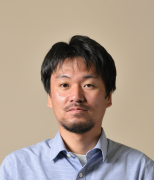
写真a

 
Akira Nishiyama
 
Organization
Graduate School of Medicine Department of Medicine Immunology Associate Professor
School of Medicine Medical Course
Title
Associate Professor
Profile
1992年京都府立大学農学部卒業、1994年京都府立大学大学院農学研究科修士課程修了、1999年京都大学大学院医学研究科博士課程修了、米国国立研究所での留学(2000~2010年)を経て、2010年から現職。転写因子やクロマチンによる遺伝子発現制御を切り口として、血球分化のメカニズムの解明を目指して研究を進めています。
External link

Degree

  • 博士(医学) ( 京都大学 )

Research Interests

  • immunology

  • transcription factor

  • molecular biology

  • omics analysis

  • hematopoiesis

  • gene expression

Research Areas

  • Life Science / Medical biochemistry

Education

  • Kyoto university   Postgraduate course of Medicine

    1995 - 1999

      More details

  • Kyoto prefectural university   Postgraduate course of Agricultural science

    1993 - 1995

      More details

  • Kyoto Prefectural University   Faculty of agriculture   Department of agriculture

    1989 - 1993

      More details

  • 石川県立羽咋高等学校

    1986 - 1989

      More details

Research History

  • Yokohama City University   Associate Professor

    2010

      More details

  • National Institute of Health   National Institute on Aging   Research associate

    2007 - 2010

      More details

  • National Institute of Health   National Institute of Child Health and Human Development   Research fellow

    2005 - 2006

      More details

  • National Institute of Health   National Institute of Child Health and Human Development   Visiting fellow

    2000 - 2005

      More details

Professional Memberships

  • THE JAPANESE SOCIETY OF HEMATOLOGY

      More details

  • THE MOLECULAR BIOLOGY SOCIETY OF JAPAN

      More details

  • 日本エピジェネティクス研究会

      More details

  • JAPANESE SOCIETY FOR IMMUNOLOGY

      More details

Papers

  • Comparative transcriptome atlas as an assistive modality for complex classification of rare kidney cancers Reviewed

    Ryosuke Jikuya, Todd A. Johnson, Erika Muraoka, Go Noguchi, Shigekatsu Maekawa, Wataru Obara, Kazuyuki Numakura, Tomonori Habuchi, Kazuhiro Maejima, Shota Sasagawa, Yuki Kanazashi, Hwajin Lee, Woo Jeung Song, Hajime Sasagawa, Taku Mitome, Shinji Ohtake, Sachi Kawaura, Yasuhiro Iribe, Kota Aomori, Hirotaka Nagasaka, Tomoyuki Tatenuma, Daiki Ueno, Mitsuru Komeya, Hiroki Ito, Yusuke Ito, Kentaro Muraoka, Takashi Kawahara, Mitsuko Furuya, Ikuma Kato, Haruka Hamanoue, Akira Nishiyama, Tomohiko Tamura, Masaya Baba, Toshio Suda, Tatsuhiko Kodama, Takehiko Ogawa, Hiroji Uemura, Masahiro Yao, Toyonori Tsuzuki, Yoji Nagashima, Yuji Miura, Go Kimura, Seiya Imoto, Yukihide Momozawa, Satoshi Fujii, Kazuhide Makiyama, Takanori Hasegawa, Brian M. Shuch, Christopher J. Ricketts, Laura S. Schmidt, W. Marston Linehan, Hidewaki Nakagawa, Hisashi Hasumi

    Nature Communications   16 ( 1 )   2025.11

     More details

    Publishing type:Research paper (scientific journal)   Publisher:Springer Science and Business Media LLC  

    DOI: 10.1038/s41467-025-65303-z

    researchmap

    Other Link: https://www.nature.com/articles/s41467-025-65303-z

  • Regulatory Roles of IGF2R in Insulin Secretion and Adaptive β-Cell Proliferation Reviewed

    Jun Shirakawa, Dario F. De Jesus, Takahiro Tsuno, Giorgio Basile, Ryota Inoue, Tomozumi Takatani, Akira Nishiyama, Erin R. Okawa, Tomohiko Tamura, Yasuo Terauchi, Rohit N. Kulkarni

    Diabetes   74 ( 12 )   2351 - 2364   2025.10

     More details

    Publishing type:Research paper (scientific journal)   Publisher:American Diabetes Association  

    Insulin-like growth factor-2 receptor (IGF2R), also known as cation-independent mannose-6-phosphate receptor, is localized in cytosolic vesicles and is unique in its ability to transport enzymes to the lysosome and to clear IGF2 from the cell surface by acting as a scavenger receptor. To evaluate the direct role of IGF2R in β-cell biology, we undertook complementary in vitro knockdown and in vivo knockout approaches. A β-cell line with a stable knockdown of IGF2R (IGF2RKD) exhibited decreased glucose-induced insulin secretion and enhanced cell proliferation. Tamoxifen-inducible β-cell–specific IGF2R knockout mice exhibited impaired glucose tolerance and blunted insulin secretion after high-fat-diet loading that was likely secondary to reduced β-cell mass due to attenuated proliferation. β-cells with IGF2RKD had fewer autophagosomes after starvation and reduced expression of p62, LC3B, and ULK1. Aged mice also had impaired autophagy in βIGF2R-deficient β-cells. Reduced IGF2R function and N6-methyladenosine (m6A) mRNA methylation were observed in islets from both mouse and human type 2 diabetes. Taken together, these data point to IGF2R as an important regulator of insulin secretion, cell proliferation, and autophagy in mammalian β-cells.

    Article Highlights

    The significance of insulin-like growth factor-2 receptor (IGF2R) in β-cells remains unclear. To assess the physiological role of IGF2R in β-cells, the effects of IGF2R deficiency in vivo and in vitro were investigated. IGF2R modulates insulin secretion, cell proliferation, and autophagy in β-cells. IGF2R plays a role in the regulation of β-cell biology.

    DOI: 10.2337/db25-0215

    researchmap

  • Cis- and trans-regulation of Irf8 enhancers during dendritic cell development Reviewed

    Akira Nishiyama, Tomohiko Tamura

    Experimental Hematology   150   104858 - 104858   2025.10

     More details

    Authorship:Lead author, Corresponding author   Publishing type:Research paper (scientific journal)   Publisher:Elsevier BV  

    DOI: 10.1016/j.exphem.2025.104858

    researchmap

  • High glucose burden disrupts the glucose responsiveness of human pancreatic beta cells encapsulated in alginate fibers during Long-Term culture Reviewed

    Shigeharu G. Yabe, Junko Nishida, Satsuki Fukuda, Tatsuya Kin, Akira Nishiyama, Tomohiko Tamura, Fujie Takeda, Miwa Tamura-Nakano, Jun Shirakawa, Hitoshi Okochi

    Gene   964   149639 - 149639   2025.9

     More details

    Publishing type:Research paper (scientific journal)   Publisher:Elsevier BV  

    DOI: 10.1016/j.gene.2025.149639

    researchmap

  • Imeglimin suppresses glucagon secretion and induces a loss of α cell identity Reviewed

    Takahiro Tsuno, Jinghe Li, Kuniyuki Nishiyama, Yuka Imamura Kawasawa, Ryota Inoue, Esther Ong Yajima, Akira Nishiyama, Shigeharu G. Yabe, Tatsuya Kin, Hitoshi Okochi, Tomohiko Tamura, A.M. James Shapiro, Seiichi Oyadomari, Tadahiro Kitamura, Yasuo Terauchi, Jun Shirakawa

    Cell Reports Medicine   6 ( 8 )   102254 - 102254   2025.8

     More details

    Publishing type:Research paper (scientific journal)   Publisher:Elsevier BV  

    DOI: 10.1016/j.xcrm.2025.102254

    researchmap

  • Tracking clusterin expression in hematopoietic stem cells reveals their heterogeneous composition across the lifespan Reviewed

    Shuhei Koide, Motohiko Oshima, Takahiro Kamiya, Zhiqian Zheng, Zhaoyi Liu, Ola Rizq, Akira Nishiyama, Koichi Murakami, Yuta Yamada, Yaeko Nakajima-Takagi, Bahityar Rahmutulla, Atsushi Kaneda, Kazuaki Yokoyama, Nozomi Yusa, Seiya Imoto, Fumihito Miura, Takashi Ito, Tomohiko Tamura, Claus Nerlov, Masayuki Yamashita, Atsushi Iwama

    Blood   Online ahead of print.   2025.3

     More details

    Publishing type:Research paper (scientific journal)   Publisher:American Society of Hematology  

    Hematopoietic stem cells (HSCs) exhibit significant age-related phenotypic and functional alterations. Although single-cell technologies have elucidated age-related compositional changes, prospective identification of aging-associated HSC subsets has remained challenging. In this study, utilizing Clusterin (Clu)-GFP reporter mice, we demonstrated that Clu expression faithfully marks age-associated myeloid/platelet-biased HSCs throughout life. Clu-GFP expression clearly segregates a novel age-associated HSC subset that overlaps with but is distinct from those previously identified using antibodies against aging maker proteins or reporter systems of aged HSC signature genes. Clu-positive (Clu+) HSCs emerge as a minor population in the fetus and progressively expand with age. Clu+ HSCs display not only an increased propensity for myeloid/platelet-biased differentiation but also a unique behaviour in the BM, favouring self-renewal over differentiation into downstream progenitors. In contrast, Clu-negative (Clu-) HSCs exhibit lineage-balanced differentiation, which predominates in the HSC pool during development but becomes underrepresented as aging progresses. Both subsets maintain long-term self-renewal capabilities even in aged mice but contribute differently to hematopoiesis. The predominant expansion of Clu+ HSCs largely drives the age-related changes observed in the HSC pool. Conversely, Clu- HSCs preserve youthful functionality and molecular characteristics into old age. Consequently, progressive changes in the balance between Clu+ and Clu- HSC subsets account for HSC aging. Our findings establish Clu as a novel marker for identifying aging-associated changes in HSCs and provide a new approach that enables lifelong tracking of the HSC aging process.

    DOI: 10.1182/blood.2024025776

    researchmap

  • HIF1α Plays a Crucial Role in the Development of TFE3-Rearranged Renal Cell Carcinoma by Orchestrating a Metabolic Shift Toward Fatty Acid Synthesis. Reviewed International journal

    Hidekazu Nishizawa, Shintaro Funasaki, Wenjuan Ma, Yoshiaki Kubota, Kazuhide Watanabe, Yuichiro Arima, Shoichiro Kuroda, Takaaki Ito, Mitsuko Furuya, Takanobu Motoshima, Akira Nishiyama, Sally Mehanna, Yorifumi Satou, Hisashi Hasumi, Ryosuke Jikuya, Kazuhide Makiyama, Tomohiko Tamura, Yuichi Oike, Yasuhito Tanaka, Toshio Suda, Laura S Schmidt, W Marston Linehan, Masaya Baba, Tomomi Kamba

    Genes to cells : devoted to molecular & cellular mechanisms   30 ( 1 )   e13195   2025.1

     More details

    Language:English   Publishing type:Research paper (scientific journal)  

    Tumor development often requires cellular adaptation to a unique, high metabolic state; however, the molecular mechanisms that drive such metabolic changes in TFE3-rearranged renal cell carcinoma (TFE3-RCC) remain poorly understood. TFE3-RCC, a rare subtype of RCC, is defined by the formation of chimeric proteins involving the transcription factor TFE3. In this study, we analyzed cell lines and genetically engineered mice, demonstrating that the expression of the chimeric protein PRCC-TFE3 induced a hypoxia-related signature by transcriptionally upregulating HIF1α and HIF2α. The upregulation of HIF1α by PRCC-TFE3 led to increased cellular ATP production by enhancing glycolysis, which also supplied substrates for the TCA cycle while maintaining mitochondrial oxidative phosphorylation. We crossed TFE3-RCC mouse models with Hif1α and/or Hif2α knockout mice and found that Hif1α, rather than Hif2α, is essential for tumor development in vivo. RNA-seq and metabolomic analyses of the kidney tissues from these mice revealed that ketone body production is inversely correlated with tumor development, whereas de novo lipid synthesis is upregulated through the HIF1α/SREBP1-dependent mechanism in TFE3-RCC. Our data suggest that the coordinated metabolic shift via the PRCC-TFE3/HIF1α/SREBP1 axis is a key mechanism by which PRCC-TFE3 enhances cancer cell metabolism, promoting tumor development in TFE3-RCC.

    DOI: 10.1111/gtc.13195

    PubMed

    researchmap

  • SETD2 regulates SLC family transporter-mediated sodium and glucose reabsorptions in renal tubule. Reviewed International journal

    Taku Mitome, Hiromichi Wakui, Kengo Azushima, Tatsuki Uehara, Ryosuke Jikuya, Shinji Ohtake, Go Noguchi, Sachi Kawaura, Yasuhiro Iribe, Kota Aomori, Tomoyuki Tatenuma, Hiroki Ito, Takashi Kawahara, Mitsuru Komeya, Yusuke Ito, Kentaro Muraoka, Mitsuko Furuya, Ikuma Kato, Satoshi Fujii, Kiyotaka Nagahama, Akira Nishiyama, Tomohiko Tamura, Yayoi Kimura, Tatsukata Kawagoe, Nobuhisa Mizuki, Gang Huang, Hiroji Uemura, Masahiro Yao, Kazuhide Makiyama, Kouichi Tamura, Hisashi Hasumi

    Biochemical and biophysical research communications   734   150730 - 150730   2024.11

     More details

    Language:English   Publishing type:Research paper (scientific journal)  

    A regulatory mechanism for SLC family transporters, critical transporters for sodium and glucose reabsorptions in renal tubule, is incompletely understood. Here, we report an important regulation of SLC family transporter by SETD2, a chromatin remodeling gene whose alterations have been found in a subset of kidney cancers. Kidney-specific inactivation of Setd2 resulted in hypovolemia with excessive urine excretion in mouse and interestingly, RNA-sequencing analysis of Setd2-deficient murine kidney exhibited decreased expressions of SLC family transporters, critical transporters for sodium and glucose reabsorptions in renal tubule. Importantly, inactivation of Setd2 in murine kidney displayed attenuated dapagliflozin-induced diuresis and glucose excretion, further supporting that SETD2 might regulate SLCfamily transporter-mediated sodium and glucose reabsorptions in renal tubule. These data uncover an important regulation of SLC family transporter by SETD2, which may illuminate a crosstalk between metabolism and epigenome in renal tubule.

    DOI: 10.1016/j.bbrc.2024.150730

    PubMed

    researchmap

  • STING/RANTES pathway in airway epithelium enhances <i>Der p1</i>‐induced airway inflammation Reviewed

    Mayoko Tsuji, Mitsuko Kondo, Akira Nishiyama, Tomohiko Tamura, Ayako Nakamura‐Ishizu, Miho Koizumi, Hiroaki Honda, Etsuko Tagaya

    Allergy   79 ( 7 )   2008 - 2011   2024.6

     More details

    Publishing type:Research paper (scientific journal)   Publisher:Wiley  

    DOI: 10.1111/all.16173

    researchmap

  • Egr2 drives the differentiation of Ly6Chi monocytes into fibrosis-promoting macrophages in metabolic dysfunction-associated steatohepatitis in mice Reviewed

    Ayaka Iwata, Juri Maruyama, Shibata Natsuki, Akira Nishiyama, Tomohiko Tamura, Minoru Tanaka, Shigeyuki Shichino, Takao Seki, Toshihiko Komai, Tomohisa Okamura, Keishi Fujio, Masato Tanaka, Kenichi Asano

    Communications Biology   7 ( 1 )   2024.6

     More details

    Publishing type:Research paper (scientific journal)   Publisher:Springer Science and Business Media LLC  

    Abstract

    Metabolic dysfunction-associated steatohepatitis (MASH), previously called non-alcoholic steatohepatitis (NASH), is a growing concern worldwide, with liver fibrosis being a critical determinant of its prognosis. Monocyte-derived macrophages have been implicated in MASH-associated liver fibrosis, yet their precise roles and the underlying differentiation mechanisms remain elusive. In this study, we unveil a key orchestrator of this process: long chain saturated fatty acid-Egr2 pathway. Our findings identify the transcription factor Egr2 as the driving force behind monocyte differentiation into hepatic lipid-associated macrophages (hLAMs) within MASH liver. Notably, Egr2-deficiency reroutes monocyte differentiation towards a macrophage subset resembling resident Kupffer cells, hampering hLAM formation. This shift has a profound impact, suppressing the transition from benign steatosis to liver fibrosis, demonstrating the critical pro-fibrotic role played by hLAMs in MASH pathogenesis. Long-chain saturated fatty acids that accumulate in MASH liver emerge as potent inducers of Egr2 expression in macrophages, a process counteracted by unsaturated fatty acids. Furthermore, oral oleic acid administration effectively reduces hLAMs in MASH mice. In conclusion, our work not only elucidates the intricate interplay between saturated fatty acids, Egr2, and monocyte-derived macrophages but also highlights the therapeutic promise of targeting the saturated fatty acid-Egr2 axis in monocytes for MASH management.

    DOI: 10.1038/s42003-024-06357-5

    researchmap

    Other Link: https://www.nature.com/articles/s42003-024-06357-5

  • Physical and functional interaction among Irf8 enhancers during dendritic cell differentiation Reviewed

    Takaya Yamasaki, Akira Nishiyama, Nagomi Kurogi, Koutarou Nishimura, Shion Nishida, Daisuke Kurotaki, Tatsuma Ban, Jordan A. Ramilowski, Keiko Ozato, Atsushi Toyoda, Tomohiko Tamura

    Cell Reports   43 ( 4 )   114107 - 114107   2024.4

     More details

    Authorship:Lead author   Publishing type:Research paper (scientific journal)   Publisher:Elsevier BV  

    DOI: 10.1016/j.celrep.2024.114107

    researchmap

  • Context-Dependent Modification of PFKFB3 in Hematopoietic Stem Cells Promotes Anaerobic Glycolysis and Ensures Stress Hematopoiesis Reviewed

    Shintaro Watanuki, Hiroshi Kobayashi, Yuki Sugiura, Masamichi Yamamoto, Daiki Karigane, Kohei Shiroshita, Yuriko Sorimachi, Shuhei Koide, Motohiko Oshima, Akira Nishiyama, Koichi Murakami, Miho Haraguchi, Shinpei Tamaki, Takehiro Yamamoto, Tomohiro Yabushita, Yosuke Tanaka, Hiroaki Honda, Shinichiro Okamoto, Nobuhito Goda, Tomohiko Tamura, Ayako Nakamura-Ishizu, Makoto Suematsu, Atsushi Iwama, Toshio Suda, Keiyo Takubo

    eLife   2023.5

     More details

    Publisher:eLife Sciences Publications, Ltd  

    Metabolic pathways are plastic and rapidly change in response to stress or perturbation. Current metabolic profiling techniques require lysis of many cells, complicating the tracking of metabolic changes over time after stress in rare cells such as hematopoietic stem cells (HSCs). Here, we aimed to identify the key metabolic enzymes that define metabolic differences between steady-state and stress conditions in HSCs and elucidate their regulatory mechanisms. Through quantitative 13C metabolic flux analysis of glucose metabolism using high-sensitivity glucose tracing and mathematical modeling, we found that HSCs activate the glycolytic rate-limiting enzyme phosphofructokinase (PFK) during proliferation and oxidative phosphorylation (OXPHOS) inhibition. Real-time measurement of adenosine triphosphate (ATP) levels in single HSCs demonstrated that proliferative stress or OXPHOS inhibition led to accelerated glycolysis via increased activity of PFKFB3, the enzyme regulating an allosteric PFK activator, within seconds to meet ATP requirements. Furthermore, varying stresses differentially activated PFKFB3 via PRMT1-dependent methylation during proliferative stress and via AMPK-dependent phosphorylation during OXPHOS inhibition. Overexpression of Pfkfb3 induced HSC proliferation and promoted differentiated cell production, whereas inhibition or loss of Pfkfb3 suppressed them. This study reveals the flexible and multilayered regulation of HSC metabolism to sustain hematopoiesis under stress and provides techniques to better understand the physiological metabolism of rare hematopoietic cells.

    Combined isotope tracing, mathematical modeling, and single cell ATP analysis enable high-resolution evaluation of blood cell metabolism.

    Under stress, HSCs quickly accelerate glycolysis to meet ATP demands and maintain hematopoiesis via context-dependent PFKFB3 activation.

    DOI: 10.7554/elife.87674.1

    researchmap

  • The early neutrophil-committed progenitors aberrantly differentiate into immunoregulatory monocytes during emergency myelopoiesis Reviewed

    Naoki Ikeda, Hiroaki Kubota, Risa Suzuki, Mitsuki Morita, Ayana Yoshimura, Yuya Osada, Keigo Kishida, Daiki Kitamura, Ayaka Iwata, Satoshi Yotsumoto, Daisuke Kurotaki, Koutarou Nishimura, Akira Nishiyama, Tomohiko Tamura, Takashi Kamatani, Tatsuhiko Tsunoda, Miyako Murakawa, Yasuhiro Asahina, Yoshihiro Hayashi, Hironori Harada, Yuka Harada, Asumi Yokota, Hideyo Hirai, Takao Seki, Makoto Kuwahara, Masakatsu Yamashita, Shigeyuki Shichino, Masato Tanaka, Kenichi Asano

    Cell Reports   42 ( 3 )   112165 - 112165   2023.3

     More details

    Publishing type:Research paper (scientific journal)   Publisher:Elsevier BV  

    DOI: 10.1016/j.celrep.2023.112165

    researchmap

  • Switching defective/sucrose non-fermenting chromatin remodeling complex coordinates meiotic gene activation via promoter remodeling and Meiosin activation in female germline. Reviewed International journal

    Toshiaki Ito, Masami Ohta, Atsuki Osada, Akira Nishiyama, Kei-Ichiro Ishiguro, Tomohiko Tamura, Yoichi Sekita, Tohru Kimura

    Genes to cells : devoted to molecular & cellular mechanisms   2022.11

     More details

    Language:English   Publishing type:Research paper (scientific journal)  

    In mammals, primordial germ cells (PGCs) enter meiosis and differentiate into primary oocytes in embryonic ovaries. Previously, we demonstrated that meiotic gene induction and meiotic initiation were impaired in female germline cells of conditional knockout (CKO) mice lacking the Smarcb1 (Snf5) gene, which encodes a core subunit of the switching defective/sucrose non-fermenting (SWI/SNF) complex. In this study, we classified meiotic genes expressed at lower levels in Snf5 CKO females into two groups based on promoter accessibility. The promoters of 74% of these genes showed lower accessibility in mutant mice, whereas those of the remaining genes were opened without the SWI/SNF complex. Notably, the former genes included Meiosin, which encodes a transcriptional regulator essential for meiotic gene activation. The promoters of the former and the latter genes were mainly modified with H3K27me3/bivalent and H3K4me3 histone marks, respectively. A subset of the former genes was precociously activated in female PGCs deficient in polycomb repressive complexes (PRCs). Our results point to a mechanism through which the SWI/SNF complex coordinates meiotic gene activation via the remodeling of PRC-repressed genes, including Meiosin, in female germline cells.

    DOI: 10.1111/gtc.12990

    PubMed

    researchmap

  • Chromatin structure undergoes global and local reorganization during murine dendritic cell development and activation. Reviewed International journal

    Daisuke Kurotaki, Kenta Kikuchi, Kairong Cui, Wataru Kawase, Keita Saeki, Junpei Fukumoto, Akira Nishiyama, Kisaburo Nagamune, Keji Zhao, Keiko Ozato, Pedro P Rocha, Tomohiko Tamura

    Proceedings of the National Academy of Sciences of the United States of America   119 ( 34 )   e2207009119   2022.8

     More details

    Language:English   Publishing type:Research paper (scientific journal)  

    Classical dendritic cells (cDCs) are essential for immune responses and differentiate from hematopoietic stem cells via intermediate progenitors, such as monocyte-DC progenitors (MDPs) and common DC progenitors (CDPs). Upon infection, cDCs are activated and rapidly express host defense-related genes, such as those encoding cytokines and chemokines. Chromatin structures, including nuclear compartments and topologically associating domains (TADs), have been implicated in gene regulation. However, the extent and dynamics of their reorganization during cDC development and activation remain unknown. In this study, we comprehensively determined higher-order chromatin structures by Hi-C in DC progenitors and cDC subpopulations. During cDC differentiation, chromatin activation was initially induced at the MDP stage. Subsequently, a shift from inactive to active nuclear compartments occurred at the cDC gene loci in CDPs, which was followed by increased intra-TAD interactions and loop formation. Mechanistically, the transcription factor IRF8, indispensable for cDC differentiation, mediated chromatin activation and changes into the active compartments in DC progenitors, thereby possibly leading to cDC-specific gene induction. Using an infection model, we found that the chromatin structures of host defense-related gene loci were preestablished in unstimulated cDCs, indicating that the formation of higher-order chromatin structures prior to infection may contribute to the rapid responses to pathogens. Overall, these results suggest that chromatin structure reorganization is closely related to the establishment of cDC-specific gene expression and immune functions. This study advances the fundamental understanding of chromatin reorganization in cDC differentiation and activation.

    DOI: 10.1073/pnas.2207009119

    PubMed

    researchmap

  • Single-cell transcriptomes underscore genetically distinct tumor characteristics and microenvironment for hereditary kidney cancers Reviewed

    Ryosuke Jikuya, Koichi Murakami, Akira Nishiyama, Ikuma Kato, Mitsuko Furuya, Jun Nakabayashi, Jordan A. Ramilowski, Haruka Hamanoue, Kazuhiro Maejima, Masashi Fujita, Taku Mitome, Shinji Ohtake, Go Noguchi, Sachi Kawaura, Hisakazu Odaka, Takashi Kawahara, Mitsuru Komeya, Risa Shinoki, Daiki Ueno, Hiroki Ito, Yusuke Ito, Kentaro Muraoka, Narihiko Hayashi, Keiichi Kondo, Noboru Nakaigawa, Koji Hatano, Masaya Baba, Toshio Suda, Tatsuhiko Kodama, Satoshi Fujii, Kazuhide Makiyama, Masahiro Yao, Brian M. Shuch, Laura S. Schmidt, W. Marston Linehan, Hidewaki Nakagawa, Tomohiko Tamura, Hisashi Hasumi

    iScience   25 ( 6 )   104463 - 104463   2022.6

     More details

    Publishing type:Research paper (scientific journal)   Publisher:Elsevier BV  

    DOI: 10.1016/j.isci.2022.104463

    researchmap

  • MDS cells impair osteolineage differentiation of MSCs via extracellular vesicles to suppress normal hematopoiesis. Reviewed International journal

    Yasutaka Hayashi, Kimihito C Kawabata, Yosuke Tanaka, Yasufumi Uehara, Yo Mabuchi, Koichi Murakami, Akira Nishiyama, Shigeru Kiryu, Yusuke Yoshioka, Yasunori Ota, Tatsuki Sugiyama, Keiko Mikami, Moe Tamura, Tsuyoshi Fukushima, Shuhei Asada, Reina Takeda, Yuya Kunisaki, Tomofusa Fukuyama, Kazuaki Yokoyama, Tomoyuki Uchida, Masao Hagihara, Nobuhiro Ohno, Kensuke Usuki, Arinobu Tojo, Yoshio Katayama, Susumu Goyama, Fumio Arai, Tomohiko Tamura, Takashi Nagasawa, Takahiro Ochiya, Daichi Inoue, Toshio Kitamura

    Cell reports   39 ( 6 )   110805 - 110805   2022.5

     More details

    Language:English   Publishing type:Research paper (scientific journal)  

    Myelodysplastic syndrome (MDS) is a clonal disorder of hematopoietic stem cells (HSCs), characterized by ineffective hematopoiesis and frequent progression to leukemia. It has long remained unresolved how MDS cells, which are less proliferative, inhibit normal hematopoiesis and eventually dominate the bone marrow space. Despite several studies implicating mesenchymal stromal or stem cells (MSCs), a principal component of the HSC niche, in the inhibition of normal hematopoiesis, the molecular mechanisms underlying this process remain unclear. Here, we demonstrate that both human and mouse MDS cells perturb bone metabolism by suppressing the osteolineage differentiation of MSCs, which impairs the ability of MSCs to support normal HSCs. Enforced MSC differentiation rescues the suppressed normal hematopoiesis in both in vivo and in vitro MDS models. Intriguingly, the suppression effect is reversible and mediated by extracellular vesicles (EVs) derived from MDS cells. These findings shed light on the novel MDS EV-MSC axis in ineffective hematopoiesis.

    DOI: 10.1016/j.celrep.2022.110805

    PubMed

    researchmap

  • SWI/SNF chromatin remodeling complex is required for initiation of sex-dependent differentiation in mouse germline. Reviewed International journal

    Toshiaki Ito, Atsuki Osada, Masami Ohta, Kana Yokota, Akira Nishiyama, Yuichi Niikura, Tomohiko Tamura, Yoichi Sekita, Tohru Kimura

    Scientific reports   11 ( 1 )   24074 - 24074   2021.12

     More details

    Language:English   Publishing type:Research paper (scientific journal)  

    Sexual reproduction involves the creation of sex-dependent gametes, oocytes and sperm. In mammals, sexually dimorphic differentiation commences in the primordial germ cells (PGCs) in embryonic gonads; PGCs in ovaries and testes differentiate into meiotic primary oocytes and mitotically quiescent prospermatogonia, respectively. Here, we show that the transition from PGCs to sex-specific germ cells was abrogated in conditional knockout mice carrying a null mutation of Smarcb1 (also known as Snf5) gene, which encodes a core subunit of the SWI/SNF chromatin remodeling complex. In female mutant mice, failure to upregulate meiosis-related genes resulted in impaired meiotic entry and progression, including defects in synapsis formation and DNA double strand break repair. Mutant male mice exhibited delayed mitotic arrest and DNA hypomethylation in retrotransposons and imprinted genes, resulting from aberrant expression of genes related to growth and de novo DNA methylation. Collectively, our results demonstrate that the SWI/SNF complex is required for transcriptional reprogramming in the initiation of sex-dependent differentiation of germ cells.

    DOI: 10.1038/s41598-021-03538-8

    PubMed

    researchmap

  • Genetic and chemical inhibition of IRF5 suppresses pre-existing mouse lupus-like disease Reviewed

    Tatsuma Ban, Masako Kikuchi, Go R. Sato, Akio Manabe, Noriko Tagata, Kayo Harita, Akira Nishiyama, Kenichi Nishimura, Ryusuke Yoshimi, Yohei Kirino, Hideyuki Yanai, Yoshiko Matsumoto, Shuichi Suzuki, Hiroe Hihara, Masashi Ito, Kappei Tsukahara, Kentaro Yoshimatsu, Tadashi Yamamoto, Tadatsugu Taniguchi, Hideaki Nakajima, Shuichi Ito, Tomohiko Tamura

    Nature Communications   12 ( 1 )   2021.12

     More details

    Publishing type:Research paper (scientific journal)   Publisher:Springer Science and Business Media LLC  

    <title>Abstract</title>The transcription factor IRF5 has been implicated as a therapeutic target for the autoimmune disease systemic lupus erythematosus (SLE). However, IRF5 activation status during the disease course and the effects of IRF5 inhibition after disease onset are unclear. Here, we show that SLE patients in both the active and remission phase have aberrant activation of IRF5 and interferon-stimulated genes. Partial inhibition of IRF5 is superior to full inhibition of type I interferon signaling in suppressing disease in a mouse model of SLE, possibly due to the function of IRF5 in oxidative phosphorylation. We further demonstrate that inhibition of IRF5 via conditional <italic>Irf5</italic> deletion and a newly developed small-molecule inhibitor of IRF5 after disease onset suppresses disease progression and is effective for maintenance of remission in mice. These results suggest that IRF5 inhibition might overcome the limitations of current SLE therapies, thus promoting drug discovery research on IRF5 inhibitors.

    DOI: 10.1038/s41467-021-24609-4

    researchmap

    Other Link: http://www.nature.com/articles/s41467-021-24609-4

  • Compromised anti-tumor-immune features of myeloid cell components in chronic myeloid leukemia patients. Reviewed International journal

    Ibuki Harada, Haruka Sasaki, Koichi Murakami, Akira Nishiyama, Jun Nakabayashi, Motohide Ichino, Takuya Miyazaki, Ken Kumagai, Kenji Matsumoto, Maki Hagihara, Wataru Kawase, Takayoshi Tachibana, Masatsugu Tanaka, Tomoyuki Saito, Heiwa Kanamori, Hiroyuki Fujita, Shin Fujisawa, Hideaki Nakajima, Tomohiko Tamura

    Scientific reports   11 ( 1 )   18046 - 18046   2021.9

     More details

    Language:English   Publishing type:Research paper (scientific journal)  

    Chronic myeloid leukemia (CML) is a form of myeloproliferative neoplasm caused by the oncogenic tyrosine kinase BCR-ABL. Although tyrosine kinase inhibitors have dramatically improved the prognosis of patients with CML, several problems such as resistance and recurrence still exist. Immunological control may contribute to solving these problems, and it is important to understand why CML patients fail to spontaneously develop anti-tumor immunity. Here, we show that differentiation of conventional dendritic cells (cDCs), which are vital for anti-tumor immunity, is restricted from an early stage of hematopoiesis in CML. In addition, we found that monocytes and basophils, which are increased in CML patients, express high levels of PD-L1, an immune checkpoint molecule that inhibits T cell responses. Moreover, RNA-sequencing analysis revealed that basophils express genes related to poor prognosis in CML. Our data suggest that BCR-ABL not only disrupts the "accelerator" (i.e., cDCs) but also applies the "brake" (i.e., monocytes and basophils) of anti-tumor immunity, compromising the defense against CML cells.

    DOI: 10.1038/s41598-021-97371-8

    PubMed

    researchmap

  • A RUNX–CBFβ-driven enhancer directs the Irf8 dose-dependent lineage choice between DCs and monocytes Reviewed International journal

    Koichi Murakami, Haruka Sasaki, Akira Nishiyama, Daisuke Kurotaki, Wataru Kawase, Tatsuma Ban, Jun Nakabayashi, Satoko Kanzaki, Yoichi Sekita, Hideaki Nakajima, Keiko Ozato, Tohru Kimura, Tomohiko Tamura

    Nature Immunology   22 ( 3 )   301 - 311   2021.3

     More details

    Authorship:Lead author, Corresponding author   Language:English   Publishing type:Research paper (scientific journal)   Publisher:Springer Science and Business Media LLC  

    The transcription factor IRF8 is essential for the development of monocytes and dendritic cells (DCs), whereas it inhibits neutrophilic differentiation. It is unclear how Irf8 expression is regulated and how this single transcription factor supports the generation of both monocytes and DCs. Here, we identified a RUNX-CBFβ-driven enhancer 56 kb downstream of the Irf8 transcription start site. Deletion of this enhancer in vivo significantly decreased Irf8 expression throughout the myeloid lineage from the progenitor stages, thus resulting in loss of common DC progenitors and overproduction of Ly6C+ monocytes. We demonstrated that high, low or null expression of IRF8 in hematopoietic progenitor cells promotes differentiation toward type 1 conventional DCs, Ly6C+ monocytes or neutrophils, respectively, via epigenetic regulation of distinct sets of enhancers in cooperation with other transcription factors. Our results illustrate the mechanism through which IRF8 controls the lineage choice in a dose-dependent manner within the myeloid cell system.

    DOI: 10.1038/s41590-021-00871-y

    PubMed

    researchmap

    Other Link: http://www.nature.com/articles/s41590-021-00871-y

  • Astrocytic phagocytosis is a compensatory mechanism for microglial dysfunction Reviewed International journal

    Hiroyuki Konishi, Takayuki Okamoto, Yuichiro Hara, Okiru Komine, Hiromi Tamada, Mitsuyo Maeda, Fumika Osako, Masaaki Kobayashi, Akira Nishiyama, Yosky Kataoka, Toshiyuki Takai, Nobuyuki Udagawa, Steffen Jung, Keiko Ozato, Tomohiko Tamura, Makoto Tsuda, Koji Yamanaka, Tomoo Ogi, Katsuaki Sato, Hiroshi Kiyama

    The EMBO Journal   39 ( 22 )   e104464   2020.11

     More details

    Language:English   Publishing type:Research paper (scientific journal)   Publisher:EMBO  

    Microglia are the principal phagocytes that clear cell debris in the central nervous system (CNS). This raises the question, which cells remove cell debris when microglial phagocytic activity is impaired. We addressed this question using Siglechdtr mice, which enable highly specific ablation of microglia. Non-microglial mononuclear phagocytes, such as CNS-associated macrophages and circulating inflammatory monocytes, did not clear microglial debris. Instead, astrocytes were activated, exhibited a pro-inflammatory gene expression profile, and extended their processes to engulf microglial debris. This astrocytic phagocytosis was also observed in Irf8-deficient mice, in which microglia were present but dysfunctional. RNA-seq demonstrated that even in a healthy CNS, astrocytes express TAM phagocytic receptors, which were the main astrocytic phagocytic receptors for cell debris in the above experiments, indicating that astrocytes stand by in case of microglial impairment. This compensatory mechanism may be important for the maintenance or prolongation of a healthy CNS.

    DOI: 10.15252/embj.2020104464

    PubMed

    researchmap

    Other Link: https://onlinelibrary.wiley.com/doi/full-xml/10.15252/embj.2020104464

  • Epigenetic control of early dendritic cell lineage specification by the transcription factor IRF8 in mice. Reviewed International journal

    Daisuke Kurotaki, Wataru Kawase, Haruka Sasaki, Jun Nakabayashi, Akira Nishiyama, Herbert C Morse 3rd, Keiko Ozato, Yutaka Suzuki, Tomohiko Tamura

    Blood   133 ( 17 )   1803 - 1813   2019.4

     More details

    Language:English   Publishing type:Research paper (scientific journal)  

    Dendritic cells (DCs), which are vital for immune responses, are derived from bone marrow hematopoietic stem cells via common DC progenitors (CDPs). DC lineage fate decisions occurring at stages much earlier than CDPs have recently been recognized, yet the mechanism remains elusive. By single-cell RNA-sequencing, in vivo cell transfer experiments, and an assay for transposase-accessible chromatin sequencing using wild-type, IRF8-GFP chimera knock-in or IRF8-knockout mice, we demonstrate that IRF8 regulates chromatin at the lymphoid-primed multipotent progenitor (LMPP) stage to induce early commitment toward DCs. A low but significant expression of IRF8, a transcription factor essential for DC and monocyte development, was initiated in a subpopulation within LMPPs. These IRF8+ LMPPs were derived from IRF8- LMPPs and predominantly produced DCs, especially classical DC1s, potentially via known progenitors, such as monocyte-DC progenitors, CDPs, and preclassical DCs. IRF8+ LMPPs did not generate significant numbers of monocytes, neutrophils, or lymphocytes. Although IRF8- and IRF8+ LMPPs displayed very similar global gene expression patterns, the chromatin of enhancers near DC lineage genes was more accessible in IRF8+ LMPPs than in IRF8- LMPPs, an epigenetic change dependent on IRF8. The majority of the genes epigenetically primed by IRF8 were still transcriptionally inactive at the LMPP stage, but were highly expressed in the downstream DC lineage populations such as CDPs. Therefore, early expression of the key transcription factor IRF8 changes chromatin states in otherwise multipotent progenitors, biasing their fate decision toward DCs.

    DOI: 10.1182/blood-2018-06-857789

    PubMed

    researchmap

  • BRD4 directs hematopoietic stem cell development and modulates macrophage inflammatory responses. Reviewed

    Dey A, Yang W, Gegonne A, Nishiyama A, Pan R, Yagi R, Grinberg A, Finkelman FD, Pfeifer K, Zhu J, Singer D, Zhu J, Ozato K

    EMBO J   38 ( 7 )   e100293   2019.4

     More details

    Language:English   Publishing type:Research paper (scientific journal)  

    DOI: 10.15252/embj.2018100293

    researchmap

  • Transcription Factor IRF8 Governs Enhancer Landscape Dynamics in Mononuclear Phagocyte Progenitors. Reviewed International journal

    Daisuke Kurotaki, Jun Nakabayashi, Akira Nishiyama, Haruka Sasaki, Wataru Kawase, Naofumi Kaneko, Kyoko Ochiai, Kazuhiko Igarashi, Keiko Ozato, Yutaka Suzuki, Tomohiko Tamura

    Cell reports   22 ( 10 )   2628 - 2641   2018.3

     More details

    Language:English   Publishing type:Research paper (scientific journal)  

    Monocytes and dendritic cells (DCs), mononuclear phagocytes essential for immune responses, develop from hematopoietic stem cells via monocyte-DC progenitors (MDPs). The molecular basis of their development remains unclear. Because promoter-distal enhancers are key to cell fate decisions, we analyzed enhancer landscapes during mononuclear phagocyte development in vivo. Monocyte- and DC-specific enhancers were gradually established at progenitor stages before the expression of associated genes. Of the transcription factors predicted to bind to these enhancers, IRF8, essential for monocyte and DC development, was found to be required for the establishment of these enhancers, particularly those common to both monocyte and DC lineages. Although Irf8-/- mononuclear phagocyte progenitors, including MDPs, displayed grossly normal gene expression patterns, their enhancer landscapes resembled that of an upstream progenitor population. Our results illustrate the dynamic process by which key transcription factors regulate enhancer formation and, therefore, direct future gene expression to achieve mononuclear phagocyte development.

    DOI: 10.1016/j.celrep.2018.02.048

    PubMed

    researchmap

  • BRD4 regulates adiponectin gene induction by recruiting the P-TEFb complex to the transcribed region of the gene Reviewed

    Naoko Sakurai, Yuko Inamochi, Takuya Inoue, Natsuyo Hariya, Musashi Kawamura, Masami Yamada, Anup Dey, Akira Nishiyama, Takeo Kubota, Keiko Ozato, Toshinao Goda, Kazuki Mochizuki

    SCIENTIFIC REPORTS   7 ( 1 )   11962   2017.9

     More details

    Language:English   Publishing type:Research paper (scientific journal)  

    DOI: 10.1038/s41598-017-12342-2

    Web of Science

    researchmap

  • Biallelic TBCD Mutations Cause Early-Onset Neurodegenerative Encephalopathy. Reviewed International journal

    Noriko Miyake, Ryoko Fukai, Chihiro Ohba, Takahiro Chihara, Masayuki Miura, Hiroshi Shimizu, Akiyoshi Kakita, Eri Imagawa, Masaaki Shiina, Kazuhiro Ogata, Jiu Okuno-Yuguchi, Noboru Fueki, Yoshifumi Ogiso, Hiroshi Suzumura, Yoshiyuki Watabe, George Imataka, Huey Yin Leong, Aviva Fattal-Valevski, Uri Kramer, Satoko Miyatake, Mitsuhiro Kato, Nobuhiko Okamoto, Yoshinori Sato, Satomi Mitsuhashi, Ichizo Nishino, Naofumi Kaneko, Akira Nishiyama, Tomohiko Tamura, Takeshi Mizuguchi, Mitsuko Nakashima, Fumiaki Tanaka, Hirotomo Saitsu, Naomichi Matsumoto

    American journal of human genetics   99 ( 4 )   950 - 961   2016.10

     More details

    Language:English   Publishing type:Research paper (scientific journal)  

    We describe four families with affected siblings showing unique clinical features: early-onset (before 1 year of age) progressive diffuse brain atrophy with regression, postnatal microcephaly, postnatal growth retardation, muscle weakness/atrophy, and respiratory failure. By whole-exome sequencing, we identified biallelic TBCD mutations in eight affected individuals from the four families. TBCD encodes TBCD (tubulin folding co-factor D), which is one of five tubulin-specific chaperones playing a pivotal role in microtubule assembly in all cells. A total of seven mutations were found: five missense mutations, one nonsense, and one splice site mutation resulting in a frameshift. In vitro cell experiments revealed the impaired binding between most mutant TBCD proteins and ARL2, TBCE, and β-tubulin. The in vivo experiments using olfactory projection neurons in Drosophila melanogaster indicated that the TBCD mutations caused loss of function. The wide range of clinical severity seen in this neurodegenerative encephalopathy may result from the residual function of mutant TBCD proteins. Furthermore, the autopsied brain from one deceased individual showed characteristic neurodegenerative findings: cactus and somatic sprout formations in the residual Purkinje cells in the cerebellum, which are also seen in some diseases associated with mitochondrial impairment. Defects of microtubule formation caused by TBCD mutations may underlie the pathomechanism of this neurodegenerative encephalopathy.

    DOI: 10.1016/j.ajhg.2016.08.005

    PubMed

    researchmap

  • Transcription elongation factor Brd4-P-TEFb accelerates intestinal differentiation-associated SLC2A5 gene expression Reviewed

    Yuko Inamochi, Anup Dey, Akira Nishiyama, Takeo Kubota, Keiko Ozato, Toshinao Goda, Kazuki Mochizuki

    Biochemistry and Biophysics Reports   7   150 - 156   2016.9

     More details

    Language:English   Publishing type:Research paper (scientific journal)   Publisher:Elsevier B.V.  

    DOI: 10.1016/j.bbrep.2016.05.016

    Scopus

    researchmap

  • Lyn Kinase Suppresses the Transcriptional Activity of IRF5 in the TLR-MyD88 Pathway to Restrain the Development of Autoimmunity Reviewed

    Tatsuma Ban, Go R. Sato, Akira Nishiyama, Ai Akiyama, Marie Takasuna, Marina Umehara, Shinsuke Suzuki, Motohide Ichino, Satoko Matsunaga, Ayuko Kimura, Yayoi Kimura, Hideyuki Yanai, Sadakazu Miyashita, Junro Kuromitsu, Kappei Tsukahara, Kentaro Yoshimatsu, Itaru Endo, Tadashi Yamamoto, Hisashi Hirano, Akihide Ryo, Tadatsugu Taniguchi, Tomohiko Tamura

    IMMUNITY   45 ( 2 )   319 - 332   2016.8

     More details

    Language:English   Publishing type:Research paper (scientific journal)  

    DOI: 10.1016/j.immuni.2016.07.015

    Web of Science

    researchmap

  • A critical link between Lyn-mediated suppression of the TLR-MyD88-IRF5 pathway and the development of SLE-like disease Reviewed

    Ban Tatsuma, Sato Go, Nishiyama Akira, Al Akiyama, Takasuna Marie, Umehara Marina, Suzuki Shinsuke, Ichino Motohide, Matsunaga Satoko, Kimura Ayuko, Kimura Yayoi, Yanai Hideyuki, Miyashita Sadakazu, Kuromitsu Junro, Tsukahara Kappei, Yoshimatsu Kentaro, Endo Itaru, Yamamoto Tadashi, Hirano Hisashi, Ryo Akihide, Taniguchi Tadatsugu, Tamura Tomohiko

    JOURNAL OF IMMUNOLOGY   196   2016.5

  • Generation and gene expression profiling of 48 transcription-factor-inducible mouse embryonic stem cell lines Reviewed

    Kohei Yamamizu, Alexei A. Sharov, Yulan Piao, Misa Amano, Hong Yu, Akira Nishiyama, Dawood B. Dudekula, David Schlessinger, Minoru S. H. Ko

    SCIENTIFIC REPORTS   6   25667   2016.5

     More details

    Language:English   Publishing type:Research paper (scientific journal)  

    DOI: 10.1038/srep25667

    Web of Science

    researchmap

  • 転写因子によるミエロイド系細胞の分化制御

    田村 智彦, 西山 晃

    日本臨牀   74 ( 増刊号10 )   481 - 486   2016

     More details

    Language:Japanese  

    researchmap

  • Transcription factor IRF8 plays a critical role in the development of murine basophils and mast cells Reviewed

    Haruka Sasaki, Daisuke Kurotaki, Naoki Osato, Hideaki Sato, Izumi Sasaki, Shin-ichi Koizumi, Hongsheng Wang, Chika Kaneda, Akira Nishiyama, Tsuneyasu Kaisho, Hiroyuki Aburatani, Herbert C. Morse, Keiko Ozato, Tomohiko Tamura

    BLOOD   125 ( 2 )   358 - 369   2015.1

     More details

    Language:English   Publishing type:Research paper (scientific journal)  

    DOI: 10.1182/blood-2014-02-557983

    Web of Science

    researchmap

  • IRF8 inhibits C/EBP alpha activity to restrain mononuclear phagocyte progenitors from differentiating into neutrophils Reviewed

    Daisuke Kurotaki, Michio Yamamoto, Akira Nishiyama, Kazuhiro Uno, Tatsuma Ban, Motohide Ichino, Haruka Sasaki, Satoko Matsunaga, Masahiro Yoshinari, Akihide Ryo, Masatoshi Nakazawa, Keiko Ozato, Tomohiko Tamura

    NATURE COMMUNICATIONS   5   4978   2014.9

     More details

    Language:English   Publishing type:Research paper (scientific journal)  

    DOI: 10.1038/ncomms5978

    Web of Science

    researchmap

  • Chromatin Properties of Regulatory DNA Probed by Manipulation of Transcription Factors Reviewed

    Alexei A. Sharov, Akira Nishiyama, Yong Qian, Dawood B. Dudekula, Dan L. Longo, David Schlessinger, Minoru S. H. Ko

    JOURNAL OF COMPUTATIONAL BIOLOGY   21 ( 8 )   569 - 577   2014.8

     More details

    Language:English   Publishing type:Research paper (scientific journal)  

    DOI: 10.1089/cmb.2013.0126

    Web of Science

    researchmap

  • Transcription factor IRF5 drives P2X4R(+)-reactive microglia gating neuropathic pain Reviewed

    Takahiro Masuda, Shosuke Iwamoto, Ryohei Yoshinaga, Hidetoshi Tozaki-Saitoh, Akira Nishiyama, Tak W. Mak, Tomohiko Tamura, Makoto Tsuda, Kazuhide Inoue

    NATURE COMMUNICATIONS   5   3771   2014.5

     More details

    Language:English   Publishing type:Research paper (scientific journal)  

    DOI: 10.1038/ncomms4771

    Web of Science

    researchmap

  • The Transcription Factor IRF8 Counteracts BCR-ABL to Rescue Dendritic Cell Development in Chronic Myelogenous Leukemia Reviewed

    Tomoya Watanabe, Chie Hotta, Shin-ichi Koizumi, Kazuho Miyashita, Jun Nakabayashi, Daisuke Kurotaki, Go R. Sato, Michio Yamamoto, Masatoshi Nakazawa, Hiroyuki Fujita, Rika Sakai, Shin Fujisawa, Akira Nishiyama, Zenro Ikezawa, Michiko Aihara, Yoshiaki Ishigatsubo, Tomohiko Tamura

    CANCER RESEARCH   73 ( 22 )   6642 - 6653   2013.11

     More details

    Language:English   Publishing type:Research paper (scientific journal)  

    DOI: 10.1158/0008-5472.CAN-13-0802

    Web of Science

    researchmap

  • Essential role of the IRF8-KLF4 transcription factor cascade in murine monocyte differentiation Reviewed

    Daisuke Kurotaki, Naoki Osato, Akira Nishiyama, Michio Yamamoto, Tatsuma Ban, Hideaki Sato, Jun Nakabayashi, Marina Umehara, Noriko Miyake, Naomichi Matsumoto, Masatoshi Nakazawa, Keiko Ozato, Tomohiko Tamura

    BLOOD   121 ( 10 )   1839 - 1849   2013.3

     More details

    Language:English   Publishing type:Research paper (scientific journal)  

    DOI: 10.1182/blood-2012-06-437863

    Web of Science

    researchmap

  • Systematic repression of transcription factors reveals limited patterns of gene expression changes in ES cells. Reviewed International journal

    Akira Nishiyama, Alexei A Sharov, Yulan Piao, Misa Amano, Tomokazu Amano, Hien G Hoang, Bernard Y Binder, Richard Tapnio, Uwem Bassey, Justin N Malinou, Lina S Correa-Cerro, Hong Yu, Li Xin, Emily Meyers, Michal Zalzman, Yuhki Nakatake, Carole Stagg, Lioudmila Sharova, Yong Qian, Dawood Dudekula, Sarah Sheer, Jean S Cadet, Tetsuya Hirata, Hsih-Te Yang, Ilya Goldberg, Michele K Evans, Dan L Longo, David Schlessinger, Minoru S H Ko

    Scientific reports   3   1390 - 1390   2013

     More details

    Authorship:Lead author   Language:English   Publishing type:Research paper (scientific journal)  

    Networks of transcription factors (TFs) are thought to determine and maintain the identity of cells. Here we systematically repressed each of 100 TFs with shRNA and carried out global gene expression profiling in mouse embryonic stem (ES) cells. Unexpectedly, only the repression of a handful of TFs significantly affected transcriptomes, which changed in two directions/trajectories: one trajectory by the repression of either Pou5f1 or Sox2; the other trajectory by the repression of either Esrrb, Sall4, Nanog, or Tcfap4. The data suggest that the trajectories of gene expression change are already preconfigured by the gene regulatory network and roughly correspond to extraembryonic and embryonic fates of cell differentiation, respectively. These data also indicate the robustness of the pluripotency gene network, as the transient repression of most TFs did not alter the transcriptomes.

    DOI: 10.1038/srep01390

    PubMed

    researchmap

  • Activation of JNK Triggers Release of Brd4 from Mitotic Chromosomes and Mediates Protection from Drug-Induced Mitotic Stress Reviewed

    Akira Nishiyama, Anup Dey, Tomohiko Tamura, Minoru Ko, Keiko Ozato

    PLOS ONE   7 ( 5 )   e34719   2012.5

     More details

    Authorship:Lead author   Language:English   Publishing type:Research paper (scientific journal)  

    DOI: 10.1371/journal.pone.0034719

    Web of Science

    researchmap

  • Generation of mouse ES cell lines engineered for the forced induction of transcription factors Reviewed

    Lina S. Correa-Cerro, Yulan Piao, Alexei A. Sharov, Akira Nishiyama, Jean S. Cadet, Hong Yu, Lioudmila V. Sharova, Li Xin, Hien G. Hoang, Marshall Thomas, Yong Qian, Dawood B. Dudekula, Emily Meyers, Bernard Y. Binder, Gregory Mowrer, Uwem Bassey, Dan L. Longo, David Schlessinger, Minoru S. H. Ko

    SCIENTIFIC REPORTS   1   167   2011.11

     More details

    Language:English   Publishing type:Research paper (scientific journal)  

    DOI: 10.1038/srep00167

    Web of Science

    researchmap

  • Shared and Distinct Functions of the Transcription Factors IRF4 and IRF8 in Myeloid Cell Development Reviewed

    Michio Yamamoto, Takayuki Kato, Chie Hotta, Akira Nishiyama, Daisuke Kurotaki, Masahiro Yoshinari, Masamichi Takami, Motohide Ichino, Masatoshi Nakazawa, Toshifumi Matsuyama, Ryutaro Kamijo, Seiichi Kitagawa, Keiko Ozato, Tomohiko Tamura

    PLOS ONE   6 ( 10 )   e25812   2011.10

     More details

    Language:English   Publishing type:Research paper (scientific journal)  

    DOI: 10.1371/journal.pone.0025812

    Web of Science

    researchmap

  • Responsiveness of genes to manipulation of transcription factors in ES cells is associated with histone modifications and tissue specificity Reviewed

    Alexei A. Sharov, Akira Nishiyama, Yulan Piao, Lina S. Correa-Cerro, Tomokazu Amano, Marshall Thomas, Samir Mehta, Minoru S. H. Ko

    BMC GENOMICS   12   102   2011.2

     More details

    Language:English   Publishing type:Research paper (scientific journal)  

    DOI: 10.1186/1471-2164-12-102

    Web of Science

    researchmap

  • Zscan4 regulates telomere elongation and genomic stability in ES cells Reviewed

    Michal Zalzman, Geppino Falco, Lioudmila V. Sharova, Akira Nishiyama, Marshall Thomas, Sung-Lim Lee, Carole A. Stagg, Hien G. Hoang, Hsih-Te Yang, Fred E. Indig, Robert P. Wersto, Minoru S. H. Ko

    NATURE   464 ( 7290 )   858 - U66   2010.4

     More details

    Language:English   Publishing type:Research paper (scientific journal)  

    DOI: 10.1038/nature08882

    Web of Science

    researchmap

  • Brd4 Marks Select Genes on Mitotic Chromatin and Directs Postmitotic Transcription Reviewed

    Anup Dey, Akira Nishiyama, Tatiana Karpova, James McNally, Keiko Ozato

    MOLECULAR BIOLOGY OF THE CELL   20 ( 23 )   4899 - 4909   2009.12

     More details

    Language:English   Publishing type:Research paper (scientific journal)  

    DOI: 10.1091/mbc.E09-05-0380

    Web of Science

    researchmap

  • Uncovering Early Response of Gene Regulatory Networks in ESCs by Systematic Induction of Transcription Factors Reviewed

    Akira Nishiyama, Li Xin, Alexei A. Sharov, Marshall Thomas, Gregory Mowrer, Emily Meyers, Yulan Piao, Samir Mehta, Sarah Yee, Yuhki Nakatake, Carole Stagg, Lioudmila Sharova, Lina S. Correa-Cerro, Uwem Bassey, Hien Hoang, Eugene Kim, Richard Tapnio, Yong Qian, Dawood Dudekula, Michal Zalzman, Manxiang Li, Geppino Falco, Hsih-Te Yang, Sung-Lim Lee, Manuela Monti, Ilaria Stanghellini, Md. Nurul Islam, Ramaiah Nagaraja, Ilya Goldberg, Weidong Wang, Dan L. Longo, David Schlessinger, Minoru S. H. Ko

    CELL STEM CELL   5 ( 4 )   420 - 433   2009.10

     More details

    Authorship:Lead author   Language:English   Publishing type:Research paper (scientific journal)  

    DOI: 10.1016/j.stem.2009.07.012

    Web of Science

    researchmap

  • Dax1 Binds to Oct3/4 and Inhibits Its Transcriptional Activity in Embryonic Stem Cells Reviewed

    Chuanhai Sun, Yuhki Nakatake, Tadayuki Akagi, Hiroki Ura, Takahiko Matsuda, Akira Nishiyama, Hiroshi Koide, Minoru S. H. Ko, Hitoshi Niwa, Takashi Yokota

    MOLECULAR AND CELLULAR BIOLOGY   29 ( 16 )   4574 - 4583   2009.8

     More details

    Language:English   Publishing type:Research paper (scientific journal)  

    DOI: 10.1128/MCB.01863-08

    Web of Science

    researchmap

  • Inducible Deposition of the Histone Variant H3.3 in Interferon-stimulated Genes Reviewed

    Tomohiko Tamura, Matthew Smith, Tomohiko Kanno, Hormuzdiyer Dasenbrock, Akira Nishiyama, Keiko Ozato

    JOURNAL OF BIOLOGICAL CHEMISTRY   284 ( 18 )   12217 - 12225   2009.5

     More details

    Language:English   Publishing type:Research paper (scientific journal)  

    DOI: 10.1074/jbc.M805651200

    Web of Science

    researchmap

  • Defining Developmental Potency and Cell Lineage Trajectories by Expression Profiling of Differentiating Mouse Embryonic Stem Cells Reviewed

    Kazuhiro Aiba, Timur Nedorezov, Yulan Piao, Akira Nishiyama, Ryo Matoba, Lioudmila V. Sharova, Alexei A. Sharov, Shinya Yamanaka, Hitoshi Niwa, Minoru S. H. Ko

    DNA RESEARCH   16 ( 1 )   73 - 80   2009.2

     More details

    Language:English   Publishing type:Research paper (scientific journal)  

    DOI: 10.1093/dnares/dsn035

    Web of Science

    researchmap

  • The bromodomain protein Brd4 stimulates G(1) gene transcription and promotes progression to S phase Reviewed

    Kazuki Mochizuki, Akira Nishiyama, Moon Kyoo Jang, Anup Dey, Anu Ghosh, Tomohiko Tamura, Hiroko Natsume, Hongjie Yao, Keiko Ozato

    JOURNAL OF BIOLOGICAL CHEMISTRY   283 ( 14 )   9040 - 9048   2008.4

     More details

    Authorship:Lead author   Language:English   Publishing type:Research paper (scientific journal)  

    DOI: 10.1074/jbc.M707603200

    Web of Science

    researchmap

  • Intracellular delivery of acetyl-histone peptides inhibits native bromodomain-chromatin interactions and impairs mitotic progression Reviewed

    Akira Nishiyama, Kazuki Mochizuki, Florian Mueller, Tatiana Karpova, James G. McNally, Keiko Ozato

    FEBS LETTERS   582 ( 10 )   1501 - 1507   2008.4

     More details

    Authorship:Lead author   Language:English   Publishing type:Research paper (scientific journal)  

    DOI: 10.1016/j.febslet.2008.03.044

    Web of Science

    researchmap

  • Brd4 is required for recovery from antimicrotubule drug-induced mitotic arrest: Preservation of acetylated chromatin Reviewed

    A Nishiyama, A Dey, J Miyazaki, K Ozato

    MOLECULAR BIOLOGY OF THE CELL   17 ( 2 )   814 - 823   2006.2

     More details

    Authorship:Lead author   Language:English   Publishing type:Research paper (scientific journal)  

    DOI: 10.1091/mbc.E05-08-0729

    Web of Science

    researchmap

  • Toll-like receptor 9 signaling activates NF-kappa B through IFN regulatory Factor-8/IFN consensus sequence binding protein in dendritic cells Reviewed

    H Tsujimura, T Tamura, HJ Kong, A Nishiyama, KJ Ishii, DM Klinman, K Ozato

    JOURNAL OF IMMUNOLOGY   172 ( 11 )   6820 - 6827   2004.6

     More details

    Language:English   Publishing type:Research paper (scientific journal)  

    Web of Science

    researchmap

  • Loss of thioredoxin-binding protein-2/vitamin D3 up-regulated protein 1 in human T-cell leukemia virus type I-dependent T-Cell transformation: Implications for adult T-Cell leukemia leukemogenesis Reviewed

    Y Nishinaka, A Nishiyama, H Masutani, S Oka, KM Ahsan, Y Nakayama, Y Ishii, H Nakamura, M Maeda, J Yodoi

    CANCER RESEARCH   64 ( 4 )   1287 - 1292   2004.2

     More details

    Authorship:Lead author   Language:English   Publishing type:Research paper (scientific journal)  

    DOI: 10.1158/0008-5472.CAN-03-0908

    Web of Science

    researchmap

  • Change of redox status and modulation by thiol replenishment in retinal photooxidative damage Reviewed

    M Tanito, A Nishiyama, T Tanaka, H Masutani, H Nakamura, J Yodoi, A Ohira

    INVESTIGATIVE OPHTHALMOLOGY & VISUAL SCIENCE   43 ( 7 )   2392 - 2400   2002.7

     More details

    Language:English   Publishing type:Research paper (scientific journal)  

    Web of Science

    researchmap

  • C-propeptide region of human pro alpha 1 type 1 collagen interacts with thioredoxin Reviewed

    K Matsumoto, H Masutani, A Nishiyama, S Hashimoto, Y Gon, T Horie, J Yodoi

    BIOCHEMICAL AND BIOPHYSICAL RESEARCH COMMUNICATIONS   295 ( 3 )   663 - 667   2002.7

     More details

    Language:English   Publishing type:Research paper (scientific journal)  

    DOI: 10.1016/S0006-291X(02)00727-1

    Web of Science

    researchmap

  • Thioredoxin-2 (TRX-2) is an essential gene regulating mitochondria-dependent apoptosis Reviewed

    T Tanaka, F Hosoi, Y Yamaguchi-Iwai, H Nakamura, H Masutani, S Ueda, A Nishiyama, S Takeda, H Wada, G Spyrou, J Yodoi

    EMBO JOURNAL   21 ( 7 )   1695 - 1703   2002.4

     More details

    Language:English   Publishing type:Research paper (scientific journal)  

    DOI: 10.1093/emboj/21.7.1695

    Web of Science

    researchmap

  • Redox regulation by thioredoxin and thioredoxin-binding proteins Invited Reviewed

    A Nishiyama, H Masutani, H Nakamura, Y Nishinaka, J Yodoi

    IUBMB LIFE   52 ( 1-2 )   29 - 33   2001.7

     More details

    Authorship:Lead author   Language:English   Publishing type:Research paper (scientific journal)  

    DOI: 10.1080/15216540252774739

    Web of Science

    researchmap

  • Redox regulation by thioredoxin superfamily; Protection against oxidative stress and aging

    T Tanaka, H Nakamura, A Nishiyama, F Hosoi, H Masutani, H Wada, J Yodoi

    FREE RADICAL RESEARCH   33 ( 6 )   851 - 855   2000

     More details

    Language:English   Publishing type:Research paper (scientific journal)  

    Web of Science

    researchmap

  • 【環境応答・適応の分子機構】 動物における環境適応の分子機構 酸化ストレス応答系の発現制御機構 細胞内エフェクター分子としての活性酸素とチオレドキシン及びRef-1

    広田 喜一, 西山 晃, 淀井 淳司

    蛋白質・核酸・酵素   44 ( 15 )   2414 - 2419   1999.11

     More details

    Language:Japanese   Publisher:共立出版(株)  

    researchmap

  • Identification of thioredoxin-binding protein-2/vitamin D-3 up-regulated protein 1 as a negative regulator of thioredoxin function and expression Reviewed

    A Nishiyama, M Matsui, S Iwata, K Hirota, H Masutani, H Nakamura, Y Takagi, H Sono, Y Gon, J Yodoi

    JOURNAL OF BIOLOGICAL CHEMISTRY   274 ( 31 )   21645 - 21650   1999.7

     More details

    Authorship:Lead author   Language:English   Publishing type:Research paper (scientific journal)  

    DOI: 10.1074/jbc.274.31.21645

    Web of Science

    researchmap

  • Localization of glutaredoxin (thioltransferase) in the rat brain and possible functional implications during focal ischemia Reviewed

    Y Takagi, T Nakamura, A Nishiyama, K Nozaki, T Tanaka, N Hashimoto, J Yodoi

    BIOCHEMICAL AND BIOPHYSICAL RESEARCH COMMUNICATIONS   258 ( 2 )   390 - 394   1999.5

     More details

    Language:English   Publishing type:Research paper (scientific journal)  

    DOI: 10.1006/bbrc.1999.0646

    Web of Science

    researchmap

  • Demonstration of the interaction of thioredoxin with p40phox, a phagocyte oxidase component, using a yeast two-hybrid system

    A Nishiyama, T Ohno, S Iwata, M Matsui, K Hirota, H Masutani, H Nakamura, J Yodoi

    IMMUNOLOGY LETTERS   68 ( 1 )   155 - 159   1999.5

     More details

    Authorship:Lead author   Language:English   Publishing type:Research paper (scientific journal)  

    DOI: 10.1016/S0165-2478(99)00045-0

    Web of Science

    researchmap

  • Overexpression of thioredoxin in transgenic mice attenuates focal ischemic brain damage Reviewed

    Y Takagi, A Mitsui, A Nishiyama, K Nozaki, H Sono, Y Gon, N Hashimoto, J Yodoi

    PROCEEDINGS OF THE NATIONAL ACADEMY OF SCIENCES OF THE UNITED STATES OF AMERICA   96 ( 7 )   4131 - 4136   1999.3

     More details

    Language:English   Publishing type:Research paper (scientific journal)  

    DOI: 10.1073/pnas.96.7.4131

    Web of Science

    researchmap

  • Reactive oxygen intermediates, thioredoxin, and Ref-1 as effector molecules in cellular signal transduction

    Hirota K, Nishiyama A, Yodoi J

    Tanpakushitsu kakusan koso. Protein, nucleic acid, enzyme   44 ( 15 Suppl )   2414 - 2419   1999

     More details

  • Redox Control of Epstein-Barr Virus Replication by Human Thioredoxin/ATL-Derived Factor: Differential Regulation of Lytic and Latent Infection Reviewed

    Hiroshi Sono, Keisuke Teshigawara, Tetsurou Sasada, Yasushi Takagi, Akira Nishiyama, Yuji Ohkubo, Yasuhiro Maeda, Eiji Tatsumi, Akihisa Kanamaru, Junji Yodoi

    Antioxidants and Redox Signaling   1 ( 2 )   155 - 165   1999

     More details

    Language:English   Publishing type:Research paper (scientific journal)   Publisher:Mary Ann Liebert Inc.  

    DOI: 10.1089/ars.1999.1.2-155

    Scopus

    PubMed

    researchmap

  • Mouse glutaredoxin - cDNA cloning, high level expression in E-coli and its possible implication in redox regulation of the DNA binding activity in transcription factor PEBP2 Reviewed

    T Nakamura, T Ohno, K Hirota, A Nishiyama, H Nakamura, H Wada, J Yodoi

    FREE RADICAL RESEARCH   31 ( 4 )   357 - 365   1999

     More details

    Language:English   Publishing type:Research paper (scientific journal)  

    DOI: 10.1080/10715769900300931

    Web of Science

    researchmap

  • Expression of thioredoxin is enhanced in atherosclerotic plaques and during neointima formation in rat arteries Reviewed

    Y Takagi, Y Gon, T Todaka, K Nozaki, A Nishiyama, H Sono, N Hashimoto, H Kikuchi, J Yodoi

    LABORATORY INVESTIGATION   78 ( 8 )   957 - 966   1998.8

     More details

    Language:English   Publishing type:Research paper (scientific journal)  

    Web of Science

    researchmap

  • Redox regulation of signal transduction by thioredoxin

    Nishiyama A, Nakamura H, Masutani H, Yodoi J

    Photomed. Photobiol.   20   9 - 10   1998

     More details

    Authorship:Lead author   Language:English   Publishing type:Research paper (scientific journal)  

    researchmap

  • Detection of a nuclear 60-kDa protein coimmunoprecipitated with human thioredoxin

    A Nishiyama, K Furuke, K Hirota, H Masutani, J Yodoi

    OXYGEN HOMEOSTASIS AND ITS DYNAMICS   1   464 - 468   1998

     More details

    Authorship:Lead author   Language:English   Publishing type:Research paper (international conference proceedings)  

    Web of Science

    researchmap

  • AP-1 transcriptional activity is regulated by a direct association between thioredoxin and Ref-1 Invited

    K Hirota, M Matsui, S Iwata, A Nishiyama, K Mori, J Yodoi

    PROCEEDINGS OF THE NATIONAL ACADEMY OF SCIENCES OF THE UNITED STATES OF AMERICA   94 ( 8 )   3633 - 3638   1997.4

     More details

    Language:English   Publishing type:Research paper (scientific journal)  

    DOI: 10.1073/pnas.94.8.3633

    Web of Science

    researchmap

  • Cell death and redox regulation.

    Ueda S, Nishiyama A, Nakamura H, Masutani H, Yodoi J

    Photomed. Photobiol.   19   39 - 40   1997

     More details

    Language:English   Publishing type:Research paper (scientific journal)  

    researchmap

  • Redox control of resistance to cis-diamminedichloroplatinum (II) (CDDP) - Protective effect of human thioredoxin against CDDP-induced cytotoxicity Reviewed

    T Sasada, S Iwata, N Sato, Y Kitaoka, K Hirota, K Nakamura, A Nishiyama, Y Taniguchi, A Takabayashi, J Yodoi

    JOURNAL OF CLINICAL INVESTIGATION   97 ( 10 )   2268 - 2276   1996.5

     More details

    Language:English   Publishing type:Research paper (scientific journal)  

    Web of Science

    researchmap

▼display all

Presentations

  • 単核貪⾷細胞の分化におけるエピジェネティクス Invited

    日本プロテオーム学会2024年大会第20回日本臨床プロテオゲノミクス学会合同大会  2024.6 

     More details

    Event date: 2024.6

    Language:Japanese   Presentation type:Symposium, workshop panel (nominated)  

    researchmap

  • 単核貪⾷細胞分化におけるDNAメチル化に着⽬したエピゲノム解析

    西山 晃, 山﨑貴弥, 黑木心和, 田村智彦

    第26回造血器腫瘍研究会  2024.1 

     More details

    Event date: 2024.1

    Language:Japanese   Presentation type:Oral presentation (general)  

    researchmap

  • Transcriptional regulation of mononuclear phagocyte development by the transcription factor IRF8 Invited

    Akira Nishiyama

    JSPS-NIH forum  2022.3 

     More details

    Event date: 2022.3

    Language:English   Presentation type:Symposium, workshop panel (nominated)  

    researchmap

  • RUNX—CBFβによって駆動されるIrf8 エンハンサーが単球か樹状細胞かの系譜選択を決定する Invited

    西山 晃, 村上 紘一, 佐々木 悠, 関田 洋一, 木村 透, 田村 智彦

    第44回日本分子生物学会年会  2021.12 

     More details

    Event date: 2021.12

    Language:Japanese   Presentation type:Symposium, workshop panel (nominated)  

    researchmap

  • A RUNX–CBFβ-driven enhancer directs the Irf8 dose-dependent lineage choice between DCs and monocytes.

    2021.6 

     More details

    Event date: 2021.6

    Language:Japanese   Presentation type:Oral presentation (general)  

    researchmap

  • Introduction to the integrated analysis of epigenome and transcriptome with low cell numbers Invited

    2019.12 

     More details

    Event date: 2019.12

    Language:Japanese   Presentation type:Public lecture, seminar, tutorial, course, or other speech  

    researchmap

  • Stepwise and mutual activation of enhancers and promoters during cell differentiation

    Akira Nishiyama, Tatsuma Ban, Kentaro Fushimi, Jun Nakabayashi, Daisuke Kurotaki, Tomohiko Tamura

    2018.11 

     More details

    Event date: 2018.11

    Language:Japanese   Presentation type:Oral presentation (general)  

    researchmap

  • A dynamic and long-range chromatin control of Klf4 transcription by IRF8 in monocyte differentiation

    Akira Nishiyama, Daisuke Kurotaki, Tomohiko Tamura

    2013.12 

     More details

    Event date: 2013.12

    Language:English   Presentation type:Oral presentation (general)  

    researchmap

  • Roles of Brd4 on transcriptional memory and stress-response during mitosisA Invited

    2013.9 

     More details

    Event date: 2013.9

    Language:Japanese   Presentation type:Symposium, workshop panel (public)  

    researchmap

  • Activation of JNK mediates protection from drug-induced mitotic stress by triggering release of Brd4 from mitotic chromosome

    2011.12 

     More details

    Event date: 2011.12

    Language:Japanese   Presentation type:Oral presentation (general)  

    researchmap

  • ES細胞分化初期における転写因子 ネットワークの解析

    西山 晃, Li Xin, Alexei Sharov, 洪 実

    第43回日本分子生物学会年会  2010.12 

     More details

    Event date: 2010.12

    Language:Japanese   Presentation type:Oral presentation (general)  

    researchmap

  • Stepwise and bidirectional activation of the Klf4 distal enhancer and the Klf4 gene by the transcription factor IRF8 during monocyte differentiation

    NISHIYAMA Akira

    2014.11 

     More details

    Language:English   Presentation type:Symposium, workshop panel (public)  

    researchmap

  • A genome-wide analysis of chromosomal interactions involving the IRF8-dependent Klf4 enhancer in monocyte differentiation

    NISHIYAMA Akira

    2016.1 

     More details

    Language:Japanese   Presentation type:Oral presentation (general)  

    researchmap

  • 単球分化での Klf4 遺伝子発現にて見いだされた、遠位エンハンサーと遺伝子間の多段階、 かつ双方向性の活性化機構の解析

    西山 晃

    冬の若手ワークショップ2016  2016.2 

     More details

    Language:Japanese   Presentation type:Oral presentation (general)  

    researchmap

  • BCR-ABL induces the formation of activate enhancers for immunosuppressive genes

    NISHIYAMA Akira

    2016.10 

     More details

    Language:Japanese   Presentation type:Oral presentation (general)  

    researchmap

  • Mutual activation of enhancer and promoter induces lineage-specific gene expression in hematopoiesis

    NISHIYAMA Akira

    2017.10 

     More details

    Language:Japanese   Presentation type:Oral presentation (general)  

    researchmap

  • 遠位エンハンサーとプロモーターの段階的相互活性化が血球分化における系譜特異的遺伝子の発現を導く

    西山 晃

    第22回造血器腫瘍研究会  2018.1 

     More details

    Language:Japanese   Presentation type:Oral presentation (general)  

    researchmap

  • Stepwise and mutual activation between promoters and enhancers during IRF8-dependent monocyte differentiation

    NISHIYAMA Akira

    2017.1 

     More details

    Language:Japanese   Presentation type:Oral presentation (general)  

    researchmap

  • 細胞分化特異的な遺伝子発現を導く遠位エンハンサーと近位プロモーター領域間での相互 活性化

    西山 晃

    冬の若手ワークショップ2017  2017.1 

     More details

    Language:Japanese   Presentation type:Oral presentation (general)  

    researchmap

  • エンハンサー群の協調機構が樹状細胞分化に必須の転写因子IRF8の発現を最適化する

    第46回日本分子生物学会年会  2023.12 

     More details

    Presentation type:Oral presentation (general)  

    researchmap

  • Stepwise activation of the Klf4 enhancer and promoter by IRF8 in monocyte differentiation

    NISHIYAMA Akira

    2014.10 

     More details

    Language:Japanese   Presentation type:Oral presentation (general)  

    researchmap

▼display all

Research Projects

  • 単核貪食細胞系の生体内分化における局所的DNA脱メチル化とその生物学的意義の解明

    Grant number:24K02483  2024.4 - 2027.3

    日本学術振興会  科学研究費助成事業  基盤研究(B)

    田村 智彦, ラミロフスキー ジョーダン, 奥田 博史, 西山 晃

      More details

    Grant amount:\18590000 ( Direct Cost: \14300000 、 Indirect Cost:\4290000 )

    researchmap

  • Genome-wide identification and functional characterization of lncRNAs in dendritic cell differentiation

    Grant number:24K02016  2024.4 - 2027.3

    Japan Society for the Promotion of Science  Grants-in-Aid for Scientific Research  Grant-in-Aid for Scientific Research (B)

      More details

    Grant amount:\18590000 ( Direct Cost: \14300000 、 Indirect Cost:\4290000 )

    researchmap

  • 転写因子・液-液相分離依存性クロマチンドメインによる免疫細胞分化制御

    Grant number:23K18129  2023.6 - 2025.3

    日本学術振興会  科学研究費助成事業  挑戦的研究(萌芽)

    田村 智彦, 高橋 秀尚, 西山 晃, ラミロフスキー ジョーダン

      More details

    Grant amount:\6500000 ( Direct Cost: \5000000 、 Indirect Cost:\1500000 )

    researchmap

  • Comprehensive analysis of multifactorial interactions that construct the transcription unity mechanism

    Grant number:21H05159  2021.8 - 2024.3

    Japan Society for the Promotion of Science  Grants-in-Aid for Scientific Research  Grant-in-Aid for Transformative Research Areas (B)

      More details

    Grant amount:\54600000 ( Direct Cost: \42000000 、 Indirect Cost:\12600000 )

    researchmap

  • Higher-order chromatin structure dynamics during dendritic cell development in vivo

    Grant number:21H02954  2021.4 - 2024.3

    Japan Society for the Promotion of Science  Grants-in-Aid for Scientific Research  Grant-in-Aid for Scientific Research (B)

      More details

    Grant amount:\17290000 ( Direct Cost: \13300000 、 Indirect Cost:\3990000 )

    researchmap

  • Development of locus-specific single cell analysis of chromatin modifications in tissue

    Grant number:19K07372  2019.4 - 2022.3

    Japan Society for the Promotion of Science  Grants-in-Aid for Scientific Research  Grant-in-Aid for Scientific Research (C)

    NISHIYAMA Akira

      More details

    Grant amount:\4290000 ( Direct Cost: \3300000 、 Indirect Cost:\990000 )

    In this study, we established methods for analyzing gene expression, histone modifications, and chromatin structure at high resolution from very small number of cells. These methods are essential for analyzing transcriptional regulatory regions in the mouse tissues. For gene expression analysis, we performed RNA-seq for full length mRNA and total RNA. For histone modification analysis, we introduced methods for a smaller number of cells than our ChIP-seq method optimized for small amount of cells. In addition, we have combined the Hi-C method with capture probes to enable high-resolution chromatin structure analysis. Although we did not achieve the initial goal of establishing a method for single-cell epigenome analysis, these methods enable the high-precision analysis of transcriptional regulatory regions in mouse tissue.

    researchmap

  • Evaluation of a cell lineage determination model that converts genomic distances into stochasticity

    Grant number:18K19345  2018.6 - 2020.3

    Japan Society for the Promotion of Science  Grants-in-Aid for Scientific Research  Grant-in-Aid for Challenging Research (Exploratory)

    Tamura Tomohiko

      More details

    Grant amount:\6240000 ( Direct Cost: \4800000 、 Indirect Cost:\1440000 )

    In cell differentiation, key transcription factors establish the cell lineage-specific gene expression patterns. On the other hand, cell differentiation is also stochastically regulated. It is still unclear how these two mechanisms cooperate. In this study, we evaluated our hypothesis that the 'distance' between genes and enhancers on the genome is converted into the 'probability' of chromatin structure determination to control the cell fate. Our analyses revealed that the rate of gene-enhancer loop formation was indeed generally inversely correlated to the distance. However, there are a few long-range interactions, which were cell type-specific. As a model, we analyzed the Irf8 gene encoding a transcription factor essential for the differentiation of mononuclear phagocytes, composed of monocytes and a far fewer number of dendritic cells. We found that the most distal, previously unrecognized enhancer was essential for the differentiation of dendritic cells but not monocytes.

    researchmap

  • 単球分化における、ゲノム3次元構造を介した斬新な遺伝子発現制御機構の発見と解明

    2014.9 - 2016.9

    横浜総合医学振興財団  推進研究助成 

    西山 晃

      More details

    Authorship:Principal investigator  Grant type:Competitive

    researchmap

  • Roles of the histone variant H3.3 on the distal enhancer of differentiation specific gene.

    Grant number:26460373  2014.4 - 2017.3

    Japan Society for the Promotion of Science  Grants-in-Aid for Scientific Research  Grant-in-Aid for Scientific Research (C)

    NISHIYAMA Akira, TAMURA Tomohiko, KUROTAKI Daisuke, FUSHIMI Kentaro

      More details

    Grant amount:\4940000 ( Direct Cost: \3800000 、 Indirect Cost:\1140000 )

    Gene expression during cell differentiation is regulated by the epigenetic mechanisms, including histone variants, as well as lineage specific transcription factors. Histone variant H3.3 is known to be deposited in transcribed genes and associated with possibly maintenance of transcriptional memory. However, the functions of H3.3 on the distal enhancer are still unclear. In this study, we analyzed the roles of H3.3 on the distal enhancer of differentiation specific gene. H3.3 was first molecule that was deposited on both the distal enhancer and the proximal promoter synchronously, suggesting that H3.3 promotes the cooperation between the distal enhancer and the proximal promoter.

    researchmap

  • Shared mechanisms of the transcription factor IRF8 and the cAMP pathway in macrophage differentiation

    Grant number:23590343  2011 - 2013

    Japan Society for the Promotion of Science  Grants-in-Aid for Scientific Research  Grant-in-Aid for Scientific Research (C)

    NISHIYAMA Akira, TAMURA Tomohiko, ICHINO Motohide, HOTTA Chie

      More details

    Grant amount:\5200000 ( Direct Cost: \4000000 、 Indirect Cost:\1200000 )

    Cell differentiation requires appropriate changes in gene expression patterns, which are tightly regulated by cell type-specific transcription factors. Dysregulation of these processes can result in disorders incuding leukemias. IRF8 is a hematopoietic transcription factor that regulates the development of multiple immune cell types, and also it is considered as an important regulatory factor for chronic myelogenous leukemia. In this study, we have investigated the differentiation program of myeloid cells by functional analyses of IRF8 with the aim of the future clinical application for chronic myelogenous leukemia. We performed gene expression profiling of macrophage differentiation induced by multiple procedures including IRF8 ectopic expression. We found the common transcription factors in macrophage differentiation induced by multiple procedures. Indeed, the ectopic expression of these transcription factors induced macrophage differentiation without IRF8 expression.

    researchmap

▼display all